What Are Scallop Shaped Drills?
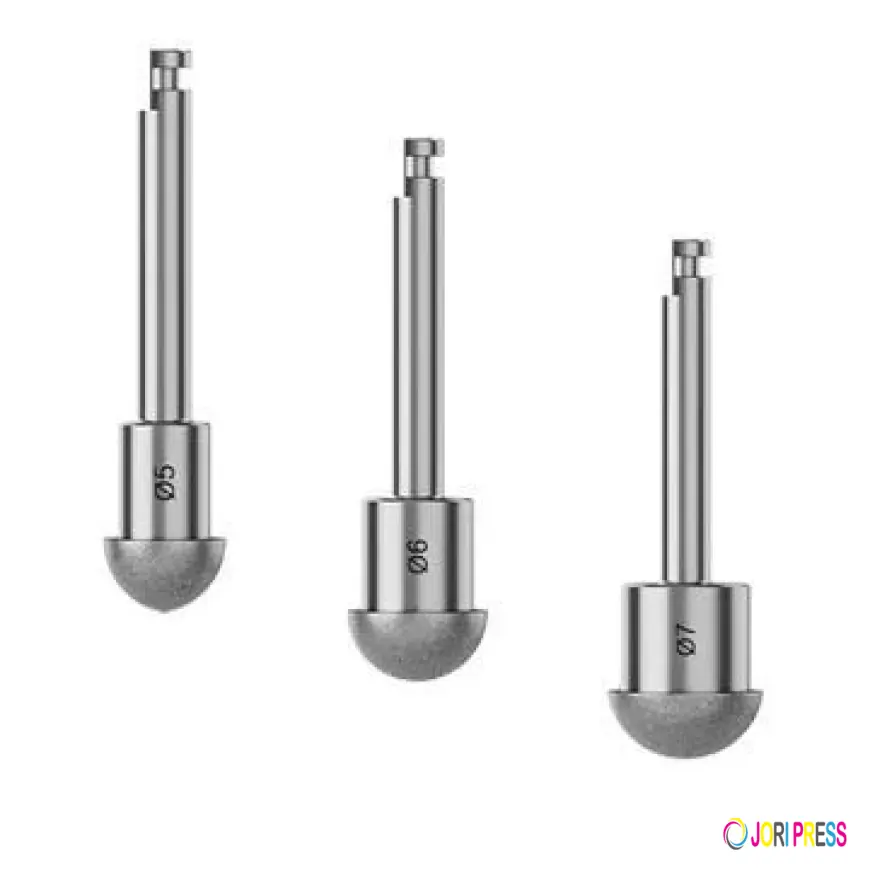
Scallop shaped drills are specialized dental implant drills designed with a curved, scalloped edge that follows the natural contour of bone. They improve precision, reduce trauma, and help create an ideal implant site—especially in areas where bone preservation and esthetics matter most.
Quick Takeaways:
- Designed to match natural bone anatomy
- Improve accuracy during osteotomy
- Reduce heat and tissue damage
- Support better implant stability
- Help achieve faster healing and cleaner results
What Makes Scallop Shaped Drills Different?
Unlike traditional straight drills, scallop shaped drills feature a contoured cutting edge. This design allows the drill to follow the natural curvature of the jawbone rather than cutting aggressively in a straight line.
From a practical standpoint, this means:
- Less unnecessary bone removal
- Better control for the clinician
- More predictable implant positioning
Think of it like carving along a natural line instead of forcing a straight cut—it simply fits better.
How Do Scallop Shaped Drills Improve Dental Implant Procedures?
1. Better Bone Preservation
One of the biggest advantages is bone conservation. The scalloped edges remove only what’s necessary, preserving surrounding bone structure. This is especially important in esthetic zones where every millimeter matters.
2. Reduced Heat Generation
Excess heat during drilling can damage bone cells. These drills are designed to:
- Cut efficiently
- Reduce friction
- Maintain safer temperatures
This leads to a healthier implant site.
3. Improved Precision and Control
The shape naturally guides the drill, allowing dentists to:
- Maintain correct angulation
- Avoid slipping
- Achieve consistent results
For complex cases, this level of control makes a noticeable difference.
4. Faster Healing for Patients
Less trauma = better recovery. Since the surrounding tissue is minimally disturbed, patients often experience:
- Less swelling
- Reduced discomfort
- Faster healing time
When Are Scallop Shaped Drills Most Useful?
These drills are not always necessary for every case, but they are especially helpful in:
- Anterior (front teeth) implants – where appearance is critical
- Thin bone areas – where preservation is key
- Immediate implant placement – right after extraction
- High-precision surgeries – where accuracy is non-negotiable
In these situations, even small improvements in technique can lead to significantly better outcomes.
Scallop Shaped Drills vs Traditional Drills
Here’s a simple comparison to understand the difference:
| Feature |
Scallop Shaped Drills |
Traditional Drills |
| Cutting Style |
Contoured, anatomical |
Straight, uniform |
| Bone Preservation |
High |
Moderate |
| Heat Generation |
Lower |
Higher |
| Precision |
Very high |
Standard |
| Healing Response |
Faster |
Normal |
Step-by-Step: How Dentists Use Scallop Shaped Drills
- Initial Assessment
The dentist evaluates bone structure using imaging (CBCT scans).
- Pilot Drilling
A small pilot drill creates the initial path.
- Scallop Drill Application
The scallop shaped drill refines the osteotomy, following natural bone contours.
- Site Preparation
The implant site is adjusted for ideal depth and width.
- Implant Placement
The implant is placed into the prepared site with improved stability.
This workflow allows for greater precision without over-preparing the bone.
Why Experienced Dentists Prefer Scallop Shaped Drills
From a clinical perspective, these drills offer a level of predictability that standard tools sometimes lack.
Dentists often prefer them because they:
- Reduce the margin of error
- Improve tactile feedback during drilling
- Allow finer adjustments in real-time
In advanced implantology, small details like this can separate an average result from an excellent one.
Are There Any Limitations?
While scallop shaped drills are highly effective, they do require:
- Proper training and familiarity
- Careful handling for best results
They’re not a shortcut tool—they enhance skill, but don’t replace it.
Key Takeaway for Patients and Professionals
Scallop shaped drills are a smart upgrade in modern implant dentistry. They make procedures more precise, less invasive, and more predictable, leading to better outcomes for both dentists and patients.










































 Like
0
Like
0
 Dislike
0
Dislike
0
 Love
0
Love
0
 Funny
0
Funny
0
 Angry
0
Angry
0
 Sad
0
Sad
0
 Wow
0
Wow
0