


































Where to Buy Amazon Liquidation Pallets: A Guide to Trusted Inventory Sources
Whether inventory is intended for online marketplaces, retail stores, export businesses, or refurbishment operations, careful supplier evaluation and organized inventory management remain essential components of a successful liquidation business.

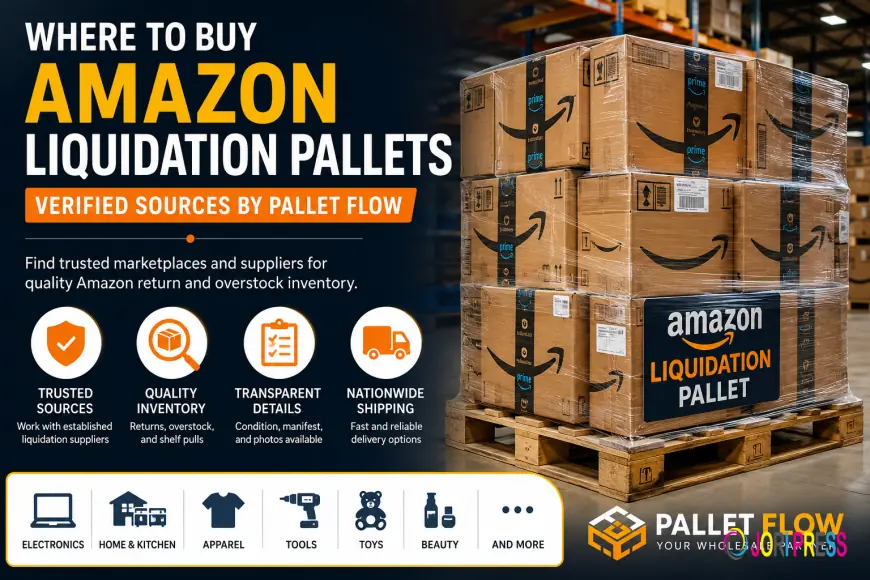
Introduction
Finding a reliable source for Amazon liquidation pallets is one of the most important decisions a reseller can make. While there are many websites advertising wholesale pallets, not every marketplace operates with the same level of transparency. Understanding how liquidation inventory is sold, what information should be available, and how to evaluate suppliers can help buyers reduce risk and make more informed purchasing decisions.
This guide explains where Amazon liquidation pallets are commonly sold, the types of marketplaces available, and the factors to consider before buying wholesale inventory.
Understanding Amazon Liquidation Inventory
Amazon processes large volumes of customer returns, overstock merchandise, shelf pulls, and excess inventory. Rather than returning every item to standard retail shelves, some inventory enters the liquidation market through auction platforms and wholesale liquidation companies.
Depending on the supplier, pallets may contain products from categories such as:
-
Consumer electronics
-
Home appliances
-
Clothing and footwear
-
Kitchen products
-
Tools
-
Toys and games
-
Health and beauty products
-
General merchandise
The exact contents and condition vary from pallet to pallet.
Types of Liquidation Sources
Not every liquidation supplier operates in the same way. Buyers generally encounter three common sourcing methods.
Official Liquidation Auction Platforms
Some retailers work with established liquidation partners that manage business-to-business auctions for returned and excess inventory. These platforms typically require buyer registration and provide detailed lot information before bidding.
Auction platforms are often used by experienced resellers purchasing pallet quantities or full truckloads.
Wholesale Liquidation Marketplaces
Wholesale marketplaces list liquidation inventory from multiple retailers, manufacturers, and distributors. Buyers can compare available lots, product categories, warehouse locations, and condition grades before placing an order.
Many marketplaces offer inventory ranging from individual pallets to larger wholesale shipments.
Direct Liquidation Suppliers
Some companies purchase liquidation inventory directly from major retailers and then resell pallets through their own websites. These businesses often organize inventory by category, condition, or retailer, making it easier for buyers to browse available stock.
What Makes a Supplier Trustworthy?
Before purchasing a liquidation pallet, it is helpful to evaluate the supplier carefully. Reliable sellers typically provide clear information about their inventory and purchasing process.
Look for suppliers that offer:
-
Detailed product descriptions
-
Condition grading information
-
Inventory manifests when available
-
Representative product photographs
-
Transparent shipping policies
-
Clearly stated return policies
-
Business contact information
-
Consistent customer support
Clear documentation helps buyers better understand what they are purchasing before committing to an order.
Understanding Product Conditions
Liquidation inventory is commonly grouped into condition categories. While grading systems differ between suppliers, common classifications include:
-
New
-
Like New
-
Open Box
-
Shelf Pull
-
Customer Return
-
Refurbished
-
Untested
-
Mixed Condition
Reviewing the supplier's grading system helps set realistic expectations regarding the condition of the products received.
Questions to Ask Before Buying
Whether purchasing a single pallet or multiple truckloads, buyers may benefit from asking several important questions:
-
Is an inventory manifest available?
-
What condition grading system is used?
-
Are product photos representative of the actual pallet?
-
What shipping options are available?
-
Are there additional freight charges?
-
Does the supplier explain how inventory is sourced?
-
Are pallets sold by auction or at a fixed price?
Gathering this information can make it easier to compare different suppliers.
Tips for New Resellers
For businesses entering the liquidation market, starting with a smaller purchase can help build experience before investing in larger inventory lots.
Additional best practices include:
-
Research the supplier's reputation.
-
Read all product descriptions carefully.
-
Understand freight delivery requirements.
-
Calculate total costs, including shipping.
-
Inspect inventory promptly after delivery.
-
Maintain organized inventory records.
A structured purchasing process helps reduce surprises and supports better inventory management.
Managing Liquidation Inventory
Once a pallet arrives, many resellers inspect each item, verify included accessories, document product condition, and organize inventory by category or brand. Maintaining accurate records improves warehouse efficiency and simplifies future pricing and stock management.
Proper storage and careful handling also help protect inventory while awaiting refurbishment or resale.
Conclusion
Amazon liquidation pallets can provide access to a wide variety of wholesale inventory, but choosing the right supplier is just as important as selecting the right products. By focusing on transparency, reviewing product documentation, understanding condition grades, and purchasing through established liquidation marketplaces, resellers can make more informed sourcing decisions.
What's Your Reaction?
 Like
0
Like
0
 Dislike
0
Dislike
0
 Love
0
Love
0
 Funny
0
Funny
0
 Angry
0
Angry
0
 Sad
0
Sad
0
 Wow
0
Wow
0