











































Ipamorelin Peptide: Understanding Its Role in Scientific Research

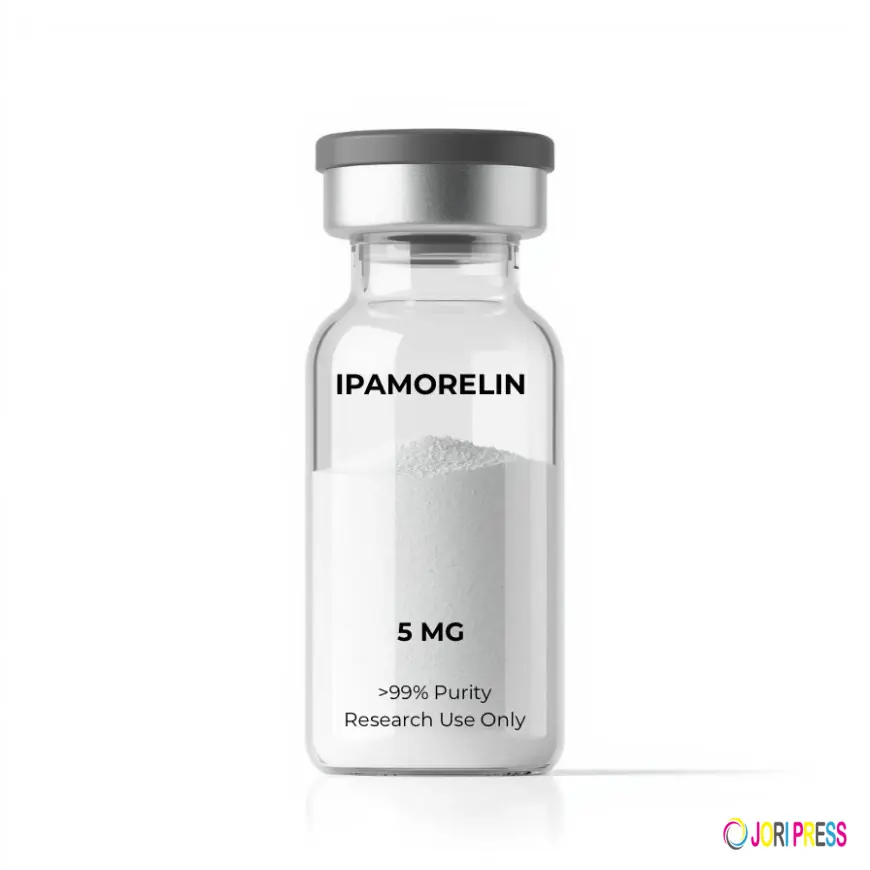
The Ipamorelin Peptide is a synthetic peptide that has attracted interest in laboratory research because of its interaction with growth hormone-related pathways. Researchers study its molecular characteristics, receptor activity, stability, and other properties to better understand peptide signaling. When working with research peptides, careful attention to identity, purity, analytical testing, storage, and appropriate laboratory use is essential.
What Is Ipamorelin Peptide?
Ipamorelin is a synthetic pentapeptide that has been investigated in scientific research for its activity at the growth hormone secretagogue receptor. Its structure and molecular characteristics make it a subject of interest in peptide and endocrine research.
Research involving Ipamorelin may focus on understanding receptor interactions, signaling mechanisms, peptide stability, and related biological processes. The specific purpose of an experiment determines which characteristics researchers need to evaluate.
Why Researchers Study Ipamorelin
Peptide signaling is a complex area of biological research. Scientists investigate compounds such as Ipamorelin to understand how specific molecules interact with receptors and influence downstream signaling pathways.
Research can examine the relationship between peptide structure and biological activity, helping researchers better understand how synthetic peptides behave under controlled laboratory conditions. These investigations can contribute to broader knowledge of peptide pharmacology and receptor biology.
Understanding Its Molecular Characteristics
The molecular structure of a peptide is central to its identity and behavior. Researchers working with Ipamorelin may need information such as molecular weight, sequence, formulation, and concentration.
Accurate specifications help laboratories distinguish the intended material from other peptide compounds. They can also support experimental planning, material documentation, and comparison between different research batches.
Importance of Peptide Purity
Purity is an important consideration when evaluating any research peptide. Unwanted by-products or impurities can introduce variables into laboratory experiments and potentially affect analytical results.
Researchers may review analytical methods such as high-performance liquid chromatography, commonly called HPLC, when assessing reported purity. The testing method and associated documentation should be considered alongside the stated purity percentage rather than relying on a single figure.
Confirming Peptide Identity
Identity testing helps establish whether the material corresponds to the compound described by the supplier. Mass spectrometry is one analytical technique that can provide information about molecular mass and support peptide identification.
Batch-specific documentation can be particularly useful because it connects analytical results to the material actually supplied. Researchers can retain this information as part of their laboratory records.
Storage and Stability
Like other peptide materials, Ipamorelin may require appropriate storage conditions to help maintain its characteristics. Stability can depend on factors including formulation, temperature, moisture, light, and handling practices.
Researchers should follow the storage instructions provided for the specific material and establish appropriate laboratory procedures. Consistent storage practices can help reduce unnecessary variation between experiments.
Certificates of Analysis
A Certificate of Analysis, or COA, can provide useful information about a specific research peptide batch. Depending on the supplier, a COA may include details about purity, identity testing, batch number, appearance, and other specifications.
Researchers should verify that the documentation corresponds to the batch they receive. Maintaining these records can support traceability and make it easier to review materials used during an experiment.
Choosing an Ipamorelin Research Supplier
When sourcing Ipamorelin for laboratory research, researchers may evaluate suppliers based on documentation, product specifications, testing information, packaging, storage guidance, and communication.
A supplier that provides clear batch information and relevant analytical documentation gives researchers more information to evaluate the material. Price alone may not provide enough information to determine whether a research peptide is appropriate for a particular experiment.
Research Applications
Ipamorelin can be studied in controlled laboratory research involving peptide signaling and growth hormone-related pathways. Researchers may investigate receptor interactions, molecular characteristics, pharmacological properties, or other scientific questions.
The appropriate experimental use depends on the research objectives, model, and established laboratory protocols. Researchers should determine suitable controls and analytical methods before beginning an investigation.
Responsible Laboratory Use
Research-grade Ipamorelin should be handled according to appropriate laboratory safety procedures and applicable institutional or regulatory requirements. A material being described as research grade does not automatically mean that it is approved for human or veterinary use.
Researchers should distinguish laboratory investigation from therapeutic application and ensure that their work follows relevant professional and institutional standards.
Supporting Reproducible Research
Good documentation can improve the reproducibility of peptide research. Laboratories can record the peptide name, batch number, formulation, analytical documentation, storage conditions, preparation details, and experimental parameters.
These records allow researchers to identify which material was used in a particular experiment and can help when comparing results from different batches or repeating studies.
Conclusion
The Ipamorelin Peptide is a synthetic compound studied in scientific research involving peptide signaling and growth hormone-related pathways. Researchers evaluating this material should consider its molecular identity, purity, analytical testing, batch documentation, storage requirements, and intended laboratory application. Careful sourcing and detailed recordkeeping can help support consistent, transparent, and well-documented research.
What's Your Reaction?
 Like
0
Like
0
 Dislike
0
Dislike
0
 Love
0
Love
0
 Funny
0
Funny
0
 Angry
0
Angry
0
 Sad
0
Sad
0
 Wow
0
Wow
0