







































Hysteroscopy Specialist Zirakpur: Understanding the Procedure and Its Benefits

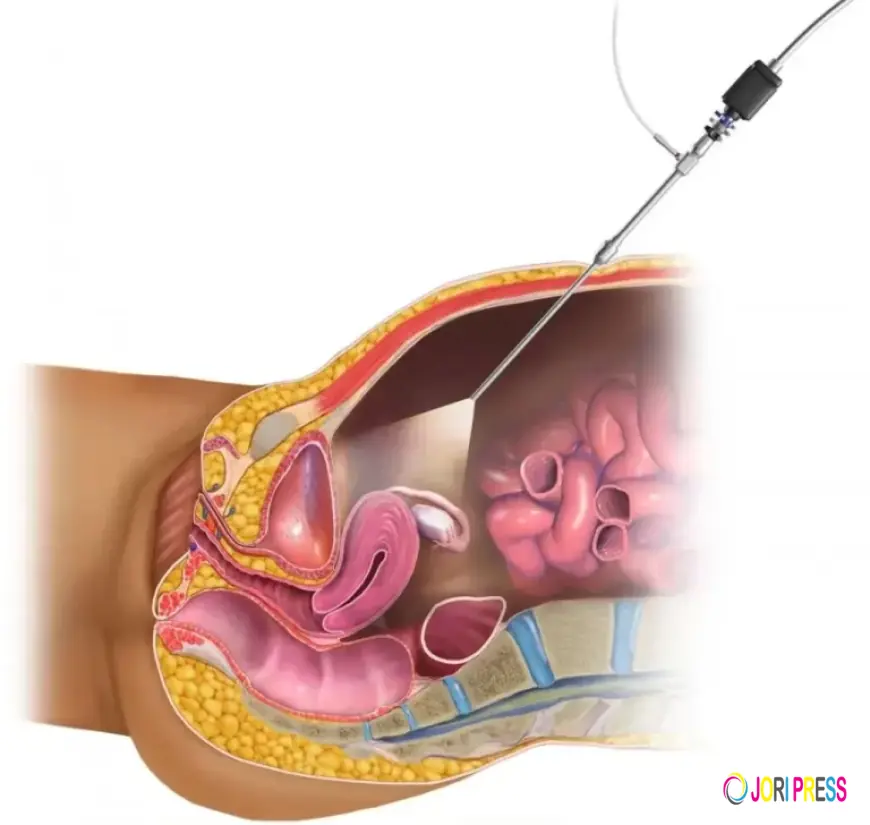
Women may experience a range of reproductive and uterine concerns that require detailed evaluation. In some situations, standard examinations or imaging may not provide enough information about the inside of the uterus. Hysteroscopy Specialist Zirakpur services can provide specialized assessment using hysteroscopy, a minimally invasive procedure that allows a healthcare professional to view the inside of the uterus directly.
Understanding how hysteroscopy works, why it may be recommended, and what patients can expect can help women have more informed conversations with their gynecologist.
What Is Hysteroscopy?
Hysteroscopy is a procedure that uses a thin, lighted instrument called a hysteroscope to examine the inside of the uterus. The instrument is introduced through the vagina and cervix, allowing the healthcare professional to view the uterine cavity.
Because the procedure provides a direct view, it can help identify certain abnormalities that may not be fully evaluated through other diagnostic methods.
Depending on the circumstances, hysteroscopy may be performed for diagnostic purposes or as part of a treatment procedure.
Why Might Hysteroscopy Be Recommended?
A gynecologist may recommend hysteroscopy when a patient has symptoms or findings that require further evaluation. Possible reasons can include abnormal uterine bleeding, suspected polyps, fibroids affecting the uterine cavity, or concerns identified during other examinations.
Hysteroscopy may also be considered when investigating certain fertility-related concerns.
The suitability of the procedure depends on the patient's symptoms, medical history, examination findings, and other diagnostic information.
Diagnostic Hysteroscopy
Diagnostic hysteroscopy focuses primarily on examining the uterine cavity. The healthcare professional can observe the uterine lining and look for structural abnormalities.
If an unusual area is identified, further assessment may sometimes be recommended. In selected situations, tissue may be collected for laboratory examination.
The exact diagnostic approach depends on the reason for the procedure and the patient's individual circumstances.
Operative Hysteroscopy
Hysteroscopy can sometimes be used not only to diagnose a condition but also to treat certain problems during the same procedure. This is known as operative hysteroscopy.
Depending on the clinical situation, specialized instruments can be introduced through the hysteroscope to address certain abnormalities inside the uterus.
Examples may include removing some polyps or treating selected conditions affecting the uterine cavity. The specific procedure depends on the diagnosis and the patient's needs.
Hysteroscopy and Abnormal Uterine Bleeding
Abnormal uterine bleeding can have many possible causes. When initial investigations do not provide a complete explanation, hysteroscopy may be considered to examine the uterine cavity directly.
The procedure can help a gynecologist identify structural abnormalities that may contribute to unusual bleeding.
However, hysteroscopy is not appropriate for every case of abnormal bleeding. A healthcare professional determines whether it is suitable after considering the patient's symptoms and other test results.
Hysteroscopy in Fertility Evaluation
The condition of the uterine cavity can be relevant to fertility. Certain structural abnormalities may affect reproductive health, and hysteroscopy can provide a direct view of the cavity when such concerns are suspected.
Depending on the individual situation, a fertility specialist or gynecologist may recommend hysteroscopy as part of a broader fertility evaluation.
It is important to remember that fertility problems can have many causes, and hysteroscopy addresses only certain uterine factors.
How the Procedure Is Performed
During hysteroscopy, the patient is positioned appropriately while the healthcare professional carefully introduces the hysteroscope through the natural reproductive passage.
A suitable fluid may be used to gently expand the uterine cavity, allowing the healthcare professional to see the internal structures more clearly.
The duration and type of anesthesia or pain management depend on the procedure, the patient's circumstances, and whether the hysteroscopy is diagnostic or operative.
Preparing for Hysteroscopy
Preparation depends on the type of hysteroscopy and the patient's medical circumstances. The healthcare team may provide instructions regarding medications, eating and drinking, and the timing of the procedure.
Patients should inform their healthcare provider about existing medical conditions, medications, allergies, and any possibility of pregnancy.
Following the clinic's pre-procedure instructions carefully can help the process run smoothly.
Recovery After Hysteroscopy
Recovery varies depending on whether the procedure was diagnostic or operative. Some patients may experience mild cramping or light vaginal bleeding afterward.
The healthcare team will provide specific instructions regarding activity, medications, hygiene, and follow-up.
Patients should contact their healthcare provider if they experience severe pain, heavy bleeding, fever, unusual discharge, or other concerning symptoms following the procedure.
Potential Benefits of Hysteroscopy
One major benefit of hysteroscopy is that it provides direct visualization of the uterine cavity. This can help healthcare professionals investigate certain abnormalities more precisely.
When treatment is appropriate, operative hysteroscopy may allow selected problems to be addressed during the same procedure.
Because hysteroscopy is minimally invasive compared with some traditional surgical approaches, recovery may be relatively straightforward for many patients. However, individual experiences vary.
Understanding Possible Risks
Although hysteroscopy is commonly used in gynecological care, it is still a medical procedure and can involve risks. Possible complications may include infection, bleeding, injury to the uterus or cervix, or reactions related to anesthesia.
The level of risk depends on the procedure and the patient's individual circumstances. A healthcare professional should explain the relevant risks and benefits before treatment.
Choosing a Hysteroscopy Specialist Zirakpur
Women searching for a Hysteroscopy Specialist Zirakpur can consider the specialist's qualifications, experience with hysteroscopic procedures, available diagnostic facilities, anesthesia support, and follow-up arrangements.
It is also important to choose a healthcare environment where patients can ask questions and receive clear explanations about the procedure.
During a consultation, patients can discuss why hysteroscopy has been recommended, whether alternatives are available, how the procedure will be performed, and what recovery may involve.
Conclusion
A Hysteroscopy Specialist Zirakpur can provide specialized evaluation for women who may require detailed examination of the uterine cavity. Hysteroscopy allows a healthcare professional to directly view the uterus and, in selected circumstances, diagnose or treat certain abnormalities during the procedure.
The decision to undergo hysteroscopy should be based on an individual's symptoms, medical history, diagnostic findings, and professional medical advice. Women considering the procedure should discuss the expected benefits, possible risks, alternatives, preparation, and recovery with a qualified gynecologist before making a treatment decision.
What's Your Reaction?
 Like
0
Like
0
 Dislike
0
Dislike
0
 Love
0
Love
0
 Funny
0
Funny
0
 Angry
0
Angry
0
 Sad
0
Sad
0
 Wow
0
Wow
0