







































How to Treat a Worm Infection Safely
how to treat a worm infection safely with proven treatment options, proper hygiene practices, and prevention tips. Discover common symptoms, causes, medications, and when to seek medical advice for effective parasite management.
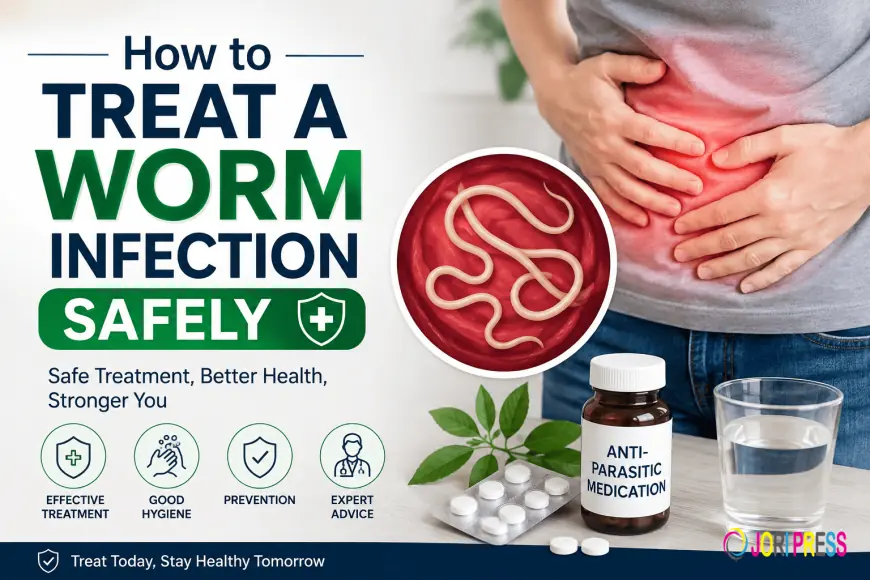
Worm infections are a common health concern in pets and other animals, especially young puppies and dogs that spend time outdoors. Intestinal parasites can affect digestion, growth, energy levels, and overall health if left untreated. Fortunately, with proper veterinary care, hygiene practices, and appropriate deworming medications such as Fenbendazole Tablet, many worm infections can be treated safely and effectively. Understanding the causes, symptoms, treatment options, and preventive measures is essential for every responsible pet owner.
Understanding Worm Infections
A worm infection occurs when parasitic worms live and multiply inside an animal's digestive system. These parasites feed on nutrients from the host, which may lead to nutritional deficiencies and other health complications.
Common intestinal worms include:
- Roundworms
- Hookworms
- Whipworms
- Certain tapeworms
Puppies are particularly vulnerable because their immune systems are still developing, and some parasites can even be transmitted from the mother before or shortly after birth.
Common Symptoms of Worm Infections
Recognizing the signs early can help ensure prompt treatment and reduce the risk of complications.
Symptoms may include:
- Diarrhea
- Vomiting
- Weight loss
- Swollen or bloated abdomen
- Dull coat
- Poor appetite
- Low energy
- Visible worms in stool or around the anal area
Some animals may carry parasites without obvious symptoms, making routine veterinary examinations especially important.
How Worm Infections Spread
Understanding how parasites spread is an important part of prevention.
Animals may become infected through:
- Contact with contaminated soil
- Ingesting parasite eggs
- Exposure to infected feces
- Flea infestations
- Drinking contaminated water
- Hunting or scavenging infected animals
Maintaining a clean environment and following preventive care recommendations can greatly reduce the risk of infection.
Why Prompt Treatment Matters
Untreated worm infections may lead to serious health problems, including:
- Malnutrition
- Dehydration
- Anemia
- Poor growth in puppies
- Reduced immune function
- Digestive disorders
Early treatment helps eliminate parasites before they cause severe damage and supports faster recovery.
Veterinary Diagnosis Comes First
Although some symptoms strongly suggest intestinal worms, they can resemble those caused by other digestive illnesses.
A veterinarian may recommend:
- Physical examination
- Stool (fecal) testing
- Parasite identification
- Follow-up testing after treatment
Accurate diagnosis ensures that the most appropriate treatment is selected for the specific type of parasite present.
Safe Treatment Options
Treatment depends on several factors, including:
- The type of parasite
- The animal's age
- Body weight
- Overall health
- Severity of the infection
Veterinarians commonly prescribe deworming medications that target susceptible intestinal parasites. The exact medication and treatment schedule should always follow professional guidance.
When prescribed appropriately, products such as Fenbendazole are commonly used in veterinary medicine to treat certain intestinal worm infections in dogs and other animals. It is important to administer the correct dose and complete the entire treatment course, even if symptoms improve early.
Tips for Administering Deworming Medication Safely
Proper administration helps ensure treatment is both safe and effective.
Follow these recommendations:
- Weigh your pet accurately before giving medication.
- Follow the veterinarian's dosage instructions carefully.
- Never skip doses unless instructed.
- Complete the full treatment schedule.
- Keep medications out of reach of children and other animals.
- Store medicines according to the manufacturer's recommendations.
Never increase or decrease the dosage without veterinary advice.
Supporting Recovery After Treatment
Treatment removes parasites, but recovery also depends on good supportive care.
Help your pet recover by providing:
- Fresh, clean drinking water
- A balanced, nutritious diet
- A quiet environment for rest
- Regular monitoring of appetite and activity
Good nutrition helps restore energy, supports immune function, and promotes healthy digestion.
Preventing Reinfection
Successful treatment should always be followed by preventive measures to reduce the chance of future infections.
Helpful prevention strategies include:
Maintain Good Hygiene
- Remove pet waste promptly.
- Wash food and water bowls daily.
- Clean bedding regularly.
- Disinfect kennels and living areas when appropriate.
Practice Routine Deworming
Follow your veterinarian's recommended parasite prevention schedule based on your pet's age, lifestyle, and local parasite risks.
Control Fleas
Since certain tapeworms rely on fleas as part of their life cycle, year-round flea control is an important part of parasite prevention.
Prevent Exposure
Avoid allowing pets to eat dead animals, garbage, or unknown materials outdoors, as these may contain parasite eggs or larvae.
The Importance of Regular Veterinary Checkups
Routine veterinary visits help detect parasite infections before they become severe.
Regular wellness examinations may include:
- Physical assessments
- Weight monitoring
- Stool examinations
- Preventive care recommendations
Early detection allows treatment to begin before serious health complications develop.
Common Mistakes to Avoid
Many pet owners unintentionally reduce treatment effectiveness by making avoidable mistakes, including:
- Guessing the dosage instead of weighing the pet
- Stopping treatment too early
- Ignoring follow-up examinations
- Using medications without veterinary guidance
- Failing to maintain proper hygiene after treatment
Avoiding these mistakes improves treatment success and reduces the likelihood of reinfection.
A Comprehensive Approach to Parasite Control
Treating worm infections safely involves more than simply administering medication. The best outcomes come from combining:
- Veterinary diagnosis
- Appropriate deworming treatment
- Good nutrition
- Proper hygiene
- Routine preventive care
- Regular health monitoring
Together, these measures help protect animals from future infections while supporting long-term health and well-being.
Final Thoughts
Worm infections are common but highly manageable when identified early and treated responsibly. Recognizing symptoms, obtaining an accurate veterinary diagnosis, following prescribed treatment, and maintaining excellent hygiene are all essential steps in safe parasite control. When recommended by a veterinarian, medications such as Fenbendazole Tablet can play an important role in treating susceptible intestinal worm infections. Combined with preventive care and regular veterinary checkups, these measures help keep pets healthy, active, and protected from future parasite problems.
What's Your Reaction?
 Like
0
Like
0
 Dislike
0
Dislike
0
 Love
0
Love
0
 Funny
0
Funny
0
 Angry
0
Angry
0
 Sad
0
Sad
0
 Wow
0
Wow
0