









































5.9 Cummins Injectors: What Diesel Truck Owners Should Know

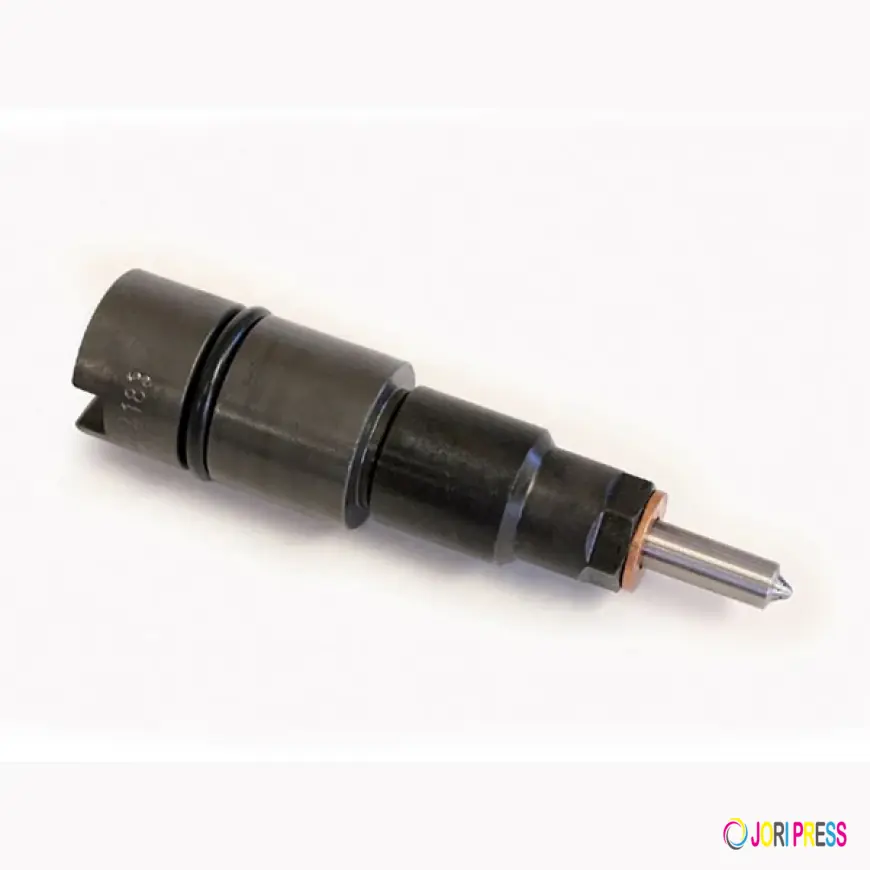
A diesel engine can run for many miles when its fuel system is properly maintained, but components exposed to constant pressure, heat, and fuel flow will eventually experience wear. Injectors are particularly important because they control how fuel enters the engine and directly influence combustion, starting, idle quality, and overall drivability.
For owners of older Dodge trucks, understanding the condition of 5.9 Cummins injectors can make routine maintenance and troubleshooting much easier. The 5.9L Cummins was offered with different injection systems over its production years, so identifying the exact engine configuration is an important first step when inspecting or replacing injectors.
Why Are Injectors So Important?
Fuel injectors have a straightforward but demanding job. They must deliver the right amount of diesel fuel into the combustion chamber at the right time and with the proper spray pattern.
When an injector is functioning correctly, the engine can maintain consistent combustion across its cylinders. As an injector wears, however, its performance may change. Fuel delivery can become inconsistent, and the engine may start to show noticeable changes in how it starts or runs.
Common signs of injector-related problems include:
- Rough or uneven idle
- Hard starting
- Increased smoke
- Poor acceleration
- Reduced fuel economy
- Engine hesitation
- Loss of power
- Uneven combustion
These symptoms can also result from other fuel-system or engine problems, so replacing injectors based only on symptoms is not always the best approach.
Different 5.9L Cummins Systems Matter
One reason parts selection can be confusing is that the 5.9L Cummins used different fuel injection configurations over the years.
Earlier 12-valve engines used a mechanical injection system, while later 24-valve engines introduced electronic controls and different injection components. The fuel system on a 1990s truck should therefore not automatically be treated as identical to that of a later 5.9L Cummins.
What Can Cause Injector Problems?
Injector wear is not always caused by one specific issue. Diesel fuel quality, contamination, mileage, operating conditions, and normal internal wear can all contribute over time.
Fuel contamination is particularly concerning because dirt or water can affect precision components within the injection system. A restricted fuel filter can also strain fuel delivery.
Regular maintenance can reduce the likelihood of avoidable fuel-system problems. Using clean fuel, changing filters on schedule, and addressing unusual engine behavior early are practical steps for older diesel trucks.
How Do Worn Injectors Affect Engine Performance?
The effect of a worn injector depends on the type and severity of the problem. A minor issue may initially appear as a slightly rougher idle or reduced throttle response. As the condition develops, starting and acceleration problems may become more obvious.
A truck that once started quickly may require longer cranking. Engine response may feel less consistent, especially when accelerating or carrying a load. Excessive smoke can also indicate that combustion is not occurring as efficiently as it should. However, view these signs as clues, not definitive proof of injector failure.
Don't Blame the Injectors Immediately
Fuel-system symptoms can overlap considerably. A truck with poor performance could have a fuel supply, injection pump, filter, electrical system, or other engine component issue.
For example, the 5.9L Cummins product range includes components such as injection pumps, fuel pressure sensors, fuel rails, and injector feed tubes in addition to injectors. A proper diagnosis can help determine whether the injector is truly at fault or whether another component needs attention.
Choosing the Right Replacement
Once you confirm an injector is faulty, the replacement must match the engine's exact configuration. Model year alone may not provide enough information.
Before purchasing Cummins replacement parts, check:
- Engine model and configuration
- Truck model year
- Injector type
- Existing part number
- Fuel-system design
- Whether the injector is new or remanufactured
This information is especially important for older Cummins engines, where different injection systems were used across relatively close model years.
What Are Cummins Diesel Parts?
The term Cummins diesel parts covers a broad range of components used throughout the engine and fuel system. Injectors are only one part of the picture.
Depending on the application, maintenance or repair may involve fuel pumps, injection pumps, pressure sensors, fuel rails, feed tubes, glow plugs, gaskets, and other engine components.
The correct part depends on what has actually failed. Replacing several components at once without identifying the source of the problem can increase repair costs without necessarily improving performance.
Remanufactured Injectors as an Option
Remanufactured injectors can provide an alternative to purchasing brand-new components. A remanufactured part has previously been used but is processed for reuse as a replacement component.
This option can be especially relevant when maintaining an older diesel truck and looking for practical replacement solutions. However, buyers should still verify application, condition, warranty information, and any applicable core requirements before ordering.
Never choose a remanufactured injector solely because it is cheaper. Fitment and product quality remain important considerations.
When Should Injectors Be Inspected?
You don't need to wait until a truck becomes difficult to drive to investigate possible injector problems. Changes in starting behavior, idle quality, smoke, or throttle response can justify an inspection.
Early diagnosis can also help prevent owners from replacing unrelated components. If the injectors test and are found to be operating correctly, attention can then shift to other areas of the fuel or engine system.
For trucks used regularly for towing or heavy work, watching for gradual performance changes is especially worthwhile.
Getting the Right Parts for an Older Cummins
Older diesel trucks can remain dependable for years with proper fuel and engine maintenance. The key is using components that match the specific application rather than assuming every 5.9L Cummins uses the same parts. When searching for Cummins replacement parts, owners should compare model-year information, engine configuration, part numbers, and product specifications before purchasing. Apply the same care to injectors, fuel pumps, injection pumps, and supporting components.
For diesel owners looking for application-specific fuel-system and engine components, Mississippi Diesel Products carries parts for Cummins applications, as well as products for Ford Powerstroke and Chevrolet Duramax platforms. A careful approach to diagnosis and parts selection can help maintain the performance that makes the 5.9L Cummins such a durable diesel platform.
What's Your Reaction?
 Like
0
Like
0
 Dislike
0
Dislike
0
 Love
0
Love
0
 Funny
0
Funny
0
 Angry
0
Angry
0
 Sad
0
Sad
0
 Wow
0
Wow
0