





































10 Things to Know Before Buying a Boat Grill
A boat grill can turn an ordinary day on the water into a memorable experience.
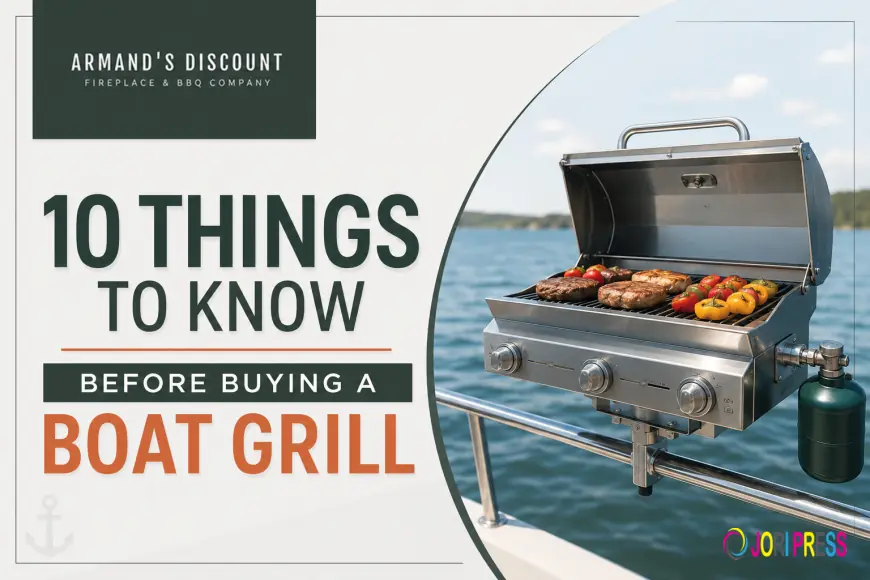
A boat grill can turn an ordinary day on the water into a memorable experience. Whether you're spending a weekend fishing, enjoying a family cruise, or hosting friends on your yacht, having the ability to prepare fresh meals onboard adds comfort, convenience, and enjoyment to every trip. However, buying a boat grill is not the same as purchasing a traditional backyard barbecue. Marine environments present unique challenges, including saltwater exposure, limited space, changing weather conditions, and safety considerations.
Before investing in a marine grill, it's important to understand what features and factors will help you choose the right model for your vessel. Here are 10 essential things to know before buying a boat grill.
1. Choose a Grill Specifically Designed for Marine Use
One of the biggest mistakes boat owners make is purchasing a standard outdoor grill and attempting to use it on a boat. Traditional grills are not designed to withstand the harsh conditions found in marine environments.
Marine grills are engineered to resist corrosion, handle constant exposure to moisture, and perform reliably despite changing weather conditions. They are typically built using marine-grade materials and include mounting systems specifically designed for boats.
Investing in a grill made for marine use ensures greater durability, improved safety, and better overall performance while you're on the water.
2. Look for High-Quality Stainless Steel Construction
Saltwater is one of the most corrosive environments for metal equipment. Even freshwater boating can expose your grill to moisture and humidity that can lead to rust over time.
When shopping for a boat grill, pay close attention to the materials used in its construction. Marine-grade stainless steel is generally considered the best choice because it offers excellent resistance to rust and corrosion.
A quality stainless steel grill can maintain its appearance and functionality for years with proper care. While it may cost more initially, the long-term durability often makes it a worthwhile investment.
3. Consider Your Boat's Available Space
Space is always at a premium on boats. Unlike backyard patios, vessels have limited room for additional equipment.
Before purchasing a grill, carefully measure the intended installation area. Consider factors such as:
-
Deck space availability
-
Passenger movement around the grill
-
Storage requirements
-
Clearance from seating areas
-
Accessibility while cooking
A compact grill may be ideal for smaller fishing boats or center consoles, while larger yachts may accommodate more substantial cooking systems. Selecting the right size helps maximize both safety and convenience.
4. Understand Different Mounting Options
Boat grills are available with several mounting configurations. Choosing the correct mounting solution is just as important as selecting the grill itself.
Common mounting options include:
Rail Mounts
These attach directly to boat railings and are popular because they save deck space while providing a secure installation.
Rod Holder Mounts
Many anglers prefer rod holder mounts because they allow the grill to be easily installed and removed as needed.
Pedestal Mounts
Pedestal systems provide a stable cooking platform and are commonly found on larger boats and yachts.
Portable Mounts
Portable models offer flexibility and can be moved or stored when not in use.
The best mounting system depends on your boat's design, available space, and intended use.
5. Choose the Right Fuel Source
Most marine grills operate using propane, but there are several fuel options available on the market.
Propane Grills
Propane remains the most popular choice because it:
-
Heats quickly
-
Burns cleanly
-
Provides consistent temperatures
-
Is widely available
Electric Grills
Electric grills can be convenient for boats equipped with shore power or generators. They eliminate fuel storage concerns but may require significant electrical capacity.
Charcoal Grills
Although some boaters enjoy charcoal grilling for its flavor, these grills require extra caution due to fire risks and ash disposal challenges.
For most boat owners, propane grills provide the best balance of performance, convenience, and practicality.
6. Prioritize Safety Features
Safety should always be the top consideration when cooking onboard a vessel. Open flames, fuel storage, and moving water create unique risks that don't exist in a traditional backyard setting.
Look for boat grills that include:
-
Secure locking lids
-
Heat-resistant handles
-
Reliable ignition systems
-
Stable mounting hardware
-
Controlled grease management systems
-
Flame control features
Additionally, always follow safe fuel storage practices and keep a marine-rated fire extinguisher nearby whenever cooking onboard.
A grill with strong safety features can help protect both passengers and your vessel.
7. Evaluate Cooking Capacity
The size of the cooking surface directly impacts how useful your grill will be during boating trips.
Ask yourself:
-
How many people do you typically cook for?
-
Do you entertain guests frequently?
-
Will you be preparing full meals or simple snacks?
A small grill may be sufficient for couples or solo boaters, while larger families and social gatherings may require a grill with greater cooking capacity.
Choosing a grill that matches your typical usage helps avoid frustration and improves your overall cooking experience.
8. Consider Cleaning and Maintenance Requirements
Marine environments demand regular maintenance. Salt residue, grease buildup, and exposure to the elements can quickly affect grill performance if not properly managed.
When comparing boat grills, look for features that simplify cleaning, such as:
-
Removable grease trays
-
Easy-access burners
-
Dishwasher-safe grates
-
Smooth stainless steel surfaces
-
Quick-disassembly components
A grill that is easy to clean encourages regular maintenance and helps extend the lifespan of the equipment.
Routine cleaning after each trip can significantly improve long-term reliability and appearance.
9. Think About Wind and Weather Conditions
Cooking on open water presents challenges that land-based grilling does not. Wind can affect flame stability, cooking temperatures, and fuel efficiency.
Many high-quality marine grills are specifically designed to address these challenges through:
-
Wind-resistant burner designs
-
Protective lids
-
Heat-retention systems
-
Enclosed cooking chambers
If you frequently boat in coastal or offshore areas where wind conditions are stronger, investing in a grill designed to handle these conditions can make a significant difference in cooking performance.
Reliable temperature control helps ensure evenly cooked meals regardless of weather conditions.
10. Focus on Long-Term Value Rather Than Price Alone
While budget is always a consideration, choosing the least expensive option may not provide the best value in the long run.
A high-quality boat grill often offers:
-
Better materials
-
Improved durability
-
Greater cooking efficiency
-
Enhanced safety features
-
Longer service life
-
Lower maintenance costs
A premium grill may cost more upfront, but it can save money over time by reducing repairs, replacements, and maintenance expenses.
When evaluating options, consider the total ownership value rather than focusing solely on the purchase price.
Additional Accessories Worth Considering
In addition to the grill itself, several accessories can improve your onboard cooking experience:
-
Grill covers for weather protection
-
Mounting adapters
-
Propane storage systems
-
Cooking utensil sets
-
Replacement grates
-
Temperature gauges
-
Cleaning brushes
-
Protective carrying cases
These accessories can help extend the life of your grill while making cooking more convenient and enjoyable.
Final Thoughts
A boat grill is more than just a cooking appliance—it's an investment in your boating lifestyle. The ability to prepare fresh meals while enjoying time on the water adds a new level of comfort and enjoyment to every outing. However, choosing the right grill requires careful consideration of factors such as materials, mounting options, fuel type, safety features, cooking capacity, and maintenance requirements.
By understanding these ten important considerations before making a purchase, you'll be better equipped to select a boat grill that fits your vessel, meets your cooking needs, and withstands the demands of marine environments. Whether you're grilling freshly caught fish after a successful day of fishing or preparing a meal for family and friends during a relaxing cruise, the right boat grill can help create unforgettable experiences on the water for years to come. For premium boat grills and expert guidance, Armand's Discount Fireplace & BBQ Company offers trusted grilling solutions designed to enhance every adventure on the water.
What's Your Reaction?
 Like
0
Like
0
 Dislike
0
Dislike
0
 Love
0
Love
0
 Funny
0
Funny
0
 Angry
0
Angry
0
 Sad
0
Sad
0
 Wow
0
Wow
0