







































Why Oral Cancer Screenings Are an Important Part of Preventive Dentistry
Looking for a Leduc dentist, AB? Alpha Dental Health Centre offers a full range of dental services for all ages in a caring environment. Book your appointment today!


Oral health examinations are important for more than checking cavities and gum conditions. They can also help identify unusual changes in the mouth that may require further investigation. Oral cancer can affect the lips, tongue, cheeks, gums, floor of the mouth, and other areas of the oral cavity. Recognizing suspicious changes early is an important part of protecting long-term health.
Visiting a dentist in Leduc for regular dental examinations gives patients an opportunity to discuss concerns and receive an appropriate assessment of their oral tissues.
Understanding Oral Cancer
Oral cancer develops when abnormal cells grow uncontrollably in tissues of the mouth or surrounding areas. It can affect different parts of the oral cavity and may not always cause noticeable discomfort during its early stages.
Some people assume that oral cancer only affects individuals who smoke or consume alcohol. However, it can occur in people without these risk factors as well. Human papillomavirus, age, tobacco exposure, alcohol consumption, and other factors may influence risk.
Understanding potential warning signs helps people recognize when a professional evaluation may be necessary.
Warning Signs That Should Not Be Ignored
Changes inside the mouth can have many causes, and most unusual spots or sores are not cancerous. However, persistent changes should be examined rather than ignored.
Possible warning signs include:
A sore in the mouth that does not heal.
Red or white patches on the tongue or oral tissues.
A lump or thickened area inside the mouth.
Persistent difficulty swallowing.
Unexplained numbness in the mouth or lips.
Changes in the way teeth fit together.
Persistent hoarseness or throat discomfort.
If any of these symptoms continue, patients should arrange a professional assessment. Severe or persistent symptoms may also require referral to a physician or specialist.
People searching for a dentist near you can ask about including an oral tissue examination during their regular dental visits.
What Happens During an Oral Cancer Screening?
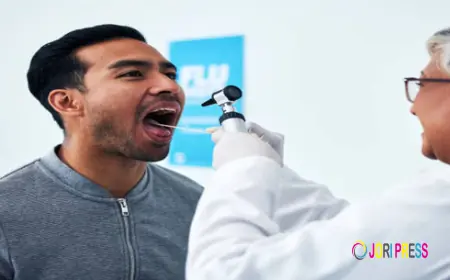
An oral cancer screening is generally a visual and physical examination of the mouth and nearby tissues. The dental professional examines areas such as the tongue, inner cheeks, lips, gums, and roof and floor of the mouth.
They may gently feel certain tissues to check for unusual lumps, swelling, or changes. If something appears suspicious, additional diagnostic testing or referral to an appropriate specialist may be recommended.
A screening does not confirm whether someone has cancer. A biopsy or other diagnostic investigation may be needed to establish a diagnosis.
Who Should Consider Regular Screenings?
Adults should discuss oral cancer screening as part of their routine dental care. Screening is especially important for individuals with known risk factors, including tobacco use, frequent alcohol consumption, previous oral cancer, or certain HPV-related concerns.
However, people without these risk factors should not assume they are completely protected. Regular examinations can help identify changes that might otherwise go unnoticed.
Supporting Oral Health Through Prevention
Avoiding tobacco products, limiting alcohol consumption, protecting lips from excessive sun exposure, and maintaining regular healthcare appointments are useful steps toward reducing certain risks.
Patients should also become familiar with the normal appearance of their mouths. This makes it easier to notice unusual changes and seek advice when necessary.
Scheduling Oral Cancer Screenings near you can be a valuable part of a preventive dental care routine.
Early evaluation does not guarantee a particular outcome, but identifying suspicious changes promptly can support timely diagnosis and appropriate treatment. Paying attention to oral health today can help patients make informed decisions about their long-term well-being.
What's Your Reaction?
 Like
0
 Dislike
0
 Love
0
 Funny
0
 Angry
0
 Sad
0
 Wow
0