






































Why Endmills Break During CNC Machining
Learn why endmills break during CNC machining and discover practical solutions to improve tool life, cutting performance, and machining accuracy.
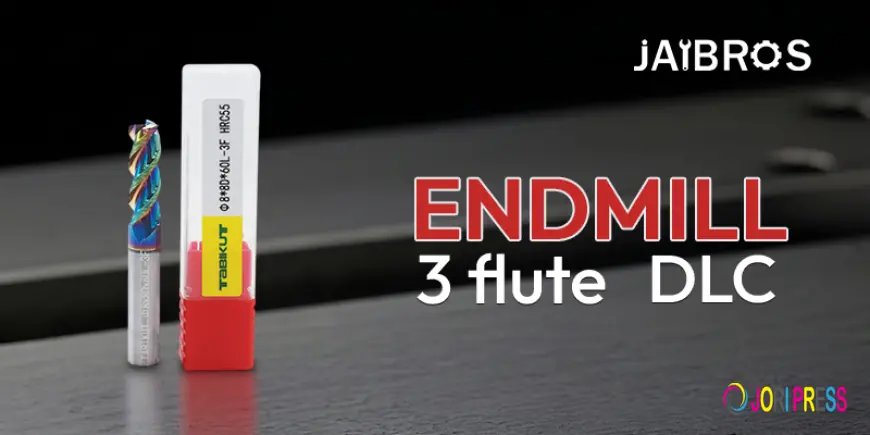
Why Endmills Break in CNC Machining and How to Prevent It
Tool breakage is one of the most common challenges in CNC machining. Broken cutting tools not only increase operational costs but also affect machining accuracy, production time, and overall efficiency. In many cases, improper machining practices and incorrect tool selection are the main reasons behind tool failure.
Understanding why endmills break during machining can help manufacturers and CNC operators improve productivity and extend tool life. This guide explains the common causes of tool breakage and provides practical solutions to avoid costly machining errors.
Importance of Proper Tool Usage in CNC Machining
CNC machining requires precise coordination between the machine, cutting tool, and workpiece material. Even a small mistake in setup or cutting parameters can create excessive stress on the tool.
Broken cutting tools may lead to:
-
Damaged workpieces
-
Machine downtime
-
Poor surface finish
-
Increased tooling expenses
-
Reduced production efficiency
Preventing tool breakage is essential for maintaining smooth and cost-effective machining operations.
Incorrect Speed and Feed Settings
One of the leading causes of tool failure is improper spindle speed and feed rate.
Excessive Feed Rate
When the feed rate is too high, the cutting tool experiences excessive cutting pressure. This increases stress on the tool edges and may cause sudden breakage.
Improper Spindle Speed
Very high spindle speeds generate excessive heat, while extremely low speeds can create rubbing instead of cutting.
Both situations negatively affect tool life.
Solution
Always follow the recommended cutting parameters based on:
-
Workpiece material
-
Tool diameter
-
Machine capability
-
Depth of cut
Balanced machining conditions improve cutting stability and reduce breakage risks.
Poor Tool Holding and Machine Vibration
Improper tool holding creates instability during machining operations.
Common Problems:
-
Tool runout
-
Chatter vibration
-
Misalignment
-
Weak clamping force
Excessive vibration weakens the cutting edges and increases the chances of breakage.
Solution
Use high-quality holders and ensure proper tightening before starting machining operations.
Stable setups improve cutting accuracy and tool durability.
Using the Wrong Tool for the Material
Different materials require different cutting tools and geometries.
For example:
-
Aluminum needs sharp cutting edges and good chip evacuation
-
Hardened steel requires stronger and heat-resistant tooling
Using unsuitable tools increases cutting stress and accelerates wear.
Solution
Select tools according to:
-
Material hardness
-
Surface finish requirements
-
Machining application
-
Cutting speed needs
Choosing the correct tool improves machining performance and reduces failure risks.
Low-Quality Cutting Tools
Poor-quality tools are more likely to fail under demanding machining conditions.
High-performance carbide endmills are preferred because they offer:
-
Better rigidity
-
Higher heat resistance
-
Longer tool life
-
Improved cutting efficiency
Low-grade tools may wear out quickly or break under heavy cutting loads.
Solution
Invest in reliable tooling solutions designed for industrial CNC applications.
Excessive Depth of Cut
Many machinists try to increase productivity by taking deeper cuts. However, excessive depth creates heavy cutting forces that overload the tool.
Problems Caused by Deep Cuts:
-
Increased vibration
-
Heat buildup
-
Tool deflection
-
Sudden breakage
Solution
Optimize cutting depth according to:
-
Tool diameter
-
Material type
-
Machine power
Gradual material removal improves stability and tool life.
Poor Chip Evacuation
Chip accumulation is another major reason for tool failure.
When chips are trapped inside the cutting area:
-
Heat increases rapidly
-
Chips damage cutting edges
-
Surface finish deteriorates
This problem is especially common in deep-pocket milling and high-speed operations.
Solution
Use proper coolant systems and tools designed for efficient chip evacuation.
Incorrect Tool Geometry
Different machining applications require different cutting tool designs. Understanding the types of endmills helps operators select suitable tools for each task.
Common Tool Types:
-
Flat end mills for general milling
-
Ball nose tools for contouring
-
Corner radius tools for heavy cuts
-
Roughing tools for aggressive material removal
Using the wrong geometry reduces cutting efficiency and increases stress on the tool.
Solution
Match tool design with the machining operation for better performance and stability.
Heat Generation During Machining
Excessive heat weakens cutting edges and reduces tool life.
Common causes include:
-
High spindle speed
-
Insufficient coolant
-
Poor chip removal
-
Incorrect cutting parameters
Heat buildup is especially harmful during high-speed machining operations.
Solution
Maintain proper coolant flow and use heat-resistant tooling materials.
Importance of Solid Carbide Tools
Many machinists use solid carbide end mills because of their excellent strength and durability.
Benefits Include:
-
Better resistance to wear
-
High-speed cutting capability
-
Improved rigidity
-
Better performance in hard materials
These tools are widely used in precision industries such as aerospace and automotive manufacturing.
Tool Deflection and Improper Tool Length
Using unnecessarily long tools increases deflection during cutting.
Effects of Tool Deflection:
-
Reduced machining accuracy
-
Poor surface finish
-
Increased vibration
-
Tool breakage
Solution
Use the shortest possible tool length while maintaining access to the machining area.
Rigid setups improve cutting stability and reduce tool stress.
Precision Machining Challenges
Small and detailed machining operations require specialized tooling.
Micro endmills are commonly used in:
-
Electronics manufacturing
-
Medical device production
-
Mold and die applications
Because of their small diameter, these tools are more sensitive to incorrect speeds, feeds, and vibration.
Solution
Use highly precise machining parameters and stable machine setups for micro machining applications.
Common Mistakes CNC Operators Should Avoid
To reduce tool failure, operators should avoid:
-
Aggressive cutting conditions
-
Poor coolant application
-
Incorrect tool selection
-
Ignoring tool wear
-
Weak workpiece clamping
-
Excessive spindle speeds
Careful machining practices improve both productivity and tool life.
Future Trends in CNC Tooling
Modern CNC machining is evolving with advanced technologies such as:
-
Smart cutting tools
-
AI-based machining optimization
-
Adaptive machining strategies
-
Advanced coating technologies
These innovations help reduce tool failure and improve machining performance.
Conclusion
Tool breakage is a common but preventable problem in CNC machining. Improper cutting parameters, poor setup, incorrect tool geometry, and excessive cutting loads are among the biggest reasons why endmills fail during operations. By using the right tooling solutions, optimizing machining conditions, and following proper maintenance practices, manufacturers can improve productivity and extend tool life.
Understanding the causes of tool failure helps CNC operators achieve smoother machining operations, better surface quality, and reduced production downtime.
FAQs
1. Why do endmills break during CNC machining?
Common causes include incorrect speeds and feeds, poor tool holding, excessive cutting depth, and improper chip evacuation.
2. How can I prevent tool breakage?
Use proper machining parameters, stable setups, coolant systems, and high-quality cutting tools.
3. Why are carbide tools preferred in CNC machining?
Carbide tools provide better durability, heat resistance, and cutting efficiency compared to standard tools.
4. What are micro endmills mainly used for?
They are used for precision machining of very small and intricate components.
5. Does coolant help improve tool life?
Yes, coolant reduces heat buildup, improves chip evacuation, and helps extend tool durability.
About Jaibros
Jaibros is a trusted supplier of premium CNC cutting tools and machining solutions designed for precision and performance. Offering reliable tooling products for modern manufacturing industries, Jaibros helps businesses improve machining efficiency, tool life, and production quality with advanced CNC tooling solutions.
What's Your Reaction?
 Like
0
Like
0
 Dislike
0
Dislike
0
 Love
0
Love
0
 Funny
0
Funny
0
 Angry
0
Angry
0
 Sad
0
Sad
0
 Wow
0
Wow
0