



































Why Balcony Waterproofing Is Essential for Long-Term Property Protection

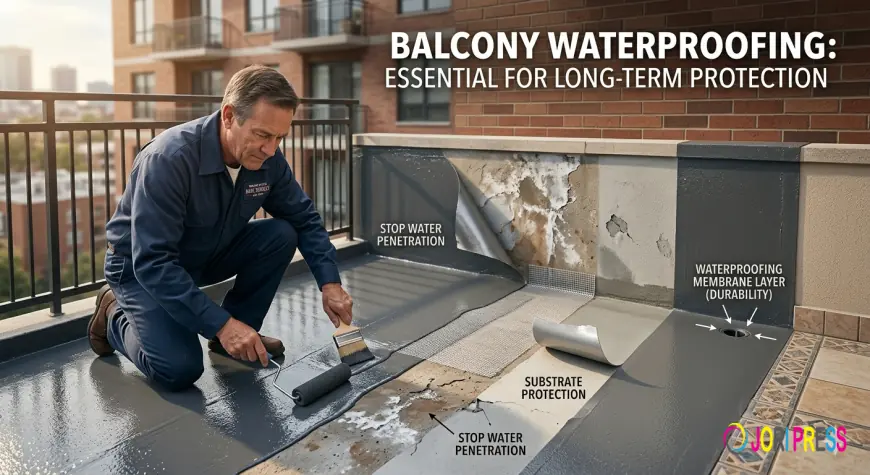
Balconies add value, functionality, and visual appeal to residential and commercial properties alike. They create outdoor living space, improve architectural character, and enhance the overall experience of a building. However, because balconies are constantly exposed to sun, rain, temperature shifts, and moisture, they are also among the most vulnerable structural components when maintenance is neglected.
In cities with warm climates and seasonal weather changes, property owners often underestimate how quickly water intrusion can lead to deterioration beneath the surface. What begins as minor cracking or surface wear can eventually develop into structural damage, safety concerns, and costly repairs.
Understanding how waterproofing systems work — and why proactive maintenance matters — can help building owners protect their investments while extending the lifespan of exterior structures.
How Water Damage Develops on Balconies
Balconies experience constant environmental exposure. Unlike many interior building systems, they absorb direct sunlight, rainfall, moisture, and daily foot traffic throughout the year.
Over time, protective coatings can deteriorate. Small cracks may form in concrete or surface materials, allowing water to penetrate underlying layers. Once moisture reaches structural components, deterioration often accelerates.
Some common causes of balcony damage include:
-
Cracked waterproof membranes
-
Improper drainage design
-
Aging sealants around railings and joints
-
Surface wear from weather exposure
-
Standing water after rainfall
-
UV-related material breakdown
-
Poor installation methods
Because damage often develops beneath visible surfaces, many property owners do not recognize the severity of the issue until major symptoms appear.
Early Warning Signs Property Owners Should Watch For
Balcony deterioration rarely happens overnight. In most cases, warning signs appear gradually before structural damage becomes extensive.
Surface Cracking
Small cracks in concrete, tile, or coatings can create pathways for water infiltration. Even hairline fractures deserve attention because moisture can expand damage over time.
Peeling or Bubbling Coatings
Protective coatings are designed to create moisture barriers. Bubbling, peeling, or discoloration may indicate trapped moisture beneath the surface.
Rust Stains
Rust streaks or corrosion around railings, fasteners, or metal supports can signal water intrusion affecting internal components.
Soft or Uneven Areas
Spongy flooring or unstable balcony surfaces may point to underlying structural deterioration.
Water Leaks Below the Balcony
Moisture stains on ceilings or walls beneath elevated balconies often indicate failed waterproofing systems.
Addressing these issues early can help prevent larger structural repairs and reduce overall restoration costs.
Why Waterproofing Systems Matter
Waterproofing systems serve as protective barriers between balcony surfaces and moisture intrusion. A properly installed system helps direct water away from vulnerable materials while maintaining structural integrity.
In regions with intense sunlight and periodic heavy rain, waterproofing materials must withstand both UV exposure and moisture fluctuations. This is why long-term durability depends heavily on choosing appropriate materials and installation methods.
Modern waterproofing systems often include:
-
Protective membranes
-
Reinforced coatings
-
Drainage components
-
Flexible sealants
-
Slip-resistant finishes
-
UV-resistant surface treatments
Together, these elements help minimize water penetration while improving safety and appearance.
Property owners researching exterior maintenance strategies often explore resources related tobalcony waterproofing in Los Angeles to better understand regional conditions, common repair methods, and preventive maintenance approaches.
The Risks of Delaying Balcony Repairs
Postponing repairs may initially seem cost-effective, but water damage tends to worsen over time. Moisture that penetrates balcony systems can eventually affect framing, support structures, adjacent walls, and even interior spaces.
Structural Deterioration
Water intrusion can weaken concrete reinforcement, wood framing, and steel supports. As materials deteriorate, structural safety concerns may develop.
Higher Repair Costs
Minor waterproofing repairs are generally less expensive than full structural reconstruction. Delayed action often increases labor, material, and restoration expenses.
Safety Hazards
Loose railings, unstable surfaces, and hidden structural damage may create risks for occupants and visitors.
Reduced Property Value
Visible deterioration can negatively affect curb appeal, tenant satisfaction, and resale potential.
Potential Code Compliance Issues
In some jurisdictions, exterior structural conditions may require inspection or corrective action to remain compliant with local safety standards.
Taking preventive action early often helps property owners avoid these larger complications.
Common Balcony Waterproofing Methods
Different balcony systems require different waterproofing approaches depending on the construction materials, age of the structure, and severity of existing damage.
Liquid-Applied Membranes
Liquid waterproofing products create seamless protective barriers that help prevent moisture intrusion. These coatings are commonly used on concrete surfaces and can provide flexibility as structures naturally expand and contract.
Sheet Membrane Systems
Sheet membranes are layered beneath surface finishes to create durable moisture barriers. These systems are frequently used in large-scale commercial or multi-unit projects.
Traffic Coating Systems
Traffic coatings combine waterproof protection with durability against foot traffic. They are commonly installed on balconies, decks, walkways, and elevated surfaces.
Sealant and Joint Repairs
Balcony joints, railing penetrations, and transitions between materials are common points of water entry. Replacing aging sealants helps maintain system integrity.
Drainage Improvements
Proper drainage is critical for preventing standing water. In some cases, waterproofing projects also involve correcting slope issues or installing updated drainage components.
Preventive Maintenance Best Practices
Regular maintenance can significantly extend the lifespan of balcony systems and reduce long-term repair costs.
Property owners can help preserve exterior surfaces by following several practical maintenance steps:
-
Inspect balcony surfaces regularly for cracks or coating damage
-
Clear drains and scuppers to prevent standing water
-
Reseal joints and penetrations when needed
-
Address minor repairs promptly before moisture spreads
-
Schedule professional inspections for aging structures
Consistent maintenance allows property owners to identify small issues before they become major structural concerns.
Factors That Influence Waterproofing Lifespan
No waterproofing system lasts forever. Several factors influence how long balcony protection systems remain effective.
Climate Exposure
Properties exposed to intense sunlight, coastal air, or frequent rain may experience faster material deterioration.
Installation Quality
Proper preparation and installation are critical. Even high-quality materials can fail prematurely if applied incorrectly.
Foot Traffic Levels
Balconies with heavy daily use may require more durable coating systems and more frequent maintenance.
Material Compatibility
Using compatible products helps ensure proper adhesion and long-term system performance.
Maintenance Frequency
Routine inspections and minor upkeep often extend system lifespan substantially.
Understanding these variables helps property owners plan maintenance schedules more effectively.
Choosing the Right Waterproofing Approach
Every property presents unique conditions. Older buildings may require structural assessment before waterproofing begins, while newer properties may benefit primarily from preventive maintenance.
When evaluating repair or restoration options, property owners often consider:
-
Existing structural condition
-
Surface materials
-
Climate exposure
-
Occupancy levels
-
Long-term maintenance goals
-
Budget priorities
A thorough inspection can help determine the most appropriate waterproofing strategy for the building’s specific needs.
Conclusion
Balconies contribute both function and visual appeal to a property, but they also require consistent protection from environmental exposure. Waterproofing systems play a vital role in preventing moisture intrusion, preserving structural integrity, and reducing long-term maintenance costs.
By recognizing early warning signs, investing in preventive maintenance, and addressing repairs before they escalate, property owners can extend the lifespan of balcony systems while protecting the value of their buildings. Proactive exterior care not only improves durability but also helps create safer and more reliable spaces for occupants over time.
What's Your Reaction?
 Like
0
Like
0
 Dislike
0
Dislike
0
 Love
0
Love
0
 Funny
0
Funny
0
 Angry
0
Angry
0
 Sad
0
Sad
0
 Wow
0
Wow
0