








































What to Consider When Sourcing Aircraft Batteries

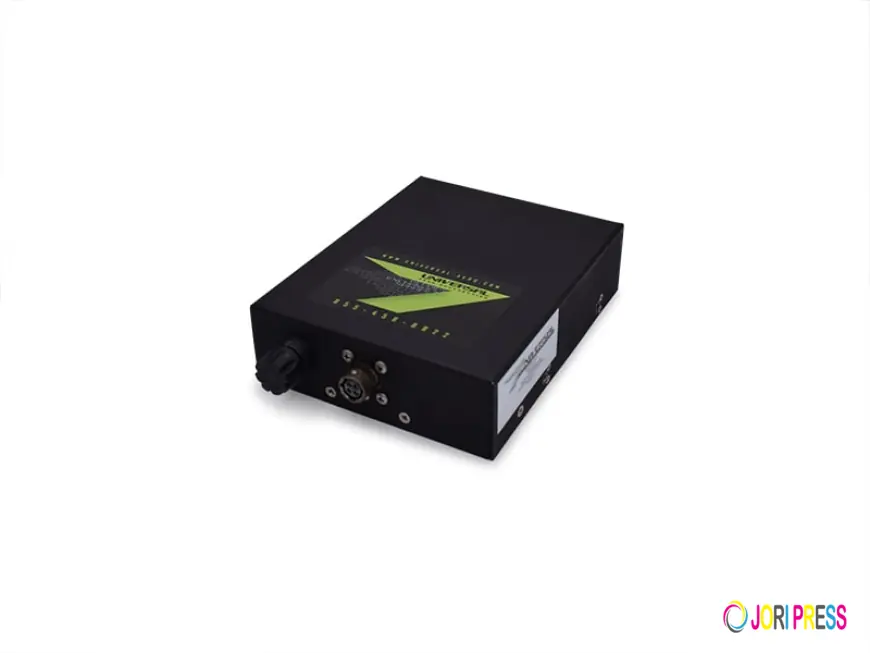
Aircraft batteries are an essential part of many aircraft electrical systems. They can provide power for engine starting, emergency systems, backup electrical requirements, and other critical applications. Because aircraft operate in demanding environments, selecting the appropriate battery requires more consideration than simply comparing prices or checking immediate availability.
For aircraft operators, maintenance organizations, repair facilities, and aviation component buyers, the sourcing process should include careful evaluation of compatibility, specifications, condition, documentation, supplier reliability, and long-term support. Understanding these factors can help organizations make informed purchasing decisions and maintain efficient aircraft operations.
1. Start With the Correct Part Number
One of the most important steps when sourcing an aircraft battery is identifying the exact part number required for the application. Aviation components are often designed for particular aircraft models, electrical systems, or equipment configurations. A battery that appears similar may not necessarily be suitable for the intended aircraft.
Before purchasing, buyers should verify the part number using approved aircraft documentation, maintenance records, equipment manuals, or other reliable sources. Confirming the part number at the beginning of the sourcing process can help reduce the possibility of ordering an incompatible component and experiencing unnecessary delays.
2. Understand the Battery Type
Aircraft batteries are available in different technologies, with nickel-cadmium and lead-acid batteries being common examples in aviation applications. Each battery technology has different characteristics, maintenance requirements, and operating considerations.
Understanding the battery type helps buyers evaluate whether the component is appropriate for the aircraft's electrical system. Factors such as charging requirements, capacity, operating temperature, weight, maintenance needs, and expected service conditions should be reviewed before making a purchasing decision.
3. Review Technical Specifications
Once the correct part number and battery type have been identified, the technical specifications should be carefully reviewed. Important specifications may include voltage, capacity, dimensions, weight, terminal configuration, and other manufacturer-defined requirements.
Physical compatibility is also important. Even when two batteries appear similar, differences in dimensions or connection configurations may prevent proper installation. Reviewing the manufacturer's specifications and aircraft requirements can help ensure that the selected battery is suitable for the intended application.
4. Check the Battery's Condition
The condition of the battery is another important consideration. Depending on availability and operational requirements, buyers may have access to new, serviceable, overhauled, or refurbished components.
A new battery may be appropriate when an organization requires a newly manufactured component, while an overhauled or serviceable unit may provide another sourcing option depending on the aircraft's requirements and applicable maintenance procedures.
When considering an overhauled or previously used component, buyers should review available inspection information, maintenance history, and serviceability documentation. Understanding the condition of the battery before purchase can help maintenance teams plan appropriately.
5. Verify Documentation and Traceability
Documentation is an important part of aircraft component sourcing. Buyers should determine what documentation is available with the battery and whether it meets the requirements of the intended operation or maintenance organization.
Depending on the component and transaction, documentation may include inspection records, certification, maintenance information, traceability details, or other relevant paperwork.
Proper traceability can help maintenance personnel understand the component's history and verify that the battery is suitable for its intended application. Buyers should therefore consider documentation availability as part of the purchasing decision rather than treating it as an afterthought.
6. Evaluate Supplier Experience
The supplier is another important factor to consider when sourcing aircraft batteries. Aviation components require a different level of attention than many general industrial products, so buyers may benefit from working with suppliers that understand aircraft component requirements.
When evaluating a supplier, consider factors such as aviation industry experience, inventory availability, sourcing capabilities, documentation practices, customer support, and ability to provide relevant component information.
An experienced supplier may also be able to help identify sourcing options when a specific part number is difficult to locate or when the original component is temporarily unavailable.
7. Consider Availability and Lead Times
Availability can directly affect aircraft maintenance schedules. If a required battery is not available when needed, maintenance work may be delayed and aircraft availability can be affected.
For this reason, buyers should consider both current stock and expected lead times. It can also be useful to ask suppliers about alternative sourcing options, exchange programs, overhaul services, or loaner availability where applicable.
For organizations that regularly require specific aircraft batteries, maintaining relationships with dependable suppliers can make future sourcing easier and help reduce unnecessary delays.
8. Compare Warranty and Support
Warranty terms should also be reviewed before purchasing an aircraft battery. Different suppliers and component conditions may come with different warranty arrangements.
Buyers should understand the warranty period, coverage, applicable conditions, and process for addressing potential issues. In addition to warranty coverage, technical support and after-sales assistance can be valuable when dealing with specialized aviation components.
A supplier that provides clear communication and responsive support can make the overall sourcing process easier for maintenance and procurement teams.
9. Look Beyond the Initial Purchase Price
Price is naturally an important part of procurement, but it should not be the only factor considered. The lowest initial purchase price may not always represent the lowest overall cost.
Buyers should consider additional expenses such as inspection, overhaul, shipping, documentation, installation, maintenance, and potential future servicing. Comparing the total cost of different sourcing options can provide a more realistic picture of the overall investment.
A component that is readily available, properly documented, and supported by a reliable supplier may help reduce additional costs associated with delays or sourcing problems.
10. Review Storage and Handling Requirements
Aircraft batteries may have specific requirements for storage, transportation, charging, and handling. These requirements can vary depending on the battery technology and manufacturer.
Before purchasing, organizations should understand the appropriate storage and handling conditions. Proper storage can help protect the battery from environmental factors that may affect its condition or performance.
Transportation should also be considered, particularly when components need to be shipped over long distances. Buyers and suppliers should ensure that applicable transportation and handling requirements are followed.
11. Consider Long-Term Maintenance Needs
Aircraft batteries are part of an aircraft's overall electrical system, so sourcing decisions should also take future maintenance into account. Buyers may want to understand expected inspection intervals, servicing requirements, replacement considerations, and availability of future support.
Planning for future requirements can help organizations avoid situations where a component becomes difficult to source when it is urgently needed.
Maintaining accurate records of previously sourced components can also make repeat purchasing easier. Recording part numbers, supplier information, component condition, and documentation details can help procurement teams make faster decisions in the future.
12. Choose a Supplier That Can Support Different Requirements
Aircraft component needs can vary from one organization to another. Some customers may require a specific battery immediately, while others may need an overhaul, exchange unit, loaner, or sourcing assistance.
For this reason, it can be useful to work with a supplier that offers flexible component support. Access to different sourcing and service options can make it easier to respond to changing maintenance requirements.
Conclusion
Sourcing aircraft batteries involves several important considerations beyond price and availability. Buyers should begin by confirming the correct part number and technical specifications, then evaluate the battery type, condition, documentation, traceability, supplier experience, and lead time.
Warranty coverage, total cost, storage requirements, handling procedures, and long-term maintenance support should also be included in the evaluation process. Taking a comprehensive approach can help aviation organizations reduce sourcing complications and make purchasing decisions that align with their operational requirements.
Whether an organization needs a specific aircraft battery for routine maintenance, replacement, or ongoing inventory planning, careful sourcing can contribute to smoother procurement and better aircraft component management. Working with an experienced aviation component supplier can further simplify the process by providing access to reliable sourcing options, relevant documentation, and ongoing support.
What's Your Reaction?
 Like
0
Like
0
 Dislike
0
Dislike
0
 Love
0
Love
0
 Funny
0
Funny
0
 Angry
0
Angry
0
 Sad
0
Sad
0
 Wow
0
Wow
0