




































What Are the Benefits of Using Optometric Services?
Optometric services help maintain clear vision and overall eye health through regular eye exams, early detection of eye conditions, and personalized treatments. They reduce eye strain, improve visual comfort, and provide solutions like glasses or contact lenses, supporting better daily performance and long-term well-being.

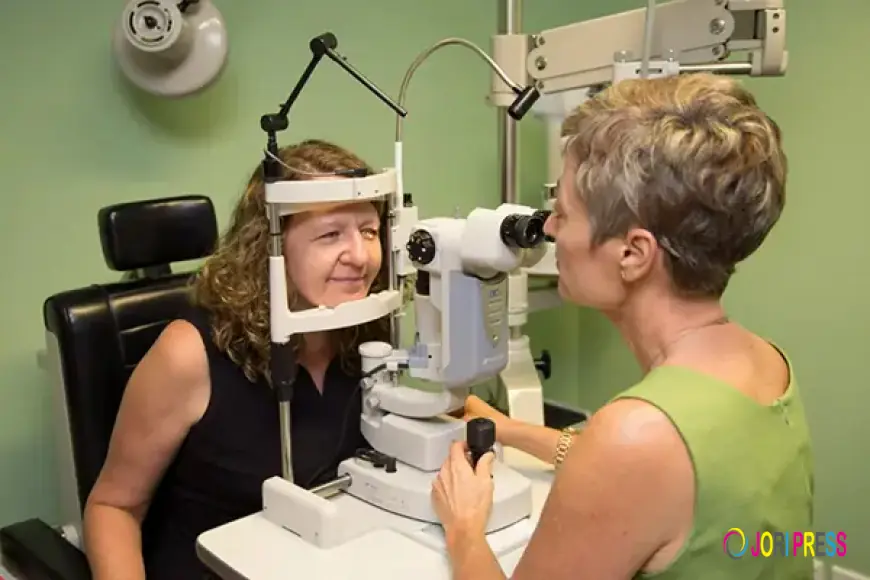
People tend to visit an optometrist when something is clearly wrong. A prescription that no longer feels right. A child squinting at the board. Maybe for eyes that are persistently tired or sore.
These are reasonable triggers for an appointment, but they represent only a fraction of what optometric services actually provide. The full scope of what a comprehensive eye examination detects, monitors, and manages is something most patients discover gradually, appointment by appointment, across a lifetime of quality eye health care.
Early Detection of Eye Conditions
The most significant contribution of regular optometric care is detecting conditions before they cause irreversible damage. Glaucoma is the clearest example. It is the leading cause of preventable blindness in Australia, and it typically develops without any symptoms in its early stages. Intraocular pressure, optic nerve changes, and visual field defects, the hallmarks of glaucoma progression, are assessable in a comprehensive eye examination long before a patient notices anything amiss.
The same principle of early detection is crucial for managing conditions like macular degeneration, diabetic retinopathy, and a variety of other retinal diseases. Spotting these issues early can significantly alter the course of treatment and improve long-term outcomes. Modern diagnostic equipment plays a pivotal role in this process. Technologies such as OCT (optical coherence tomography), which provides cross-sectional images of the retina, and Optomap ultra-widefield retinal imaging, which captures a panoramic view of the back of the eye, allow optometrists to detect subtle structural changes that would not be visible through a standard examination alone. These advanced tools can reveal the earliest signs of disease, often before a patient even notices any symptoms.
Optometry at Cooroy is committed to providing the highest standard of care, which is why they incorporate this advanced diagnostic technology into their comprehensive eye examinations.
Improved Vision and Quality of Life
An accurate, up-to-date prescription is the most immediate and tangible outcome of a comprehensive eye examination. But the quality of vision correction has implications well beyond reading a chart clearly. Uncorrected or poorly corrected vision affects driving safety, occupational performance, and the ease with which daily tasks are completed. For children, undetected or uncorrected refractive errors can have significant educational consequences. Getting the prescription right, and ensuring it remains right as the visual system changes, is not a minor administrative task. It is a core health outcome.
Management of Eye Diseases
Optometrists are qualified to diagnose and manage a broad range of eye conditions, not only to identify them and refer elsewhere. Dry eye disease, anterior eye conditions, and the monitoring of chronic conditions such as glaucoma and macular degeneration are all within the scope of optometric management. For patients in regional areas like the Sunshine Coast hinterland, having access to thorough optometric management locally reduces the need for specialist referrals for conditions that can be appropriately managed by an experienced general and behavioural optometrist.
Relief from Digital Eye Strain
Sustained screen use is now a central feature of most people's working and recreational lives, and the visual system was not designed for hour after hour of fixed near-point focus on a backlit screen. Symptoms of digital eye strain, including tired or sore eyes, headaches, blurred vision at near, and difficulty refocusing between distances, are reported widely. These symptoms may indicate accommodative or binocular vision inefficiencies that are addressable through optometric intervention, whether through updated optical correction, specific lens designs for screen work, or a program of vision therapy targeting the underlying functional issues.
Children's Eye Health and Learning
Children's vision deserves particular attention because visual problems in childhood frequently go undetected. Children often do not report visual difficulties because they have no baseline of comparison. They may assume that the visual experience they have is the same as everyone else's. Signs that a child's vision may warrant assessment include avoiding reading or near tasks, losing their place frequently when reading, headaches or eye fatigue after schoolwork, and difficulty with tasks requiring hand-eye coordination.
Comprehensive eye examinations for children at Optometry at Cooroy go well beyond eyesight testing. Binocular vision, eye movement control, accommodative function, and visual processing are all assessed as part of a thorough paediatric evaluation. Where visual skills deficits are identified, management options include optical correction, vision therapy, or a combination of approaches. The practice's experienced team has been providing children's eye care and learning-related vision assessment for decades.
Guidance on Eye Protection and Lifestyle Choices
Optometric appointments are also an opportunity to discuss factors that affect long-term eye health. UV exposure and its relationship to cataract and macular degeneration development, the role of nutrition in eye health, myopia control options for children and young adults, and the importance of appropriate protective eyewear for hazardous activities are all areas where optometrist guidance has practical preventive value. This educational dimension of optometric services is easy to overlook but represents a meaningful preventive health strategy.
Detection of Other Health Issues
The eye is the only site in the body where the vasculature can be directly examined without invasive procedures. The retinal blood vessels reflect the state of the systemic circulation, and changes to their appearance can indicate or support the diagnosis of conditions including hypertension, diabetes, and certain neurological conditions. Optometrists are trained to recognise these signs and to communicate relevant findings to the patient's GP. In some cases, an optometric examination has been the first clinical encounter to identify a systemic health concern. This is not the primary purpose of an eye examination, but it is a genuine and documented dimension of comprehensive optometric care.
Customised Vision Therapy
Where a comprehensive eye examination identifies binocular vision dysfunction, visual processing difficulties, or other functional vision conditions that cannot be addressed by optical correction alone, vision therapy provides a structured management pathway. Vision therapy is a progressive, individually designed program conducted under optometrist supervision, typically in a combination of in-office sessions and home-based activities.
At Optometry at Cooroy, vision therapy programs are tailored to each patient's specific assessment findings. The practice uses a range of evidence-supported tools including the Vivid Vision VR system for amblyopia and strabismus management, the EYEBAB digital vision training platform, and the ReadAlyzer eye movement recording system for reading-related vision problems.
Conclusion
Optometric services are most valuable when they are consistent, comprehensive, and matched to the specific needs of the individual patient. The full scope of what a comprehensive eye examination covers, from disease detection and prescription accuracy to children's learning-related vision and vision therapy for functional conditions, is considerably broader than most people realise until they experience it firsthand.
Optometry at Cooroy has been providing independent, comprehensive optometric services to the Cooroy community and the broader Sunshine Coast for many years. The practice offers general and behavioural optometry, vision therapy, speciality contact lens fitting, and a range of advanced diagnostic and therapeutic services from a team with deep experience across all areas of optometric care. To book a comprehensive eye examination, visit optometryatcooroy.com.au or call the practice at 62 Maple Street, Cooroy.
What's Your Reaction?
 Like
0
Like
0
 Dislike
0
Dislike
0
 Love
0
Love
0
 Funny
0
Funny
0
 Angry
0
Angry
0
 Sad
0
Sad
0
 Wow
0
Wow
0