




























Using AR and VR to Identify Design Issues Before Construction Begins

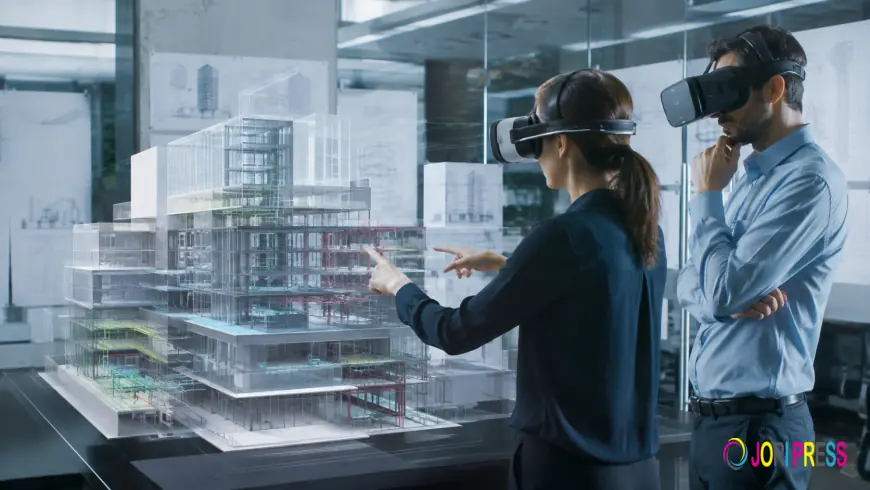
Construction projects depend on making the right design decisions before work begins on site. Architects, engineers, contractors, developers, and other project stakeholders need to understand how a proposed building will look, function, and interact with its spaces before construction starts. Traditional drawings and design models can provide valuable information, but immersive technologies such as Augmented Reality (AR) and Virtual Reality (VR) offer another way to experience a project before it becomes physical.
AR and VR can bring 3D designs to life, allowing stakeholders to interact with a proposed project and identify potential design challenges earlier in the process. This makes AR and VR particularly useful for BIM-based design and construction workflows.
For organisations looking for ar and vr services in UK, understanding how these technologies support design review, collaboration, and decision-making can help them make better use of their digital project information.
What Are AR and VR in Building Design?
Augmented Reality overlays digital information onto the real world. In a construction environment, AR can be used to view digital information, annotations, and instructions while looking at the physical surroundings. This creates an interaction between the digital information and the real environment.
Virtual Reality takes a different approach. Instead of adding digital information to the physical environment, VR immerses users in a digital environment. Within BIM, VR allows stakeholders to experience architectural designs, construction plans, and infrastructure projects as though they were physically present within the proposed environment.
This immersive experience can support better decision-making, collaboration, and visualization during the design process.
Experience the Building Before It Is Constructed
One of the biggest advantages of VR is the ability to experience an unbuilt project.
Instead of reviewing a design only through conventional drawings, stakeholders can walk through the proposed building and discuss the design within the virtual space. This provides a more interactive way to understand the project and its different elements.
For clients, this can make design discussions easier because they can experience the feel of the proposed project rather than relying entirely on technical drawings.
This approach is particularly valuable when design decisions need to be discussed with clients or other stakeholders. Changes can be understood within the virtual environment, helping everyone involved develop a clearer understanding of the proposed design.
Identify Design Issues Before Construction
Design problems can become more difficult and expensive to address once construction has started. AR and VR provide an opportunity to analyse a design before it reaches that stage.
Within a virtual environment, stakeholders can take measurements, assess space restrictions, and evaluate functional issues. These activities can help identify challenges during the design phase and allow changes to be considered before construction begins.
AR and VR can also help stakeholders visually identify clashes and conflicts in BIM models. Early identification allows these issues to be resolved during the design phase rather than discovering them later.
This is one of the important ways vr in construction in UK can support better project decision-making. Instead of waiting until a physical space exists, project teams can review the proposed environment digitally and make appropriate design modifications.
Make Design Changes in Real Time
Design development often involves changes based on client requirements and project discussions. VR provides an interactive environment where design modifications can be considered in real time.
Stakeholders can adjust aspects of the design and evaluate how those changes affect the overall experience. Client preferences and updates can also be noted during a VR architectural walkthrough.
This client-centric approach can help ensure that the final design reflects the client's requirements more closely.
The ability to make changes while experiencing the virtual environment also creates a more engaging design review process. Instead of simply discussing an element on a drawing, stakeholders can experience the design and discuss potential modifications within the proposed space.
Improve Collaboration and Decision-Making
Construction projects involve multiple stakeholders, and effective communication is important when reviewing a design. AR and VR can support collaborative communication by giving stakeholders a shared visual environment.
The Conserve Solutions approach focuses on using VR not simply to see a design but to feel and interact with it. Stakeholders can walk through the project, discuss the designed space, and appreciate the project at different scales.
This can help create a clearer understanding of the proposed building and support faster decision-making. The company's FAQ also highlights enhanced visualization, efficient design iteration, collaborative communication, and improved safety training as key benefits of AR and VR in BIM.
Reduce Late Design Changes
Identifying and solving design challenges before construction can help reduce the need for costly changes later. VR provides a way to review the proposed project before physical construction begins.
Stakeholders can analyse space restrictions, evaluate functional issues, identify clashes and conflicts, and make design modifications within the virtual environment.
The result is a design review process that places greater focus on identifying challenges earlier. This can help save time and resources while improving the overall design development process.
AR and VR for a More Interactive Client Experience
Client engagement is another important application of immersive design technology. With VR, clients can take interactive tours of their proposed projects and experience the design as if it were already built.
This can make it easier for clients to communicate their preferences and provide feedback. Updates can be recorded during the VR architectural walkthrough, allowing the design to be tailored to their requirements.
For businesses considering ar and vr solutions in UK, this client-focused capability can be particularly useful when presenting 3D designs and communicating design ideas.
From 3D Design to Immersive Walkthroughs
AR and VR can connect different stages of digital design delivery, from conceptualization and model viewing to immersive VR architectural walkthroughs.
The Conserve Solutions UK service page describes its AR and VR capabilities as part of its digital construction offering. The focus is on bringing 3D designs to life and helping stakeholders experience projects before they are constructed.
The page also notes that drafting deliverables can be provided in DWG, DXF, PDF, and RVT (Revit) formats based on client requirements. This supports the broader connection between drafting, BIM, 3D models, and immersive design experiences.
Why AR and VR Matter Before Construction Begins
The value of AR and VR is not simply the ability to create an impressive visual experience. Their practical value comes from helping stakeholders understand a proposed project, review its spaces, identify design issues, and make decisions before construction.
For architects, engineers, contractors, developers, and other construction stakeholders, immersive visualization can provide another layer of understanding during design review.
By allowing users to visualize the unbuilt, experience projects at different scales, analyse spatial restrictions, assess functional issues, and identify BIM clashes, AR and VR can contribute to a more informed design process.
Conclusion
AR and VR are changing how building designs can be experienced before construction begins. By combining immersive visualization with BIM-based project information, stakeholders can walk through proposed spaces, evaluate design decisions, identify clashes and conflicts, make modifications, and communicate more effectively with clients.
For organisations exploring ar and vr services in UK, the technology offers a practical way to improve design visualization and support earlier decision-making. As vr in construction in UK continues to become part of digital construction workflows, immersive project experiences can help teams address design challenges before they become physical construction issues.
Conserve Solutions supports this approach through AR and VR technology, BIM-related services, 3D design visualization, and immersive VR architectural walkthroughs, helping clients transform their digital designs into interactive project experiences.
What's Your Reaction?
 Like
0
Like
0
 Dislike
0
Dislike
0
 Love
0
Love
0
 Funny
0
Funny
0
 Angry
0
Angry
0
 Sad
0
Sad
0
 Wow
0
Wow
0