









































Unlocking Uganda’s Creative Economy: Industry Players Push for IP Financing and Formalization to Boost Revenue

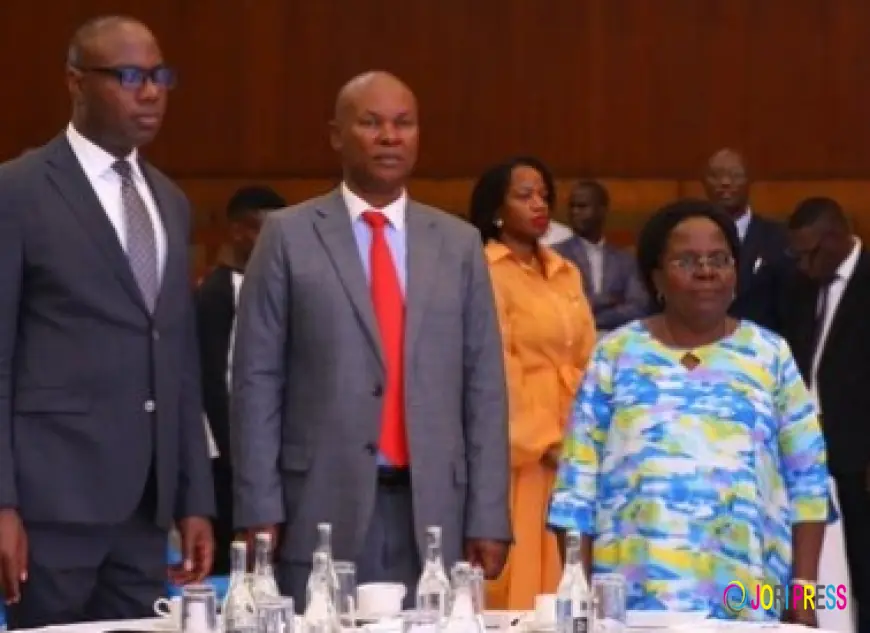
The Economic Policy Research Centre National Policy (EPRC) held a dialogue on November 26, 2026, at the Kampala Serena Hotel, focused on unlocking intellectual property (IP) financing, formalizing creative businesses, and expanding public funding to double the creative industry's GDP contribution to 6%.
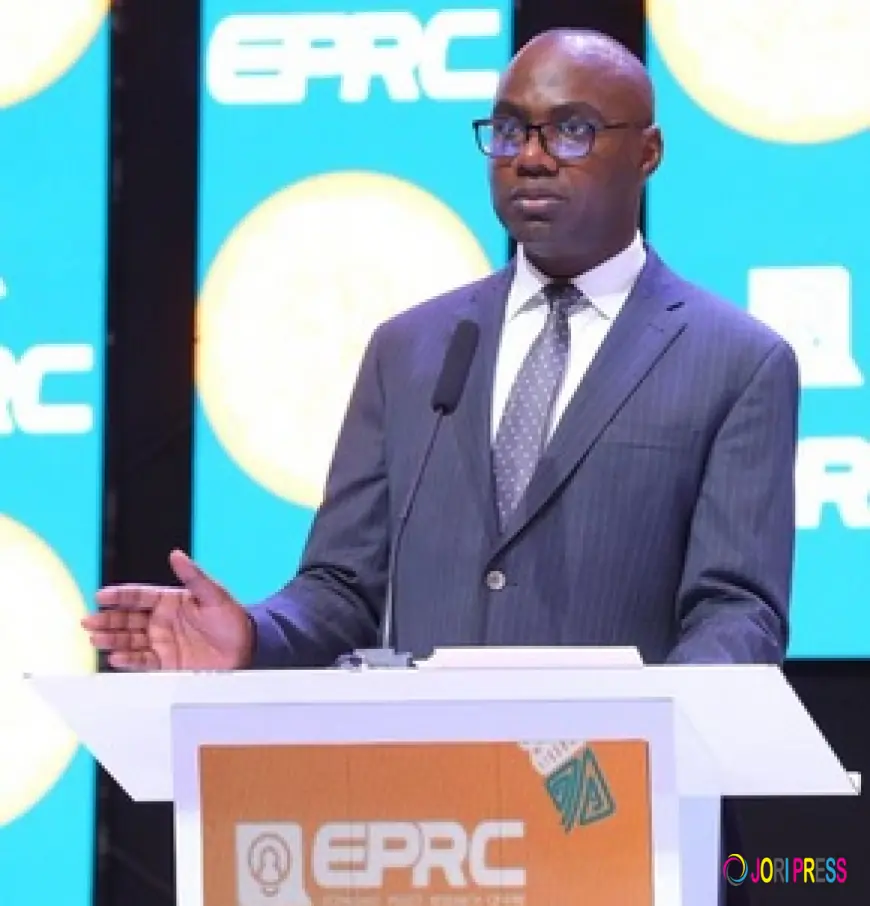
Convened under the theme “Harnessing Uganda’s Creative Industry for Job Creation: A Case for the Performing Arts and Audiovisuals,” the event featured keynote remarks from Minister of State for Finance (General Duties) Henry Musasizi
IP Financing and Collateral:
Minister Musasizi urged commercial banks and financial institutions to apply the Security Interest in Movable Property Act, 2019, which allows creatives to use intellectual property as collateral for loans. He noted that lender hesitation continues to limit credit access, even as government pushes financial institutions to help creative enterprises scale, invest, and create jobs.
“Government prioritises the cultural and creative industries as a key for boosting the country's domestic resource mobilization” he said
Government Funding Commitments:
“Government provided Shs 66 billion to support the creative industry, including Shs 10 billion for a revolving fund for artists, with the balance allocated to creative arts. An additional Shs 33 billion was provided to the musicians' revolving fund in FY2026/27 to promote enterprise growth and job creation. Other interventions include a Shs 500 million grant to filmmakers through the Uganda Communications Commission in 2021, Shs 5 billion advanced to the podcasters' SACCO in 2026 and Shs 7 billion to support the event promoters' SACCO” the minister said
EPRC Executive Director Dr. Sarah Ssewanyana said the creative industry presents an important opportunity to address Uganda's youth unemployment challenge through productive and sustainable employment.
“According to the Bureau of Statistics, four in every ten young people in Uganda are not in employment, not in education or training,” she said.
She added that approximately 7 in every 10 people working in performing arts, music, film and fashion are young people, making the industry an important source of livelihoods and business opportunities.
Dr. Ssewanyana also observed that creative industries remain resilient amid technological advancement and artificial intelligence because they depend on cultural sensitivity, social skills and individual vision, qualities that cannot easily be replicated.
“Government prioritises the cultural and creative industries as a key for boosting the country's domestic resource mobilisation,” Musasizi said.
Economic and Employment Targets:
These measures align with Uganda’s Tenfold Growth Strategy, which aims to build a US$500 billion economy by 2040. Targets for the creative sector include:
• Doubling its GDP contribution from 3% to 6%.
• Raising its employment share from 1% to 5%.
• Growing export earnings and domestic revenue contributions by 25%.
Addressing Informality:
Although Uganda's 2024 National Population and Housing Census recorded 353,115 people working in creative occupations (3.7% of the working population), high levels of informality obscure the sector's true economic footprint.
Participants emphasized stronger data systems, better sector classification, and business formalization to attract investment, improve measurement, and expand the tax base.
What's Your Reaction?
 Like
0
 Dislike
0
 Love
0
 Funny
0
 Angry
0
 Sad
0
 Wow
0