






































The Evolution of Crypto Wallet Security: From Seed Phrases to Passkeys

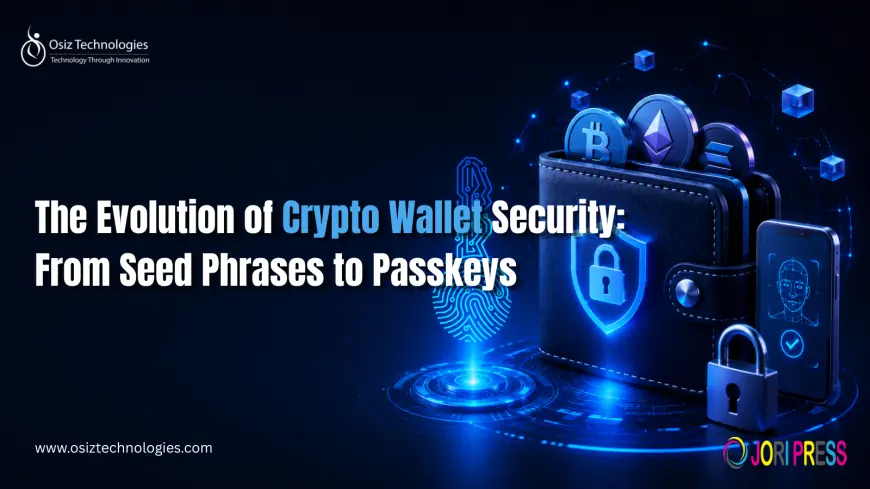
As the Web3 ecosystem continues to grow, crypto wallets have become the primary gateway for managing digital assets, NFTs, stablecoins, and decentralized applications (dApps). Whether users are trading cryptocurrencies, participating in DeFi protocols, or interacting with blockchain-based services, a secure wallet is essential. Traditionally, cryptocurrency wallets have relied on 12 or 24-word seed phrases to protect user assets and enable wallet recovery. While this approach has supported self-custody for years, it also places significant responsibility on users.
Today, the industry is witnessing a major shift toward passkey authentication, a passwordless security method designed to improve both protection and usability. This evolution reflects the growing demand for secure, seamless, and user-friendly wallet experiences. As blockchain adoption expands across industries, businesses developing modern wallet solutions are integrating advanced authentication technologies to reduce security risks, simplify onboarding, and build greater user trust.
Understanding Traditional Seed Phrases
A seed phrase, also known as a recovery phrase or mnemonic phrase, is a randomly generated sequence of words that serves as the master key for accessing a cryptocurrency wallet. If a device is lost, damaged, or replaced, users can restore their wallet using this phrase.
Seed phrases support complete self-custody by allowing users to maintain full ownership of their private keys without depending on centralized institutions. This aligns with the decentralized philosophy of blockchain technology, giving individuals complete control over their digital assets. However, this level of control also means that users are entirely responsible for protecting their recovery phrase. If it is lost, forgotten, or exposed to unauthorized individuals, recovering assets becomes difficult—or even impossible.
Challenges of Seed Phrase-Based Wallets
Although seed phrases have long been the industry standard, they come with several practical limitations. Many users accidentally lose or misplace their recovery phrases, resulting in permanent loss of access to valuable digital assets. Others unknowingly expose their seed phrases through phishing websites, fake wallet applications, or fraudulent customer support scams.
The wallet setup process can also be overwhelming for beginners, who may not understand the importance of securely storing recovery phrases. This often creates friction during onboarding and discourages new users from entering the Web3 ecosystem. For businesses, these challenges can reduce customer satisfaction, increase support requests, and slow user adoption. As cryptocurrency continues to reach mainstream audiences, simplifying wallet security has become a key priority for developers and enterprises alike.
The Rise of Passkey Authentication
Passkey authentication is rapidly emerging as the next generation of crypto wallet security. Instead of relying on passwords or manually stored recovery phrases, passkeys use public-key cryptography combined with biometric authentication methods such as fingerprints, Face ID, Windows Hello, or device PIN verification.
Since the private cryptographic key remains securely stored on the user's trusted device, passkeys offer strong resistance against phishing attacks, credential theft, and password-related vulnerabilities. Users no longer need to memorize complex passwords or worry about securely storing recovery phrases, making wallet access both safer and more convenient.
Beyond enhanced security, passkeys significantly improve the overall user experience. Authentication becomes faster, account recovery across trusted devices is more seamless, and onboarding is simplified for first-time users. As passwordless authentication gains support from leading technology providers, passkeys are becoming a preferred choice for next-generation Web3 wallets that prioritize both security and accessibility.
Why Businesses Should Adopt Modern Wallet Security
The future of cryptocurrency depends on balancing strong security with an intuitive user experience. Businesses that incorporate passkey authentication alongside features such as multi-factor authentication (MFA), biometric login, encrypted key management, multi-signature wallets, and real-time fraud monitoring can deliver wallet solutions that users trust.
These modern security measures help reduce fraud, strengthen customer confidence, improve user retention, and streamline onboarding. They also position businesses to meet evolving security expectations and regulatory requirements across global markets. As Web3 adoption accelerates, investing in advanced wallet security is no longer simply a technical enhancement—it is a strategic advantage that supports long-term growth and customer loyalty.
Conclusion
Crypto wallet security is evolving from traditional seed phrases to passwordless authentication methods like passkeys, offering improved protection and a seamless user experience. While seed phrases remain essential for self-custody, passkeys reduce phishing risks, simplify wallet access, and support mainstream Web3 adoption. As blockchain technology advances, businesses need secure, scalable, and user-friendly wallet solutions. Partnering with an experienced crypto wallet development company can help implement modern security standards and advanced authentication features. Osiz specializes in developing feature-rich cryptocurrency wallet solutions that combine enterprise-grade security, cutting-edge blockchain technology, and intuitive user experiences for startups and enterprises worldwide.
What's Your Reaction?
 Like
0
Like
0
 Dislike
0
Dislike
0
 Love
0
Love
0
 Funny
0
Funny
0
 Angry
0
Angry
0
 Sad
0
Sad
0
 Wow
0
Wow
0