





































Stretching in Dubai: A Practical Guide to Guided and Assisted Stretching
Around mid-afternoon, a lot of desk workers in Dubai notice the same thing. The shoulders have crept up toward the ears, the hips feel locked from hours in a chair, and bending to pick something up takes more effort than it should. Most people respond with a few half-hearted neck rolls and move on.
That quick fix works for some people. For others, the stiffness keeps coming back, and it helps to understand the different ways of stretching, including the guided sessions now turning up in the stretching Dubai scene.
What Is Stretching Therapy?
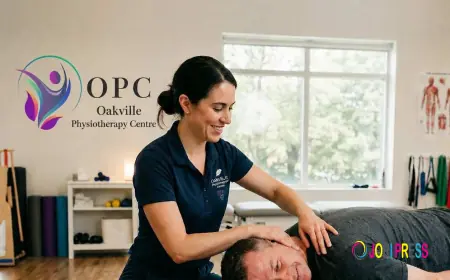
Stretching therapy is a session in which a trained therapist guides your body through targeted stretches, instead of you working through them alone. The aim is to improve flexibility, ease muscle tightness, and make everyday movement feel less restricted.
You may also see it called stretch therapy. The terms are used loosely, but the idea is the same: stretching done with another person’s skilled input, usually on a padded table or bench, with the therapist adjusting positions and intensity as you go.
It is a wellness service. It is not a medical treatment, and it does not replace a diagnosis or rehabilitation from a doctor or physiotherapist.
How Assisted Stretching Works
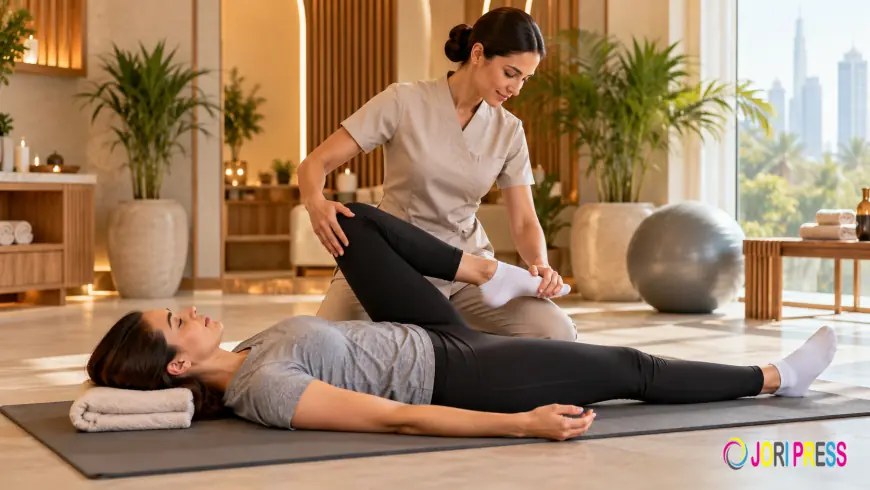
In assisted stretching, the therapist moves or supports your limbs while you stay relaxed. Because they hold the position, your muscles don’t have to work to stay in it, so you can often reach positions that are hard to get into alone.
Sessions often combine several approaches:
-
Passive static stretching: the therapist holds a stretch while the muscle relaxes.
-
PNF (proprioceptive neuromuscular facilitation): you gently push against the therapist for a few seconds, then relax and move a little deeper. Physiotherapists and sports trainers use this technique.
-
Dynamic mobility work: slow, controlled joint movements, typically around the hips, shoulders and spine.
-
Thai-inspired positions: assisted postures for the back, hips and legs.
A good therapist will ask about your lifestyle, tight areas and past injuries first, and will check in on comfort throughout.
Self-Stretching vs. Assisted Stretching
Self-stretching is free, flexible and worth doing. Its limits are practical. It is hard to stretch your own back or hamstrings deeply while also keeping the rest of your body relaxed, and many people stop at the first sign of discomfort or don’t know which position suits them.
Assisted stretching adds a second set of hands and a trained eye. The therapist can help you reach positions you can’t hold alone, and they can adjust the angle and pressure in real time. The trade-off is that it takes booking and a fee, so many people use it alongside a home routine instead of replacing it.
When Guided Stretching Might Make Sense
Guided stretching is not only for athletes. It can suit:
-
Desk workers whose necks, shoulders and hips feel tight after long days.
-
Gym-goers, runners and padel players who want to loosen up between sessions.
-
Parents, commuters and homemakers who spend hours bending, carrying or standing.
-
Beginners who have never stretched properly and want to learn what a comfortable stretch feels like.
No results are guaranteed, and responses vary. If you have an injury, a recent surgery or a medical condition, speak to your doctor before booking.
Choosing a Stretching Service in Dubai
A search for stretching near me can return everything from gyms to spas, so a few questions help you compare:
-
What does a session involve? Look for a clear explanation of the techniques and the structure of the session.
-
Is there an initial conversation? A therapist should ask about your goals, tight spots and injuries before starting.
-
Can you control the intensity? A stretch should feel deep but never painful, and you should be able to ask the therapist to slow down.
-
Is the session length flexible? A short session can suit a quick reset, while a longer one allows more detailed work.
-
Are the practical details clear? Check what to wear, whether the session is done clothed, and how booking works.
Comfort matters as much as technique. If you feel rushed or unable to speak up, it is the wrong fit.
Stretching Therapy in JVC
For readers in or around Jumeirah Village Circle, Wellness Haven is a wellness centre in JVC, Dubai, that offers assisted stretching sessions alongside its massage and spa services. According to its service page, sessions combine passive stretching, PNF, dynamic mobility work and Thai-inspired positions, and are done fully clothed with no oil.
Session lengths range from short desk-stiffness resets to longer mobility-focused sessions, and some options pair stretching with a sports massage. The page also lists a home service option. Because availability and options can change, check the page or contact the team directly for current details.
If you are weighing up cost, it also helps to look at what is currently on offer. Many centres run promotions or session packs, and Wellness Haven lists its current offers on a separate page. Terms and eligibility can change, so confirm the details before you book.
Frequently Asked Questions
What is stretching therapy?
Stretching therapy is a guided session where a trained therapist moves your body through targeted stretches to improve flexibility and ease tightness. It is a wellness service rather than a medical treatment.
How does assisted stretching work?
In assisted stretching, a therapist supports or moves your limbs while you relax, so your muscles don’t have to hold the position. Techniques may include passive holds, PNF and slow mobility movements.
What is the difference between self-stretching and assisted stretching?
Self-stretching relies on your own effort and judgement, while assisted stretching adds a therapist who guides positions and adjusts intensity. Many people use both.
Who may benefit from guided stretching?
Desk workers, regular exercisers, parents, commuters and beginners often try it, particularly if they feel stiff or tight. Anyone with an injury or medical condition should check with a doctor first.
How often should stretching be part of a routine?
It depends on your goals. Wellness Haven suggests a weekly session for those working on flexibility, and a monthly one is enough for general maintenance. Short daily stretches at home can fill the gaps.
Where can someone find stretching therapy in JVC, Dubai?
Wellness Haven offers assisted stretching in Jumeirah Village Circle. Its service page lists session types and contact details, and it’s worth comparing a few providers on approach and comfort.
A Practical Takeaway
Flexibility is rarely about doing the most extreme stretch. It’s about finding a routine you can keep up and a level of guidance that suits your body. Whether that means ten minutes at your desk, a weekly guided session, or both, the best choice is the one you will do regularly.
What's Your Reaction?
 Like
0
 Dislike
0
 Love
0
 Funny
0
 Angry
0
 Sad
0
 Wow
0