






































Solar System Overload with Appliances? Balance It Smartly
Installing solar is one of the most effective ways to reduce electricity bills and gain greater control over household energy costs. However, many homeowners start worrying when they add new appliances and notice their electricity consumption increasing.
Installing solar is one of the most effective ways to reduce electricity bills and gain greater control over household energy costs. However, many homeowners start worrying when they add new appliances and notice their electricity consumption increasing.
A common question that comes up is:
“Can too many appliances overload my solar system?”
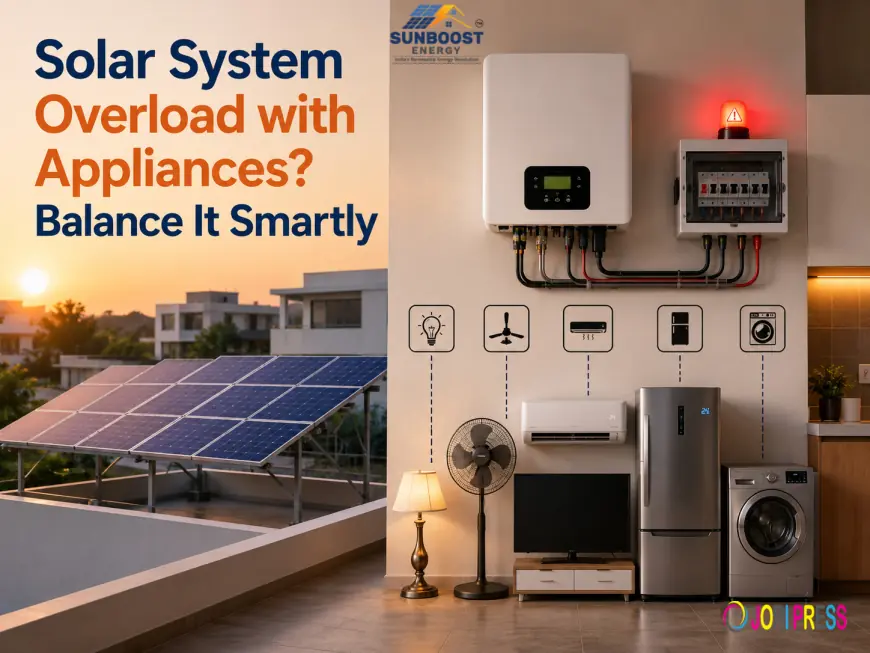
The answer depends on your system size, energy usage habits, and how electricity is consumed throughout the day. While a solar system doesn’t usually get “overloaded” in the traditional sense, excessive power demand can lead to higher grid consumption, lower savings, and confusion about whether the solar installation is performing as expected.
The good news is that with a few smart adjustments, you can balance your energy usage and get the most out of your solar investment.
Understanding How Solar Power Works
A Rooftop Solar System generates electricity when sunlight hits the solar panels. The power produced is then used by appliances running in your home, while any additional requirement is supplied by the electricity grid.
Many homeowners assume that once solar is installed, they can run unlimited appliances without affecting their electricity bill. Unfortunately, that’s not always the case.
Every solar system is designed based on estimated electricity consumption. If your usage increases significantly after installation, your savings may not be as high as originally expected.
What Causes Solar System Overload?
In most homes, solar systems are not damaged by appliance usage. Instead, the issue occurs when electricity demand becomes much higher than the solar generation capacity.
Common reasons include:
- Adding multiple air conditioners
- Purchasing new appliances
- Installing electric vehicle chargers
- Increased work-from-home usage
- Running high-power appliances simultaneously
- Expanding the household
When consumption grows faster than solar production, the home begins drawing more electricity from the grid.
As a result, homeowners may feel their solar system is not performing efficiently.
Signs Your Solar System May Be Struggling to Meet Demand
Some indicators include:
- Higher electricity bills despite having solar
- Frequent grid power usage
- Increased monthly consumption
- Solar generation remaining constant while usage rises
- Reduced expected savings
Many people initially suspect technical issues, but in reality, the problem is often increased appliance usage rather than system failure.
However, if solar production itself drops unexpectedly, it could indicate maintenance or performance-related solar panel problems that should be investigated.
Appliances That Consume the Most Electricity
Not all appliances have the same impact on your solar system.
Some of the highest electricity consumers in Indian households include:
Air Conditioners
AC units are often the largest contributors to electricity bills, especially during summer.
Water Heaters
Electric geysers can consume substantial power if used frequently.
Refrigerators
While efficient models consume less electricity, older units can increase overall usage significantly.
Washing Machines and Dryers
Frequent use adds to daily power demand.
Electric Vehicle Chargers
As EV adoption grows in India, charging requirements are becoming a major factor in household energy planning.
Smart Ways to Balance Appliance Usage
Run Heavy Appliances During Daylight Hours
One of the easiest ways to maximize solar benefits is to use high-consumption appliances when solar generation is at its peak.
Ideal daytime usage includes:
- Washing machines
- Dishwashers
- EV charging
- Water heaters
Using these appliances during solar production hours reduces dependence on grid electricity.
Avoid Running Everything Together
Running multiple high-power appliances simultaneously can increase demand significantly.
For example:
- AC + Washing Machine + Geyser + EV Charging
This combination can create a temporary spike in electricity consumption that exceeds solar generation.
Spacing appliance usage throughout the day helps improve energy balance.
Monitor Your Energy Consumption
Many modern inverters provide real-time generation data through mobile applications.
Tracking:
- Daily generation
- Grid import
- Household consumption
can help identify whether rising bills are caused by higher usage or reduced solar production.
Upgrade to Energy-Efficient Appliances
Replacing older appliances with energy-efficient models can significantly reduce electricity demand without affecting comfort.
Look for:
- High star-rated ACs
- Inverter refrigerators
- Efficient water pumps
- Energy-saving lighting
These upgrades improve overall solar savings.
When Should You Upgrade Your Solar System?
If electricity consumption has increased substantially since installation, expanding your solar capacity may be worth considering.
Typical reasons include:
- Addition of multiple ACs
- New family members
- EV ownership
- Home office setup
- Home expansion
A professional assessment can determine whether your existing system is still aligned with your current energy requirements.
Why Regular System Checks Matter?
Sometimes homeowners blame appliance usage when the actual issue is poor system performance.
Dust accumulation, shading, inverter issues, and wiring faults can all reduce solar output.
Routine inspections help ensure your system is generating the electricity it was designed to produce.
An experienced solar provider such as Sunboost Energy can evaluate both your system performance and energy consumption patterns to identify opportunities for better savings.
Simple Habits That Improve Solar Savings
A few small changes can make a noticeable difference:
- Run appliances during daylight hours
- Monitor solar generation regularly
- Clean panels periodically
- Upgrade inefficient appliances
- Avoid unnecessary standby power consumption
- Schedule annual system inspections
These habits help maximize the value of your solar investment without requiring major upgrades.
Final Thoughts
A growing number of appliances doesn’t necessarily mean your solar system has failed. In most cases, it simply means your energy consumption has changed since the system was originally installed.
Understanding how and when electricity is used can help you balance household demand more effectively and improve long-term savings.
By monitoring consumption, using appliances strategically, and maintaining your solar system properly, you can continue enjoying lower electricity bills and better performance for years to come. The goal isn’t just generating solar power it’s using it smartly.
What's Your Reaction?
 Like
0
Like
0
 Dislike
0
Dislike
0
 Love
0
Love
0
 Funny
0
Funny
0
 Angry
0
Angry
0
 Sad
0
Sad
0
 Wow
0
Wow
0