





































Smart Roofs of 2026: The New Standard for Sydney’s Urban Infrastructure
Explore how smart roofs and precision gutter installation are redefining Sydney’s 2026 skyline. Learn about IoT sensors, BIPV solar tiles, and urban cooling tech.

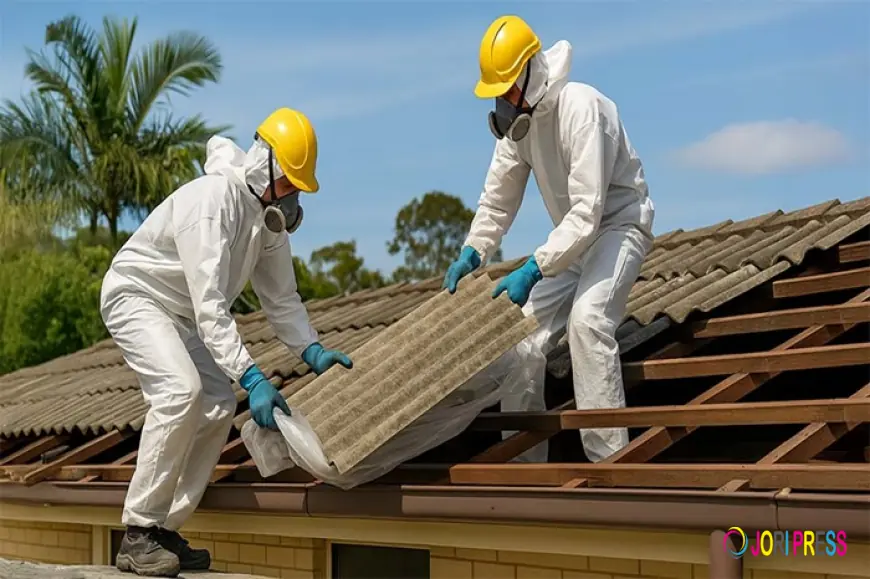
The landscape of modern living is shifting from the ground up—or more accurately, from the roof down. As we navigate through 2026, the architectural philosophy of the New South Wales capital has moved beyond mere aesthetics toward a "performance-first" model. For the contemporary homeowner, the rooftop is no longer a passive structure but a critical asset in the home's energy and water management ecosystem. This technological integration begins with precision engineering; a professional
1. The Integration of Intelligent Materials
In the past, roofing materials were chosen primarily for their color or durability. In 2026, material science has introduced "Adaptive Shingles." These are roofing components infused with phase-change materials (PCMs) that can absorb, store, and release heat.
During the peak of a scorching afternoon, these shingles absorb thermal energy, preventing it from penetrating the building's interior. As the temperature drops in the evening, the stored heat is slowly released, maintaining a consistent internal climate. This passive thermal regulation reduces the strain on the local power grid, which is a vital consideration for high-density urban corridors.
2. IoT and the "Self-Healing" Roof
The most profound shift in 2026 is the democratization of the Internet of Things (IoT) in residential construction. We are seeing a surge in "Self-Diagnostic" roofs. These systems utilize a network of embedded sensors that monitor the structural health of the roof in real-time.
How it Works:
-
Early Detection: Micro-sensors detect the presence of moisture under the roofing membrane long before a visible leak appears.
-
Structural Alerts: Accelerometers can measure the impact of hail or falling debris, automatically sending a report to the homeowner’s insurance provider if the impact exceeds safety thresholds.
-
Maintenance Automation: The system notifies local contractors when debris buildup reaches a level that threatens drainage, ensuring that maintenance is always proactive.
3. Solar 2.0: Building-Integrated Photovoltaics (BIPV)
The visual profile of the city is changing as traditional solar panels give way to Building-Integrated Photovoltaics (BIPV). In 2026, the solar roof is no longer an "attachment"—it is the roof itself. These solar tiles mimic slate, terracotta, or asphalt, allowing homeowners in heritage-listed areas to generate green energy without compromising the historical integrity of their neighborhoods.
These systems are now more efficient than their 2020 predecessors, boasting conversion rates of over 22%. Furthermore, they are designed to be "plug-and-play," meaning individual tiles can be replaced easily if damaged, rather than requiring the removal of an entire array.
4. The Cooling Effect: Albedo and Urban Health
As temperatures rise, the "Urban Heat Island" effect has become a primary concern for city planners. To combat this, the 2026 skyline is turning white—or more specifically, "Ultra-White."
New high-albedo coatings are now standard for commercial and high-rise developments. These surfaces reflect up to 98% of solar radiation back into space. When applied collectively across a neighborhood, these smart coatings can lower the ambient outdoor temperature by several degrees. This not only makes the streets more walkable during summer but also significantly reduces the energy required for air conditioning in surrounding buildings.
5. Regenerative Water Harvesting
Water security remains a cornerstone of the 2026 infrastructure pivot. Modern roofs are now designed as "Catchment Powerhouses." The water collected is no longer just funneled away; it is purified and repurposed through integrated gray-water systems.
Smart filtration systems built into the guttering can identify the quality of the water in real-time. During the "first flush" of a storm, the dirtiest water is diverted to the sewer. Once the sensors detect pure rainwater, the flow is redirected into pressurized storage units. This water then fuels smart irrigation systems that use satellite data to determine exactly how much water the garden needs, preventing any waste of this precious resource.
6. The Economic Reality of Smart Roofing
While the upfront investment in smart roofing technology is higher than traditional methods, the long-term ROI is undeniable. Real estate trends in 2026 show that properties equipped with these "future-proof" systems command a 12% to 18% premium on the market.
Beyond resale value, the immediate savings on utility bills and insurance premiums make these systems financially viable for the middle-class homeowner. Most smart roof installations in the current market pay for themselves within seven to nine years through energy savings and the prevention of major structural repairs.
7. A Sustainable Vision for the Future
The evolution of our rooftops represents a broader shift in how we view our relationship with the environment. We are moving away from structures that merely withstand the elements and toward buildings that actively contribute to the ecosystem. By generating power, cooling the air, and harvesting water, our homes are becoming part of the solution to climate change.
This transformation is not just limited to new builds. Retrofitting existing structures with smart sensors and reflective coatings is becoming a major industry, ensuring that older neighborhoods can also benefit from these advancements. As we look toward the 2030s, the intelligence embedded in our roofs will be the backbone of a truly sustainable and resilient
What's Your Reaction?
 Like
0
Like
0
 Dislike
0
Dislike
0
 Love
0
Love
0
 Funny
0
Funny
0
 Angry
0
Angry
0
 Sad
0
Sad
0
 Wow
0
Wow
0