






































Sliding Wardrobe Doors: What a Designer Notices Before Anyone Else Does
An interior designer reveals what wardrobe door choices say about a home's design thinking. Sliding wardrobe doors signal careful space planning, while hardware quality determines long-term performance. A designer's insider perspective on why this overlooked detail deserves far more attention than it usually gets.

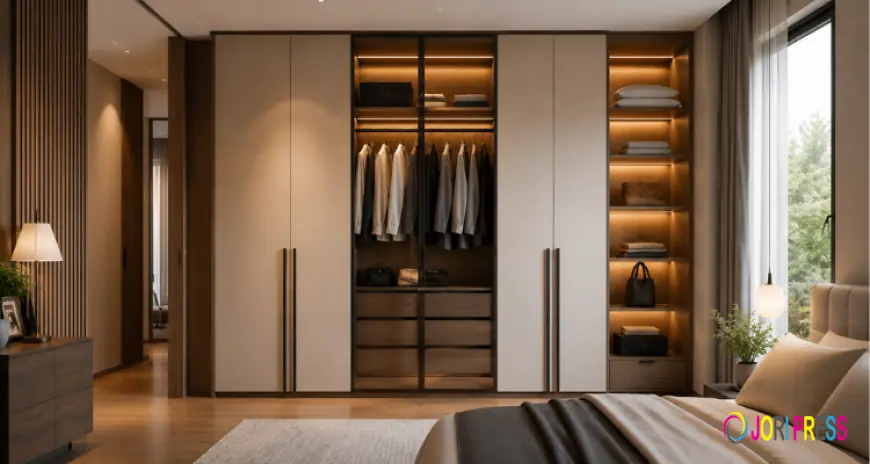
In my time as an apprentice for an interior designer, a friend of mine once confided in me something interesting. There isn't much she can't spot in a room after just ten seconds, and the thing that gives it away whether the design of the wardrobe was carefully considered or just added at the last minute to complete the budget is usually the door.
Not the material used or the color. The mechanics. Whether the person designing really gave any consideration to sliding wardrobe doors versus hinged doors.
The First Thing She Looks At
Her eye zeroes in on floor clearance. There has to be floor clearance for a swinging door to work. And in most bedrooms she has entered throughout the years, that floor clearance just isn’t there, requiring the rearrangement of furniture just so that an almost never-used door can swing.
Sliding wardrobes, she knows, usually mean that some measurements and considerations of traffic flow were made before deciding on that particular type of wardrobe. It’s a little technical detail, yet it makes a big difference to someone who is experienced in understanding spaces within seconds.
Why She's Stopped Assuming Sliding Means Basic
A few years back, she says, she saw sliding doors as something that had a little less appeal and was a little more practical in appearance, something old-fashioned when it came to mirrors, something a little awkward-looking when it came to frames. Things have changed, however. Today’s sliding wardrobe doors are much different,
as are their finishes. They work well with modern interior decorating schemes, and not as a last resort kind of thing.
The Terminology Gap She Navigates Constantly
One of her responsibilities is to act as an interpreter between what the client wants and what the contractor builds. She finds that many clients want a sliding closet door while the contractors may call this same item using different names based on their cultural backgrounds. She takes this issue to be purely one of language and not a distinction and ensures that they all mean the same item before any misunderstanding arises.
Why She Rarely Recommends Standard Sizing Anymore
One of the most strongly held views that she has formed over time from her numerous projects is that standard-sized wardrobes do not usually fit rooms as perfectly as one might think. This is because walls are never the exact width that is supposed to be assumed when looking at a catalogue, and even slight differences will affect the overall look of the room after installing all furniture items.
This is why she prefers to choose sliding door wardrobes that are made via the custom-made sliding wardrobes process more often than not. This difference may not seem big in just one picture, but it is evident in how "finished" a room looks once you stand inside of it.
The Detail Clients Often Forget to Ask For
There is a pattern she’s seen when people are working on lower budgets. The first thing that goes in this case is usually mirror panels, and this, in her view, is an error. In cases where a wardrobe with mirrors has been designed, you don’t even need a separate full-length mirror because every bedroom requires one. All you have done is moved the cost elsewhere in the bedroom.
What She Checks That Most Clients Don't Think to Ask About
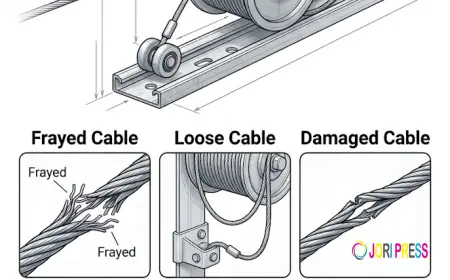
Apart from the aesthetics of the wardrobe, she always insists on the sliding track and its quality before settling on any recommendation for her clients. It is the only component of the design that is never questioned by the clients because it is hidden inside the wardrobe. However, she has had too many instances of badly made tracks failing within a few months to make her advocate against it at all costs.
Her general principle after a lot of projects is simple – pay a little extra for the mechanism, but maybe save money on the finish of the panels. The finish will be the first thing that the client sees when the wardrobe arrives. The mechanism will decide if it works properly three years later.
Reading a Room Through Its Storage Choices
The thing that stood out the most during our discussion was how one simple design choice could give us insights into the whole process of thought that went into the creation of a space. This is certainly not the most eye-catching aspect of a bedroom, but for someone who knows what to look for, it is often the clearest indication of whether a room is designed or merely decorated.
A Decision Worth More Attention Than It Usually Gets
When it comes to advice on renovating a bedroom, it appears to be rather similar in all cases, no matter what budget you have at your disposal. Plan the mechanism of opening the wardrobe door before you choose everything else. Have in mind the real height of the floor, the lifestyle of your family, and whether you will need a mirrored panel inside the room.
All of the above does not require big money to do it correctly. What it requires is taking into account small details the same way as when choosing flooring or painting your room, which is rarely done during the majority of renovations.
If you decide to build such a wardrobe in your bedroom, it is worth checking out SELATO's options. They create a sliding wardrobe based on the exact measurements of the room and its design.
What's Your Reaction?
 Like
0
Like
0
 Dislike
0
Dislike
0
 Love
0
Love
0
 Funny
0
Funny
0
 Angry
0
Angry
0
 Sad
0
Sad
0
 Wow
0
Wow
0