






































What Is Sistering a Joist?
Sistering floor joists can strengthen sagging or damaged floors without full replacement. Find signs of joist damage, repair methods, crawl space considerations, and key cost factors.

If your floors feel soft, bouncy, or uneven, damaged floor joists are often the cause. Sistering joists is one of the most reliable methods for repairing or reinforcing weak floor framing without replacing the entire floor structure. This guide explains what sistering a joist means, when your home needs it, how the process works in a crawl space, and what it costs. If you are a homeowner dealing with sagging floors or moisture damage below your home, this guide is for you.
What Is Sistering a Joist?
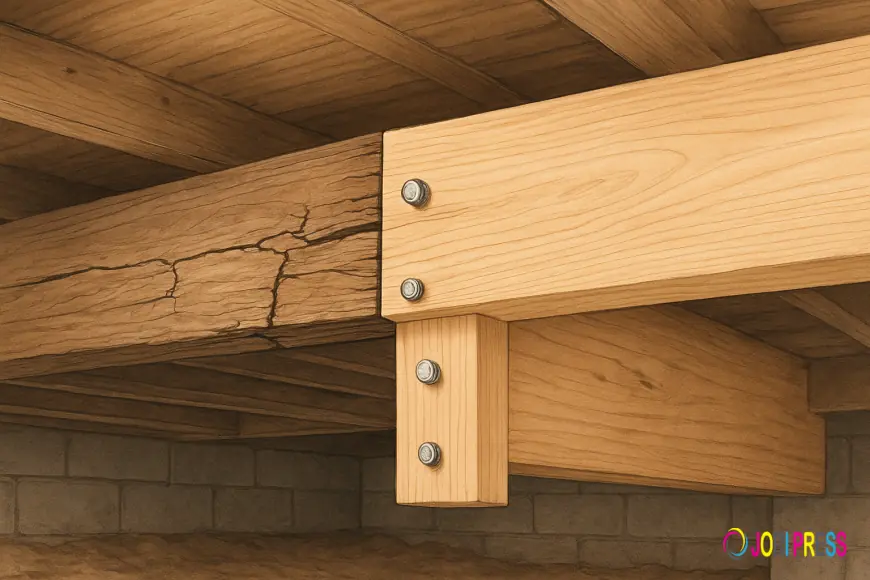
Sistering a joist means attaching a new piece of lumber directly alongside a damaged or weakened floor joist. The new board runs parallel to the existing joist and is fastened tightly against it. The two boards then work together to carry the load of the floor above.
The term "sistering" comes from the idea of pairing two boards side by side, the way siblings stand next to each other. The new board takes on the structural load the damaged joist can no longer handle alone.
Sistering floor joists does not remove the damaged joist. Instead, it reinforces it by transferring the weight to the new, stronger board beside it.
Why Do Floor Joists Need Sistering?
Floor joists fail for several reasons. Understanding the cause helps determine whether sistering is the right repair.
Common reasons floor joists need repair:
-
Moisture damage and rot from crawl space humidity or flooding
-
Pest damage from termites, carpenter ants, or wood-boring beetles
-
Age-related weakening in homes built 40 or more years ago
-
Notching or drilling during plumbing or electrical work that removed too much wood
-
Overloading from heavy appliances, safes, or structural changes above
-
Cracks or splits from settling or impact damage
According to the American Society of Home Inspectors, moisture-related structural damage in crawl spaces is one of the most frequently cited issues in home inspections across the United States. Sistering floor joists in a crawl space is the most common application of this repair technique because crawl spaces are where moisture damage typically starts.
What Are the Signs That You Need Sister Joist Repair?
Direct answer: If your floor bounces, sags, or feels soft in certain spots, you likely have damaged joists that need attention.
Warning signs to watch for:
-
Floors that flex or bounce when you walk across them
-
Visible sagging or dips in the floor surface
-
Squeaking that worsens over time
-
Gaps forming between the floor and baseboards or walls
-
Visible rot, discoloration, or insect damage on joists visible from the crawl space
-
Doors or windows that no longer open and close properly due to floor movement
If you see any of these signs, have a structural contractor or foundation specialist inspect the joists before the damage spreads to the subfloor or walls above.
What Is the Best Way to Sister a Floor Joist?
The best way to sister a floor joist is to use a new piece of lumber that matches the original joist size, run it the full length of the damaged joist, and fasten it with structural screws or nails at regular intervals.
Here is how the process works:
Step 1: Access the Joists
Most sister joist repair work happens from the crawl space below the floor. The technician inspects each joist to identify the extent of damage before starting work.
Step 2: Measure and Cut the Sister Board
The new board is cut to match the length of the damaged joist. Where possible, the sister board runs the full span from beam to beam. Partial sistering, where only the damaged section is reinforced, is acceptable when the rest of the joist is solid.
Step 3: Position the Sister Board
The new board is held flush against the existing joist, top edge aligned with the top edge of the original joist. This alignment is important because the floor decking rests on top of both boards.
Step 4: Fasten the Boards Together
Structural screws or 16d nails are driven through both boards at regular intervals, typically every 12 to 16 inches in a staggered pattern. Some contractors use construction adhesive along with fasteners for additional strength.
Step 5: Check for Level
After fastening, the floor above is checked for levelness. If the original joist sagged before sistering, blocking or jacking may be needed to restore the floor level before the sister board is attached.
Step 6: Address the Root Cause
Sistering floor joists solves the structural problem but does not fix the underlying cause. If moisture caused the original damage, waterproofing the crawl space is essential to prevent the new boards from suffering the same fate.
Sistering Floor Joists in a Crawl Space: What Makes It Different?
Sistering floor joists in a crawl space presents specific challenges compared to a full basement repair.
-
Limited clearance makes it harder to maneuver long boards into position
-
High humidity in unencapsulated crawl spaces speeds up new wood degradation if the moisture source is not addressed
-
Access points to the crawl space must be large enough to pass lumber through
-
Encapsulation or drainage systems are often recommended alongside the repair
Tri-State Waterproofing works on sistering floor joists in crawl spaces as part of a broader approach to crawl space health. Structural repairs paired with moisture control deliver longer-lasting results than framing repairs alone.
Sistering Floor Joists vs. Full Joist Replacement
|
Factor |
Sistering Floor Joists |
Full Joist Replacement |
|
Invasiveness |
Low, done from crawl space |
High, may require floor removal |
|
Time required |
Hours per joist |
Days for full replacement |
|
Cost |
Lower |
Higher |
|
Best for |
Partial damage, rot, cracks |
Completely failed joists |
|
Structural result |
Strong, load-sharing repair |
New framing from scratch |
|
Crawl space access |
Required |
Required or floor above |
Full joist replacement is only necessary when a joist is so badly damaged that a sister board would have nothing solid to attach to. In most cases, sistering is the faster and more cost-effective solution.
How Much Does Sistering Floor Joists Cost?
Note to editor: No specific figures per content guidelines. Cover cost factors only.
Factors that affect the cost of floor joist repair sistering:
-
Number of joists that need repair
-
Length of each joist span
-
Crawl space height and accessibility
-
Whether partial or full-length sistering is needed
-
Lumber type and size required
-
Whether jacking to restore level is needed before sistering
-
Whether crawl space waterproofing or encapsulation is done at the same time
-
Labor rates in your local area
Getting a professional inspection first gives you an accurate scope of the damage and a realistic repair estimate.
Can You Sister Floor Joists Yourself?
Direct answer: Technically yes, but it is not recommended for most homeowners.
Reasons DIY sistering floor joists is risky:
-
Incorrect lumber sizing reduces the structural benefit of the repair
-
Poor fastening patterns leave the sister board unable to carry the load
-
Working in a crawl space with limited lighting and tight clearance increases the chance of injury
-
Moisture damage may extend further than what is visible without experience
-
Missing the root cause means the new boards will fail the same way
Structural repairs affect the safety of your home. A licensed contractor ensures the repair meets local building codes and addresses all damaged sections correctly.
How Tri-State Waterproofing Can Help
At Tri-State Waterproofing, we handle crawl space inspections, structural sistering floor joist repairs, and full crawl space waterproofing and encapsulation. We identify the cause of joist damage before we repair it, which means the repair holds long-term.
If your floors are bouncing, sagging, or showing signs of moisture damage below, contact Tri-State Waterproofing for a crawl space assessment. We serve homeowners across the region with complete structural and moisture control solutions.
Key Takeaways
-
Sistering a joist means fastening a new board alongside a damaged floor joist to restore structural strength without removing the original.
-
Moisture, rot, pests, and overloading are the most common reasons floor joists need sister joist repair.
-
Sistering floor joists in a crawl space is the most frequent application and requires addressing the moisture source at the same time.
-
The best way to sister a floor joist is a full-length installation fastened with structural screws at regular intervals and checked for level.
-
Floor joist repair sistering is more cost-effective than full replacement in most cases where partial damage is present.
Frequently Asked Questions
What is sistering a joist and how does it work?
Sistering a joist means attaching a new piece of lumber directly alongside a damaged or weak floor joist. The two boards are fastened together so they share the structural load. The damaged joist stays in place while the new board carries the weight the original joist can no longer support on its own.
How do I know if my floor joists need sistering?
Soft spots, bouncy floors, visible sagging, and squeaking that worsens over time are the most common signs. Visible rot, insect damage, or cracks on the joists themselves when viewed from the crawl space confirm the need for sister joist repair.
How long does sistering floor joists last?
When done correctly with properly sized lumber and when the moisture source is addressed, sistered floor joists last as long as the original framing, typically the lifetime of the home. Sistering alone without fixing the cause of the damage leads to repeat failure.
Is sistering floor joists covered by homeowners insurance?
Coverage depends on the cause of the damage. Sudden events like flooding or storm damage may be covered. Gradual moisture damage or pest damage is typically excluded. Check your policy and have an inspection report ready when filing a claim.
Do I need a permit to sister floor joists?
In most jurisdictions, structural repairs including sistering floor joists require a building permit. Requirements vary by location and scope of work. A licensed contractor will handle the permit process and ensure the repair meets local building codes.
What's Your Reaction?
 Like
0
Like
0
 Dislike
0
Dislike
0
 Love
0
Love
0
 Funny
0
Funny
0
 Angry
0
Angry
0
 Sad
0
Sad
0
 Wow
0
Wow
0