










































Pancake Optical Module Issues Causing AR Image Distortion Today
Discover how pancake optical module technology improves AR display clarity, optical efficiency, image sharpness, and immersive visual performance.

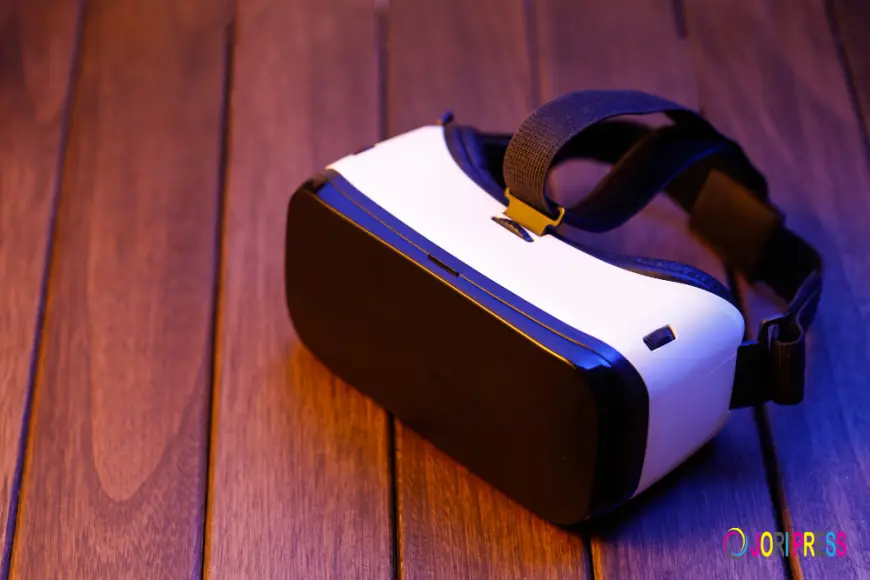
Augmented reality (AR) and virtual reality (VR) systems rely heavily on compact, high-performance optical components to deliver immersive visual experiences. One of the most important technologies enabling slim and lightweight headsets is the pancake optical module. However, many AR devices still face serious visual performance issues due to improper optical design, poor coating quality, or misalignment in pancake systems.
When a pancake optical module is not optimized correctly, users may experience reduced brightness, image blur, edge distortion, and limited field of view. These issues directly affect immersion quality and user comfort, especially in professional AR applications such as training, simulation, healthcare, and industrial visualization.
To address these challenges, manufacturers are developing advanced pancake optical module solutions designed for improved light folding efficiency, sharper image clarity, and reduced device size without compromising performance. As AR technology continues to evolve, high-precision optical modules have become essential for next-generation immersive devices.
What Is a Pancake Optical Module?
A pancake optical module is a compact optical system used in AR and VR headsets that utilizes multiple reflections between lenses and polarizers to “fold” the optical path. This allows manufacturers to design thinner and lighter head-mounted devices without sacrificing image quality.
The system typically combines:
- Polarizers
- Wave plates
- Reflective lenses
- High-precision optical coatings
By bouncing light multiple times inside the module, pancake optics significantly reduce device thickness while maintaining image clarity.
Common applications include:
- AR smart glasses
- VR headsets
- Mixed reality systems
- Simulation and training devices
- Medical visualization equipment
- Industrial design and visualization tools
The primary goal of a pancake optical module is to deliver high-quality visuals in a compact optical structure.
Common Problems in Pancake Optical Modules
Despite their advanced design, pancake optical systems can still suffer from performance issues if not engineered correctly.
Reduced Brightness Output
Multiple reflections inside the module can cause light loss, resulting in dimmer images.
Image Blur and Softness
Improper lens alignment can reduce sharpness and overall visual clarity.
Edge Distortion
Users may notice warping or distortion at the edges of the display field.
Ghosting Effects
Unwanted reflections between optical layers can create duplicate or faint images.
Narrow Field of View
Some designs may limit immersion by restricting viewing angles.
How Advanced Pancake Optical Module Technology Solves These Issues
Modern pancake optical modules are engineered to improve performance while maintaining compact design advantages.
High-Efficiency Light Transmission
Advanced coatings reduce reflection loss and improve brightness output across optical layers.
Precision Optical Alignment
Improved assembly accuracy ensures sharp and stable image projection.
Enhanced Image Sharpness
High-quality optical materials reduce blur and improve visual clarity.
Reduced Ghosting Artifacts
Optimized reflective structures minimize unwanted image duplication effects.
Wider and Stable Field of View
Advanced design improves immersion without increasing device size.
Industries Using Pancake Optical Modules
The demand for pancake optical modules is increasing as AR and VR technologies expand across industries.
Augmented Reality Devices
Used in lightweight AR glasses for immersive digital overlays.
Virtual Reality Headsets
Enables compact headset designs with high-quality visual output.
Medical Visualization Systems
Supports surgical planning, imaging, and real-time data visualization.
Industrial Training Systems
Used in simulation environments for equipment training and safety procedures.
Entertainment and Gaming
Enhances immersive gaming experiences with lightweight headsets.
Key Factors Businesses Must Evaluate
Selecting the right pancake optical module requires careful technical evaluation.
Optical Efficiency
High efficiency ensures better brightness and energy performance.
Coating Quality
Advanced coatings reduce reflection loss and improve image clarity.
Lens Alignment Accuracy
Precise alignment is critical for sharp and distortion-free visuals.
Thermal Stability
Stable performance under temperature variations ensures consistent output.
Mechanical Durability
Strong structure prevents misalignment during usage or movement.
Challenges in Pancake Optical Module Design
Despite advancements, several engineering challenges still exist.
Light Loss During Reflection
Each reflection inside the system reduces brightness efficiency.
Complex Manufacturing Process
Precise assembly and alignment increase production difficulty.
Cost Constraints
High-precision optical components increase overall system cost.
Best Strategy for High-Performance AR Systems
Businesses should not focus only on reducing cost when selecting optical modules. Poor-quality pancake optical systems can reduce user experience and device performance significantly.
The best strategy is to work with experienced optical manufacturers that provide:
- Precision optical engineering
- High-efficiency coating technology
- Stable alignment systems
- Advanced material selection
- Technical integration support
This ensures long-term reliability and high-quality visual performance.
Future of Pancake Optical Module Technology
The future of pancake optical modules is focused on improving brightness efficiency, reducing size, and enhancing immersive visual quality. As AR and VR devices evolve, optical systems must become lighter, brighter, and more energy efficient.
Future developments may include:
- Ultra-high efficiency reflective coatings
- Improved brightness retention systems
- Compact next-generation optical folding designs
- AI-assisted optical calibration systems
- Lightweight advanced optical materials
These innovations will support the next generation of AR/VR devices in consumer, industrial, and medical markets.
Conclusion
Low-quality pancake optical modules can lead to brightness loss, image distortion, ghosting, and reduced immersion in AR/VR systems. Advanced pancake optical technology solves these issues through improved light efficiency, better alignment precision, reduced distortion, and enhanced image clarity.
For businesses working in AR devices, VR headsets, medical visualization, and industrial simulation systems, selecting high-quality pancake optical module solutions is essential for achieving long-term performance and user satisfaction. As immersive technology continues to evolve, pancake optical systems will remain a core component of next-generation visual experiences.
What's Your Reaction?
 Like
0
Like
0
 Dislike
0
Dislike
0
 Love
0
Love
0
 Funny
0
Funny
0
 Angry
0
Angry
0
 Sad
0
Sad
0
 Wow
0
Wow
0