































NSW Land Tax Calculator: A Practical Guide for Property Investors
Land tax is one of the most overlooked holding costs for property investors in New South Wales. Many investors budget for loan repayments, council rates, insurance, property management and repairs, but they only think about land tax when a Revenue NSW assessment notice arrives.

Land tax is one of the most overlooked holding costs for property investors in New South Wales. Many investors budget for loan repayments, council rates, insurance, property management and repairs, but they only think about land tax when a Revenue NSW assessment notice arrives.
That can create cash flow pressure, especially for investors who own more than one property or hold land in a trust, company or family group. A practical NSW land tax calculator can help investors estimate whether land tax may apply before they buy, sell, refinance or restructure a property portfolio.
This guide explains how NSW land tax works, what value you should enter into a calculator, how thresholds apply, and why a calculator should be used as an estimate rather than a final assessment.
What Is NSW Land Tax?
NSW land tax is a state tax charged on the value of taxable land in New South Wales. It is separate from income tax, capital gains tax, stamp duty and council rates.
Revenue NSW explains that land tax is charged on the value of unimproved land. This means the value generally relates to the land itself, not the building, renovations or other improvements on the property. Revenue NSW also uses unimproved land values provided annually by the NSW Valuer General.
Land tax can apply to:
Investment properties
Vacant land
Holiday homes
Commercial property
Industrial property
Land held in certain trusts
Land owned by companies
Multiple NSW property holdings
Land tax generally does not apply to an exempt principal place of residence. However, investors should not assume every home-like property is exempt. If the property is rented, partly rented, owned by a trust, used for mixed purposes or affected by foreign owner rules, the position may need closer review.
How an NSW Land Tax Calculator Helps
A calculator helps you make a quick estimate before you make a bigger decision.
For example, you may want to know:
Whether buying another Sydney investment property may push you over the threshold
Whether your current taxable land value is close to the general threshold
How much land tax may apply if you keep a former home as a rental property
Whether a trust or company structure needs specialist review
How a future increase in land value may affect your annual holding cost
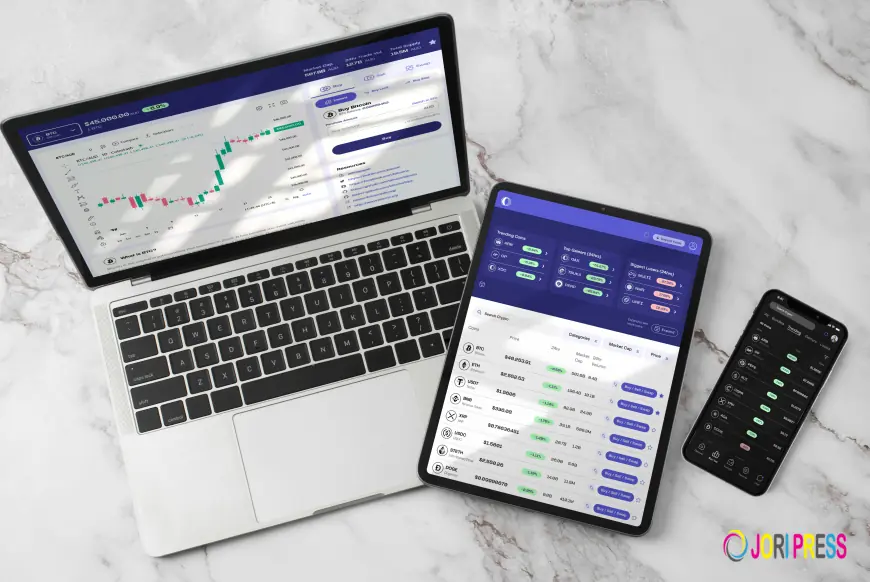
The NSW Land Tax Calculator is designed to help property investors estimate land tax before seeking tailored advice.
A calculator is useful because land tax is not always obvious from the market value of a property. A property may be worth $1.8 million, but the taxable land value may be much lower or higher depending on location, zoning and land component.
What Value Should You Enter?
The most common mistake investors make is entering the full market value of the property.
For NSW land tax, you generally need the taxable land value, not:
Purchase price
Market value
Building value
Loan balance
Rental income
Insurance replacement value
Renovation cost
Estimated sale price
You should usually enter the combined taxable land value of your taxable NSW properties.
Revenue NSW confirms the threshold is not applied to each property individually. It applies to the combined land value of all taxable NSW property you own.
This matters because one investor may own two properties that are individually below the threshold, but together they may cross the threshold.
Example:
Property 1 taxable land value: $650,000
Property 2 taxable land value: $550,000
Combined taxable land value: $1,200,000
Even though each property is individually below the general threshold, the combined taxable land value may create a land tax liability.
NSW Land Tax Thresholds and Rates
Revenue NSW states that from 1 January 2025, the general threshold is $1,075,000 and the premium threshold is $6,571,000.
The general land tax rate is:
$100 plus 1.6% of the land value above $1,075,000.
The premium rate is:
$88,036 plus 2% of the land value above $6,571,000.
These figures are important for calculator content because they directly affect whether an investor pays land tax and how much they may pay.
Simple Example: Combined Land Value of $1.5 Million
Assume your combined taxable NSW land value is $1,500,000.
General threshold: $1,075,000
Amount above threshold: $425,000
Rate: 1.6%
Calculation: $425,000 × 1.6% = $6,800
Add base amount: $100
Estimated land tax: $6,900
This is a simple estimate only. Your actual assessment can differ due to exemptions, surcharge land tax, trust ownership, company ownership, related owner rules or Revenue NSW adjustments.
Why Property Investors Should Calculate Land Tax Early
Land tax can affect investment decisions in several ways.
First, it changes holding cost. A property that looks cash flow neutral before land tax may become negatively geared after land tax.
Second, it affects portfolio planning. Buying one more property may push your combined land value over the threshold.
Third, it affects structure decisions. Trusts and companies may be treated differently from individuals. Revenue NSW states that the tax-free threshold does not apply to land owned as part of special or discretionary trusts.
Fourth, it affects exit strategy. If you keep a former home and rent it out, you may need to consider land tax as part of the long-term cost.
Revenue NSW Calculator vs Professional Advice
A calculator can estimate land tax, but it cannot replace advice for complex ownership situations.
Revenue NSW notes that its calculator cannot be used for land owned by related companies, discretionary trusts or special trusts.
Professional advice may be useful if:
You own multiple NSW properties
You hold land in a family trust
You hold land in a company
You are a foreign owner
You own property jointly with others
You have recently moved out of a home
You disagree with an assessment notice
You are planning to buy, sell or restructure
The goal is not only to calculate the number. The goal is to understand what the number means for your cash flow, tax planning and ownership structure.
Practical Checklist Before Using a Calculator
Before using a calculator, prepare:
Your taxable land value
A list of all taxable NSW properties
Ownership details for each property
Trust or company information if relevant
Any exemption details
Recent Revenue NSW assessment notices
Foreign owner status if relevant
Then use the calculator as a planning tool.
Conclusion
An NSW land tax calculator can help property investors estimate land tax and understand whether their portfolio may be above the threshold. The key is to use the correct value: combined taxable NSW land value, not market value and not each property separately.
For simple individual ownership, a calculator may give a useful estimate. For trusts, companies, multiple owners, foreign owners or investors near the threshold, professional advice can help avoid costly assumptions.
Use the Investax NSW Land Tax Calculator to estimate your potential land tax, then seek tailored advice if your structure or property position is complex.
J. FAQ Section
What is an NSW land tax calculator?
It is a tool that estimates land tax based on your taxable NSW land value and the current land tax thresholds and rates.
Is land tax calculated on each property separately?
Generally no. Revenue NSW applies the threshold to the combined land value of your taxable NSW property, not each property individually.
Does land tax apply to my home?
Land tax generally does not apply to an exempt principal place of residence, but conditions apply.
Should I enter property value or land value?
You should enter taxable land value, not the full market value of the property.
Do trusts get the land tax threshold?
Special and discretionary trusts may not receive the tax-free threshold, so specialist advice is important.
What's Your Reaction?
 Like
0
Like
0
 Dislike
0
Dislike
0
 Love
0
Love
0
 Funny
0
Funny
0
 Angry
0
Angry
0
 Sad
0
Sad
0
 Wow
0
Wow
0