








































Movers and Storage Singapore: How to Choose, Prepare and Budget for Storage During a Move
Planning a move that needs storage? Learn how to choose a unit, prepare belongings, coordinate the move and understand costs with movers and storage in Singapore.

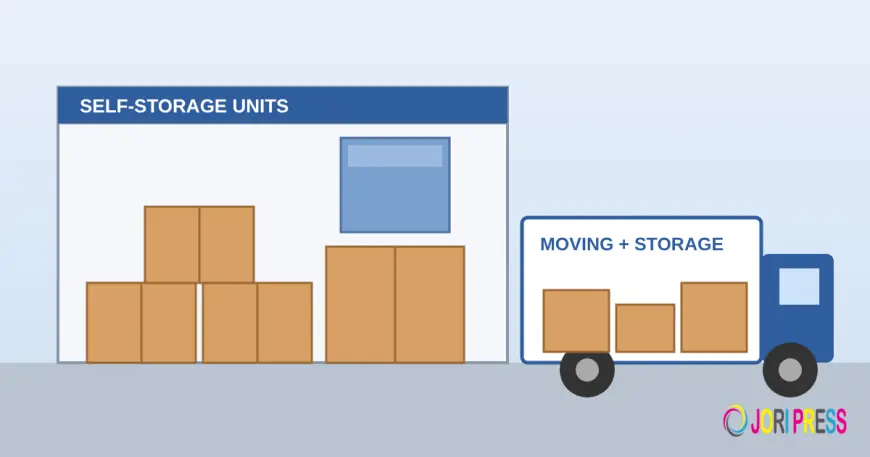
Moving in Singapore rarely lines up neatly with key collection dates. Renovations overrun, a new flat turns out smaller than the old one, or a business downsizes its office. In each case, short-term storage can bridge the gap. If you are comparing options for movers and storage in Singapore, this guide explains how to choose a unit, prepare your belongings, coordinate the move and understand what shapes the final cost.
Why Pair a Move with Storage?
Storage helps when your belongings need somewhere to go between homes, when you are decluttering before a sale, or when seasonal and business items take up space you need daily. Because a move already involves loading, transport and unloading, adding a storage stop is often simpler than arranging two separate services.
How to Choose the Right Storage Space
Start with size
The most common mistake is guessing. List what you plan to store, such as boxes, a sofa, a bed frame or filing cabinets, and ask the provider to recommend a size. Unit sizes vary by company; The Trio Movers, for instance, lists options from 5 ft x 5 ft up to 12 ft x 22 ft. A smaller unit works for boxes and a few pieces of furniture, while a full household usually needs a larger one.
Check security and access
Do not assume every facility offers the same protection. Ask directly about locks, CCTV, on-site monitoring and who can enter the premises. Also confirm how access works: whether you must book a visit in advance, which days and hours are available, and whether staff are on hand to help.
Think about location and duration
A convenient location saves time if you will visit often. Also decide how long you expect to store items. Many people only need a few weeks, so choose a provider whose terms match a short stay and ask whether you pay only for the period you use.
If you are storing for a business, the same logic applies. Archive boxes, stationery and spare equipment are easier to manage when they are grouped by department or project and listed in a simple spreadsheet, so staff can request exactly what they need.
Preparing Your Belongings for Storage
Good preparation protects your items and makes the unit easier to use.
- Clean and dry everything. Wipe furniture and let it dry fully, since Singapore's humidity can encourage mould on damp items.
- Disassemble where possible. Taking apart bed frames and tables saves space. Keep screws in labelled bags taped to the furniture.
- Use sturdy boxes and label them. Write the room and contents on every side so you can find things later.
- Wrap fragile items. Use packing paper or bubble wrap, and cover mattresses and sofas with protective sheeting.
- Keep a simple inventory. A list or photos help if you need to retrieve something or make a claim.
Avoid storing perishable food, plants or anything that is flammable or prohibited by the facility. Ask for the provider's list of restricted items before packing.
Coordinating Moving and Storage
Timing is where most problems start. Confirm your move date, the storage start date and any building rules, such as lift booking or loading-bay hours, well before moving day. Many households prefer to book movers and storage Singapore services from one company, so the crew, the truck and the storage unit are planned together. The Trio Movers, for example, offers storage space rental alongside its residential and commercial moving services.
Whichever route you choose, load items you will need first near the front of the unit, leave a small walkway, and keep your inventory somewhere you can reach it.
What Affects the Cost?
Prices differ between providers, so request a written quote rather than relying on estimates. The main factors usually include:
- The size of the unit and the volume of items.
- How long you store them.
- The distance, access conditions and manpower needed for the move, including stairs or long carry distances.
- Packing materials and any packing or disassembly help.
- Whether moving and storage are bundled or booked separately.
Questions to Ask Before You Book
Can I change the unit size later? Ask whether you can upgrade or downgrade if your needs change.
Is there a minimum rental period? Confirm this in writing, especially for short stays.
What happens if something is damaged? Ask how claims are handled and what coverage applies.
How do I access my items? Check booking requirements and operating hours.
Final Thoughts
Storage works best when it is planned alongside the move rather than added at the last minute. Measure your needs, ask clear questions about security and access, prepare items carefully and get a written quote. Before signing, read the rental terms carefully and keep a copy. A little planning keeps your belongings safe and your relocation on schedule.
What's Your Reaction?
 Like
0
 Dislike
0
 Love
0
 Funny
0
 Angry
0
 Sad
0
 Wow
0