





































Mold Inspection and Remediation: The Key to a Safe and Healthy Property
Mold growth is one of the most common environmental issues affecting residential and commercial buildings

Mold growth is one of the most common environmental issues affecting residential and commercial buildings. It can develop quickly in damp areas and often remains hidden until significant damage has already occurred. Property owners who work with environmental professionals such as QualTeck Long Island understand the importance of early mold detection and proper remediation. Addressing mold problems promptly not only protects building structures but also helps maintain a healthier indoor environment for occupants.
Understanding Mold and Why It Develops
Mold is a type of fungus that thrives in environments where moisture and organic materials are present. Mold spores naturally exist in the air and can settle on surfaces throughout a building. When moisture becomes available, these spores begin to grow and spread.
Common causes of mold growth include:
-
Water leaks
-
Roof damage
-
Plumbing failures
-
Flooding
-
High humidity levels
-
Poor ventilation
-
Condensation around windows and pipes
Because mold can begin growing within a short period after water exposure, quick action is essential whenever moisture issues occur.
Why Mold Is More Than a Cosmetic Problem
Many people assume mold is simply an aesthetic issue that causes stains on walls or ceilings. However, mold can have a much greater impact on both property conditions and indoor air quality.
As mold grows, it can damage building materials such as drywall, wood framing, insulation, carpeting, and ceiling tiles. Over time, this deterioration may lead to costly repairs and reduced property value.
In addition to structural concerns, mold can release spores into the air, potentially affecting indoor environmental conditions and creating discomfort for building occupants.
Health Concerns Related to Mold Exposure
Exposure to mold affects people differently depending on their sensitivity, overall health, and the level of contamination present within a building.
Some common symptoms associated with mold exposure include:
-
Sneezing
-
Nasal congestion
-
Coughing
-
Eye irritation
-
Skin irritation
-
Headaches
-
Respiratory discomfort
Individuals with allergies, asthma, or weakened immune systems may experience more pronounced symptoms. Maintaining a mold-free environment contributes to improved indoor air quality and overall comfort.
The Importance of Professional Mold Inspection
One of the biggest challenges associated with mold is that it often develops in hidden locations. Mold may grow behind walls, beneath flooring, inside crawl spaces, or above ceilings where it cannot be easily seen.
Professional mold inspections help identify:
-
Visible mold contamination
-
Hidden mold growth
-
Moisture intrusion sources
-
Areas vulnerable to future growth
-
Indoor air quality concerns
A comprehensive inspection provides property owners with the information needed to address mold issues effectively and prevent further damage.
How Mold Inspections Are Conducted
Professional inspectors use a combination of visual assessments and specialized tools to evaluate a property's condition.
Visual Assessment
Inspectors carefully examine the property for signs of water damage, discoloration, staining, and visible mold growth. Particular attention is given to moisture-prone areas.
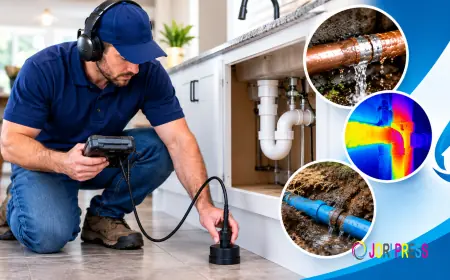
Moisture Detection
Advanced moisture meters and thermal imaging cameras help identify hidden moisture sources behind walls and ceilings.
Air Sampling
Air samples may be collected to evaluate mold spore concentrations and compare indoor conditions to outdoor environments.
Surface Sampling
Inspectors sometimes collect samples from affected materials to determine mold types and contamination levels.
Detailed Reporting
Following the inspection, property owners receive a report outlining findings, affected areas, moisture sources, and recommended corrective actions.
What Is Mold Remediation?
Mold remediation is the process of removing mold contamination while addressing the conditions that caused the growth. Effective remediation focuses not only on cleaning visible mold but also on eliminating the underlying moisture problems.
The primary objectives include:
-
Removing mold contamination
-
Preventing spore spread
-
Improving indoor air quality
-
Restoring affected materials
-
Preventing future mold growth
A comprehensive remediation plan provides long-term protection against recurring mold issues.
Key Steps in the Mold Remediation Process
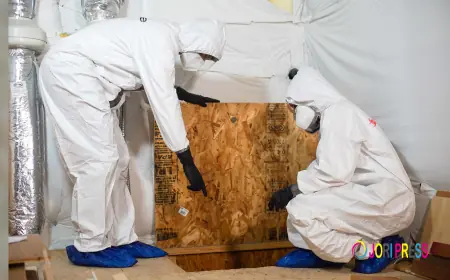
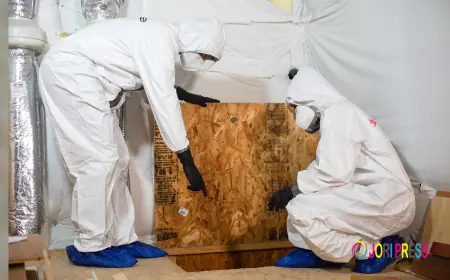
Containment
Containment systems are installed to isolate affected areas and prevent spores from spreading throughout the property.
Air Filtration
High-efficiency particulate air (HEPA) filtration equipment captures airborne mold spores and helps improve indoor air quality.
Removal of Contaminated Materials
Materials that cannot be effectively cleaned may need to be removed and replaced. This often includes drywall, insulation, carpeting, and other porous materials.
Cleaning and Sanitizing
Remaining surfaces are thoroughly cleaned using specialized products designed to eliminate mold residues and contaminants.
Moisture Source Correction
The moisture source responsible for mold growth must be identified and corrected. This may involve repairing leaks, improving ventilation, or addressing drainage problems.
Benefits of Professional Mold Remediation
Hiring experienced remediation professionals offers several advantages compared to attempting mold removal independently.
Professional services provide:
-
Accurate assessments
-
Safe containment procedures
-
Advanced equipment
-
Effective cleanup methods
-
Reduced exposure risks
-
Long-term prevention strategies
Experienced technicians follow industry standards that help ensure successful and lasting results.
Preventing Future Mold Problems
Prevention is often the most effective way to avoid mold-related issues. Property owners can take several proactive measures to reduce moisture and maintain healthy indoor conditions.
Recommended prevention strategies include:
-
Repair leaks immediately
-
Monitor indoor humidity levels
-
Improve ventilation in moisture-prone areas
-
Maintain roofing and plumbing systems
-
Clean water-damaged materials promptly
-
Schedule routine inspections
Regular maintenance significantly reduces the likelihood of future mold growth.
Selecting a Trusted Mold Remediation Company
Choosing a qualified environmental services provider is essential for successful mold management. Experienced professionals can accurately identify contamination, develop effective remediation plans, and address the root causes of mold growth.
When immediate action is necessary after flooding, leaks, or significant water damage, professional Emergency Mold Remediation Services In Long Island can help minimize property damage and restore safe indoor conditions as quickly as possible.
Conclusion
Mold inspection and remediation are critical services that help protect both property investments and occupant health. Mold can spread rapidly when moisture issues are ignored, leading to structural damage and reduced indoor air quality. Through professional inspections, accurate assessments, and comprehensive remediation efforts, property owners can identify problems early and implement effective solutions. Investing in mold prevention and remediation not only preserves building integrity but also creates a safer and healthier environment for everyone who uses the property.
FAQs
1. What are the first signs of mold growth?
Common signs include musty odors, discoloration on walls or ceilings, water stains, and increased allergy-like symptoms.
2. Can mold grow without visible water damage?
Yes. Hidden leaks, condensation, and elevated humidity can support mold growth even when water damage is not obvious.
3. How long does a mold inspection take?
The duration depends on the size of the property and the extent of the investigation, but most inspections are completed within a few hours.
4. Is mold remediation necessary for small mold problems?
Even small mold issues should be evaluated because hidden contamination and moisture sources may be present.
5. How can I prevent mold from returning after remediation?
Controlling moisture is essential. Repair leaks promptly, maintain proper ventilation, and monitor indoor humidity levels regularly.
What's Your Reaction?
 Like
0
Like
0
 Dislike
0
Dislike
0
 Love
0
Love
0
 Funny
0
Funny
0
 Angry
0
Angry
0
 Sad
0
Sad
0
 Wow
0
Wow
0