








































Lewis Hamilton’s Formula 1 Success: The Qualities Behind a Racing Icon
Discover the driving ability, consistency, adaptability and mental strength that helped Lewis Hamilton build an extraordinary Formula 1 career.
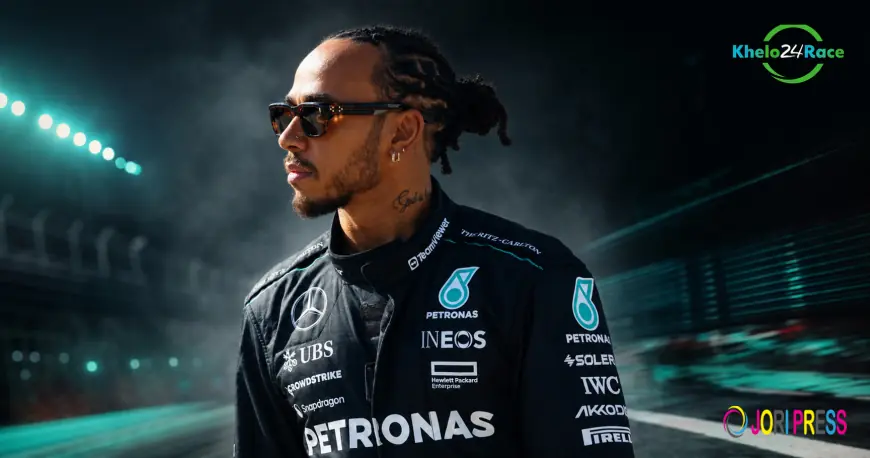
Lewis Hamilton has built one of the most celebrated careers in Formula 1. His journey includes championship victories, dominant qualifying performances, dramatic rivalries and memorable races watched by millions of fans.
Statistics highlight the scale of his achievements, but numbers alone cannot fully explain his success. Hamilton’s career has been shaped by several important qualities, including natural speed, technical understanding, adaptability, consistency and mental resilience.
These strengths helped him progress from a talented young kart racer to an internationally recognised motorsport icon.
A Strong Foundation in Kart Racing
Like many Formula 1 drivers, Hamilton began his motorsport journey in karting. This early experience taught him how to identify overtaking opportunities, defend his position and control a racing vehicle at its limit.
Hamilton’s ability became evident as he competed against other talented young drivers. His performances helped him advance through the junior racing categories, where the cars became faster and the competition more demanding.
Every level required him to develop new skills. Success in karting created an opportunity, but discipline and consistent results allowed him to continue progressing.
Natural Speed and Qualifying Ability
One of Hamilton’s most recognised qualities is his ability to deliver fast qualifying laps. Formula 1 qualifying places drivers under extreme pressure because a small error can significantly affect their starting position.
Drivers must correctly judge braking points, cornering speed and available grip. Hamilton has repeatedly shown the confidence required to push a car close to its limits during these crucial sessions.
A strong grid position provides a strategic advantage during the race. Starting near the front can help a driver avoid traffic, control the pace and reduce the risks associated with overtaking.
Hamilton’s qualifying speed therefore became a major part of his Formula 1 success.
Consistency Across a Full Season
Winning one Formula 1 race is a major achievement. Winning a championship requires a driver to perform consistently across many different circuits and conditions.
Each track presents unique demands. Some favour straight-line speed, while others require high downforce, precise braking or effective tyre management.
Hamilton developed the ability to score important points even when victory was not possible. This consistency allowed him to remain competitive throughout long championship campaigns.
Successful drivers understand that every result matters. A lower podium position or points finish may eventually make a decisive difference in the title standings.
Intelligent Race Management
Modern Formula 1 is not simply about driving as fast as possible on every lap. Tyres lose performance over time, fuel levels change and teams must react to unexpected events.
Hamilton became skilled at adjusting his pace according to the demands of a race. He could protect his tyres during one stage and increase his speed when an overtaking opportunity or strategic advantage appeared.
Communication with the team is also essential. Drivers provide information about tyre condition, car balance and track grip. Engineers and strategists use this feedback to make important decisions.
Hamilton’s ability to combine speed with intelligent race management helped turn strong performances into victories.
Adaptability Through Changing F1 Eras
Formula 1 frequently introduces new technical regulations. These changes can affect aerodynamics, engines, tyres and the way drivers must control their cars.
A driver who performs well with one type of machinery may struggle when the regulations change. Hamilton’s career demonstrates an impressive ability to adapt.
He has modified his driving style, worked closely with engineers and learned how to maximise different cars. This adaptability helped him remain relevant during multiple stages of Formula 1’s technical evolution.
Readers can explore the major races, achievements and milestones behind this journey in Khelo24race’s guide to Lewis Hamilton’s career highlights and Formula 1 legacy.
Mental Strength Under Pressure
Formula 1 drivers face constant scrutiny from teams, supporters and the media. Every mistake is analysed, while championship contenders must manage expectations throughout the season.
Hamilton has experienced victories, defeats, reliability problems and difficult race weekends. Remaining focused through these situations requires considerable mental strength.
Great champions are not defined only by how they celebrate success. Their response to disappointment is equally important.
Hamilton’s ability to recover, study previous performances and return with renewed determination has contributed significantly to his longevity.
Memorable Performances in the Rain
Wet-weather races are among the greatest tests of a Formula 1 driver. Visibility becomes limited, braking distances change and grip can disappear without warning.
Hamilton has delivered several impressive performances in challenging conditions. His ability to control the car and locate grip demonstrates his confidence and racing instinct.
Rain can reduce some of the advantages provided by machinery, placing greater emphasis on the driver’s reactions and judgement. Strong performances in such races have strengthened Hamilton’s reputation as a highly complete competitor.
Rivalries That Pushed Him Forward
Hamilton’s career has included intense battles against teammates, world champions and rising stars. These rivalries forced him to constantly analyse his performance and search for improvements.
Competing against a fast teammate is particularly challenging because both drivers often have access to similar equipment. Rivalries between different teams also involve car development, pit-stop execution and strategic decisions.
These contests created some of Formula 1’s most compelling championship stories while helping Hamilton demonstrate his abilities under pressure.
A Global Influence Beyond Racing
Hamilton’s influence reaches beyond motorsport results. His global popularity has introduced Formula 1 to new audiences and inspired young fans from different backgrounds.
He has also spoken about diversity and representation within racing. His public position encouraged wider conversations about creating more opportunities in motorsport.
This broader influence makes Hamilton more than a successful driver. He has become a major sporting personality whose impact can be seen both inside and outside Formula 1.
Conclusion
Lewis Hamilton’s remarkable career is the result of much more than natural talent. Qualifying speed, race intelligence, consistency, adaptability and mental resilience have all played important roles in his success.
His championship battles and memorable performances have secured his position in Formula 1 history. At the same time, his cultural influence has expanded the sport’s reach and inspired a new generation of racing fans.
Debates about Formula 1’s greatest driver will always continue. However, Hamilton’s achievements and lasting contribution ensure that he will remain one of motorsport’s most important figures.
What's Your Reaction?
 Like
0
Like
0
 Dislike
0
Dislike
0
 Love
0
Love
0
 Funny
0
Funny
0
 Angry
0
Angry
0
 Sad
0
Sad
0
 Wow
0
Wow
0