




































Kitchen Fire Extinguisher: Choosing the Right Protection for a Safe Cooking Environment
Learn how to choose the right kitchen fire extinguisher, explore different types, understand fire risks, and discover essential kitchen fire safety tips with Fire Extinguishers India.

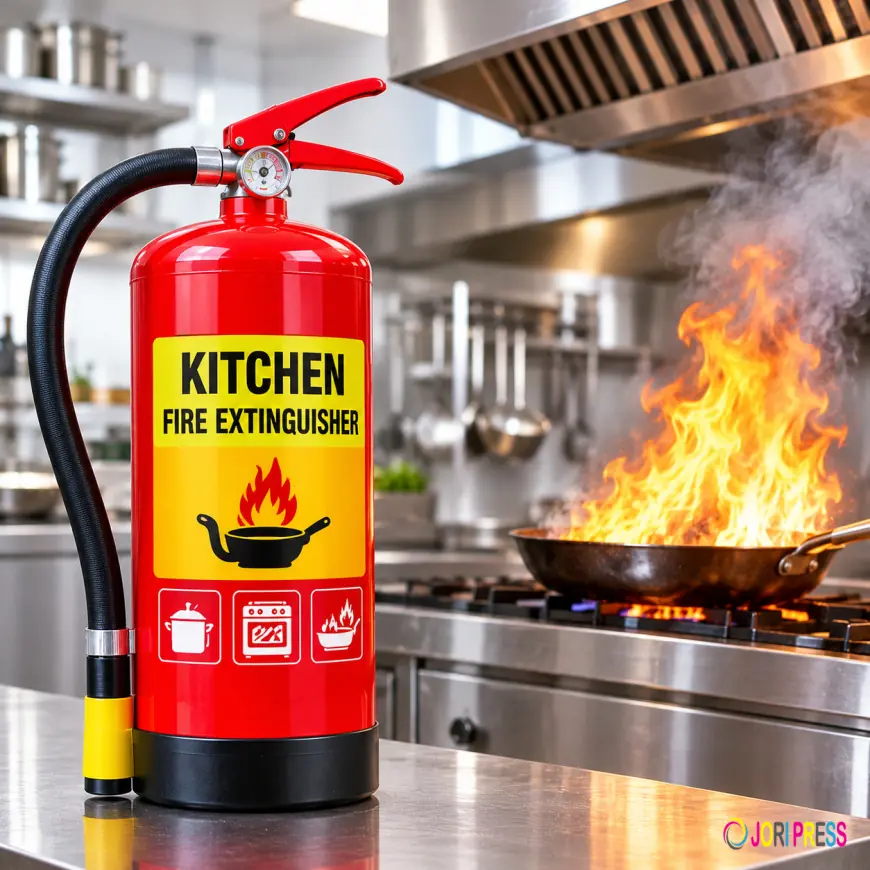
A kitchen is an essential part of every home, restaurant, hotel, and commercial food establishment. However, it is also an area where fire accidents can occur due to cooking oil, LPG gas, electrical appliances, and high-temperature cooking equipment. A small mistake, such as leaving a frying pan unattended or ignoring a gas leak, can quickly develop into a dangerous fire emergency.
Installing a suitable kitchen fire extinguisher is an important step towards improving fire safety. The right firefighting equipment can help control certain small fires before they spread and cause serious damage. Whether you operate a residential kitchen, restaurant, catering business, or industrial food facility, understanding kitchen fire risks and selecting appropriate fire protection equipment is essential.
Fire Extinguishers India recognises the importance of kitchen fire safety and encourages property owners to choose suitable extinguishers according to their specific fire hazards.
Why Does Every Kitchen Need a Fire Extinguisher?
Kitchen fires can start unexpectedly and spread rapidly, especially when flammable cooking materials are involved. Unlike some ordinary fires, burning cooking oil requires specialised firefighting equipment.
Having an appropriate kitchen fire extinguisher provides several important advantages:
- Quick Emergency Response: Suitable extinguishers can help control small fires before they spread.
- Protection of Property: They can help minimise potential damage to kitchen appliances, furniture, cooking equipment, and surrounding areas.
- Improved Workplace Safety: Restaurants and commercial kitchens can provide a safer environment for employees and customers.
- Better Fire Preparedness: Accessible firefighting equipment helps trained individuals respond more effectively during an emergency.
- Reduced Business Disruption: Effective fire safety measures can help minimise the impact of unexpected fire incidents.
However, an extinguisher should only be used when the fire is small, the correct equipment is available, and a safe escape route is maintained.
Different Types of Kitchen Fire Extinguishers
Selecting the right extinguisher is essential because different fire categories require different extinguishing agents.
1. Wet Chemical Fire Extinguisher
A wet chemical fire extinguisher is one of the most suitable options for kitchens where cooking oils and fats are regularly used.
It is specifically designed for Class F fires involving hot cooking oils and fats. The extinguishing agent helps cool the burning material and creates a soapy layer over its surface, reducing the possibility of reignition.
Key benefits include:
- Designed for cooking oil and fat fires.
- Provides an effective cooling action.
- Helps prevent fire reignition.
- Suitable for restaurants, hotels, commercial kitchens, and catering facilities.
For commercial kitchens that use deep fryers and large cooking vessels, a suitably rated wet chemical extinguisher is an important fire safety requirement.
2. ABC Dry Powder Fire Extinguisher
ABC dry powder fire extinguishers are commonly used in residential and commercial buildings because they are suitable for multiple fire categories.
They are designed for Class A fires involving ordinary combustible materials, Class B fires involving flammable liquids, and Class C fires involving flammable gases under Indian fire classification standards.
These extinguishers are useful for certain general fire hazards found around kitchens. However, they should not replace a wet chemical extinguisher for cooking oil and fat fires.
3. CO2 Fire Extinguisher
A CO2 fire extinguisher uses carbon dioxide to suppress certain flammable liquid and electrical equipment fires.
It is particularly useful around electrical panels, appliances, and other equipment where powder residue could cause damage.
However, CO2 extinguishers are not designed for cooking oil fires and should not be considered the primary protection for deep-frying equipment.
Common Causes of Kitchen Fires
Understanding the common causes of kitchen fires can help homeowners and restaurant managers take preventive action.
1. Overheated Cooking Oil
Cooking oil can catch fire when it reaches an excessively high temperature. Leaving frying pans or deep fryers unattended increases the risk of an accident.
2. LPG Gas Leakage
Gas leakage can create a dangerous situation, particularly when an ignition source is present. Regular inspection of gas hoses, regulators, and connections is important.
3. Electrical Short Circuits
Damaged wiring, overloaded sockets, faulty appliances, and loose electrical connections can generate sparks and cause fires.
4. Unattended Cooking Equipment
Leaving stoves, ovens, and other cooking appliances operating without supervision can increase the likelihood of fire accidents.
5. Grease and Oil Accumulation
Grease deposits around exhaust hoods, chimneys, cooking surfaces, and kitchen equipment can become combustible if not cleaned regularly.
How to Choose the Right Kitchen Fire Extinguisher?
Before purchasing a kitchen fire extinguisher, it is important to assess the fire hazards present in your cooking area.
Consider the following factors:
1. Identify the Fire Risks: Determine whether the kitchen uses cooking oils, LPG appliances, electrical equipment, or other combustible materials.
2. Select the Correct Extinguisher: Choose a wet chemical extinguisher with an appropriate Class F rating for cooking oil and fat hazards.
3. Check Product Certification: Look for relevant fire ratings, product specifications, and compliance with applicable Indian standards.
4. Consider Kitchen Size: The required extinguisher capacity and quantity depend on the kitchen layout, equipment, and level of fire risk.
5. Check Maintenance Requirements: Choose equipment that can be inspected and serviced according to manufacturer recommendations.
6. Ensure Easy Accessibility: Install extinguishers in visible locations where they can be reached without approaching the immediate fire hazard.
Important Kitchen Fire Safety Tips
Fire prevention is always better than responding to an emergency. Following simple precautions can help reduce the chances of kitchen fires.
- Never leave cooking food unattended.
- Keep paper towels, cloth, packaging, and other combustible materials away from stoves.
- Clean cooking equipment and exhaust hoods regularly.
- Inspect LPG connections and electrical wiring periodically.
- Avoid overloading electrical sockets.
- Keep suitable fire extinguishers in accessible locations.
- Train kitchen employees in basic fire safety procedures.
- Maintain clear emergency exits and evacuation routes.
Important Safety Warning: Never pour water onto burning cooking oil. Water can cause hot oil to splash violently and spread the flames. Do not attempt to carry or move a burning pan or fryer. If a fire develops, evacuate when necessary and contact emergency services. Only attempt to control a small, contained fire if you are trained, have the correct equipment, and can maintain a safe escape route.
Where Should a Kitchen Fire Extinguisher Be Installed?
Correct placement is important for ensuring that firefighting equipment can be accessed during an emergency.
A kitchen fire extinguisher should generally be installed in a clearly visible and easily accessible location, away from direct heat and positioned so that users do not need to approach the fire to retrieve it.
For commercial kitchens, installation locations should be determined through a suitable fire risk assessment. Equipment should also be protected from grease accumulation, moisture, and physical damage.
Clear signage can help employees and other occupants identify the extinguisher quickly.
Why Choose Fire Extinguishers India?
Choosing suitable fire protection equipment is essential for maintaining a safe cooking environment. Every kitchen has different fire hazards, so selecting the correct extinguisher requires careful consideration.
Fire Extinguishers India understands the importance of appropriate fire safety solutions for residential kitchens, restaurants, hotels, commercial food establishments, and industrial kitchens.
Whether you need a wet chemical fire extinguisher for cooking oil hazards or additional extinguishers for electrical and general fire risks, selecting the right product is an important step towards better protection.
When choosing fire safety equipment, always consider product quality, fire ratings, installation requirements, and maintenance support.
Proper equipment, combined with regular inspections and employee training, can help reduce fire risks and improve emergency preparedness.
Conclusion
A kitchen fire can become a serious emergency within seconds. Choosing the right kitchen fire extinguisher is essential for protecting people, property, cooking equipment, and business operations.
Wet chemical fire extinguishers are particularly important for kitchens where cooking oils and fats are used regularly. Other extinguisher types may also be required to address additional fire hazards.
Fire Extinguishers India encourages homeowners, restaurant owners, and commercial establishments to prioritise fire prevention and invest in suitable fire protection equipment.
Remember, effective kitchen fire safety starts with identifying risks, selecting the correct extinguisher, maintaining equipment, and ensuring that everyone understands how to respond during an emergency.
Frequently Asked Questions (FAQs)
1. Which fire extinguisher is best for a kitchen?
A wet chemical fire extinguisher with an appropriate Class F rating is recommended for cooking oil and fat fires. It is particularly suitable for restaurants, hotels, and commercial kitchens.
2. Can an ABC fire extinguisher be used for kitchen fires?
An ABC dry powder extinguisher can control certain common fire hazards, including ordinary combustible materials, flammable liquids, and flammable gases. However, it is not a substitute for a wet chemical extinguisher on burning cooking oil.
3. Why should water never be used on cooking oil fires?
Water should never be poured onto burning cooking oil because it can cause hot oil to splash and spread flames rapidly. Always use suitable firefighting equipment designed for cooking oil fires.
4. Where should a kitchen fire extinguisher be placed?
It should be installed in a clearly visible and accessible location, away from direct heat and positioned so that users can reach it without approaching the fire.
5. How often should a kitchen fire extinguisher be serviced?
Kitchen fire extinguishers should undergo regular visual inspections and professional servicing according to applicable Indian standards, manufacturer recommendations, and maintenance schedules. Damaged or discharged extinguishers should receive immediate attention.
What's Your Reaction?
 Like
0
 Dislike
0
 Love
0
 Funny
0
 Angry
0
 Sad
0
 Wow
0