































Integrating Real-Time Exposure Monitoring Into Underwriting: A New Approach to Catastrophe Risk Management
Learn how integrating real-time exposure monitoring into underwriting helps insurers improve risk evaluation, manage catastrophe exposure, and make faster data-driven decisions.

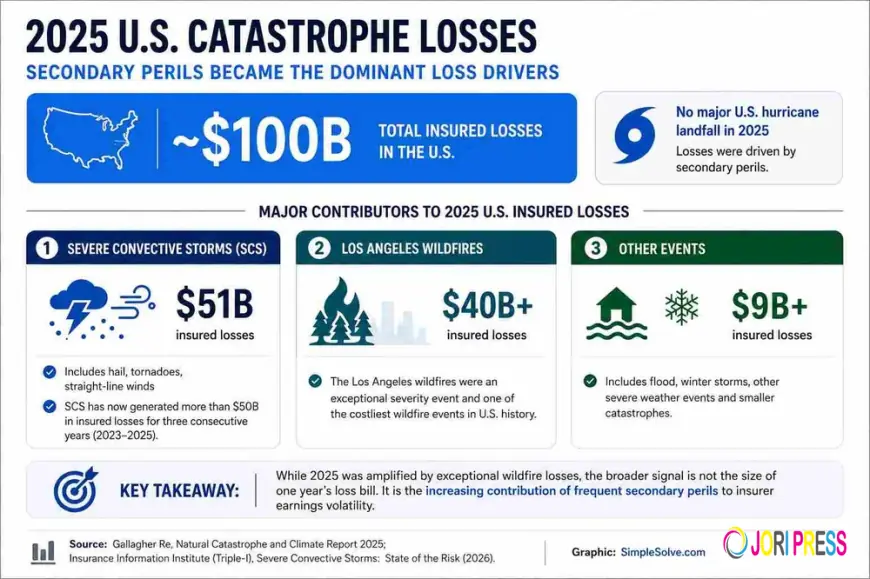
The insurance industry is facing a rapidly changing risk environment where traditional underwriting methods are becoming increasingly difficult to maintain. Climate-related events, evolving property risks, and the growing impact of secondary perils are creating new challenges for insurers worldwide.
Historically, underwriting decisions have depended on historical loss records, periodic portfolio reviews, and static catastrophe models. While these methods remain valuable, they may not provide enough visibility into constantly changing exposure conditions.
Modern insurers are now focusing on integrating real-time exposure monitoring into underwriting to improve risk assessment, enhance decision-making, and create more responsive catastrophe management strategies.
The Changing Landscape of Insurance Risk
Catastrophe risks are becoming more complex due to increasing weather volatility and the expansion of vulnerable areas. Events such as wildfires, floods, severe storms, and extreme temperature conditions are creating significant losses for insurers.
Many of these risks are classified as secondary perils because they historically received less attention compared with major catastrophes like hurricanes and earthquakes. However, their increasing frequency and cumulative financial impact have made them a major concern for insurance organizations.
Traditional underwriting approaches often rely on information collected during policy creation or renewal periods. However, risk conditions can change significantly between these periods, creating potential gaps in exposure understanding.
Understanding Real-Time Exposure Monitoring
Real-time exposure monitoring uses advanced technology and updated data sources to provide insurers with continuous visibility into insured assets and changing risk conditions.
Instead of relying only on historical information, insurers can analyze current exposure factors through:
- Satellite imagery and geographic data
- Weather intelligence platforms
- Property information updates
- Automated catastrophe alerts
- Advanced analytics systems
This allows underwriting teams to understand how risk changes over time and make better-informed decisions.
Improving Underwriting Accuracy With Better Data
Accurate underwriting depends on having reliable and current information. When exposure data becomes outdated, insurers may underestimate potential risks or incorrectly evaluate portfolio concentration.
By integrating real-time exposure monitoring into underwriting, insurers can identify changes that may impact risk levels before they become major issues.
For example, an insurer can monitor:
- Properties located in newly developing risk zones
- Areas experiencing increased wildfire activity
- Regions affected by changing flood patterns
- Concentrated exposure within vulnerable locations
This improved visibility helps underwriting teams create more accurate pricing models and coverage decisions.
Addressing the Challenges of Secondary Perils
Secondary perils have become one of the biggest challenges in catastrophe management because they often occur frequently across multiple locations.
Unlike large catastrophic events that are easier to model, secondary perils can create repeated losses that accumulate over time. Traditional catastrophe models may not always capture these changing conditions effectively.
Real-time exposure insights help insurers better understand emerging threats and adjust their strategies accordingly.
By monitoring risks continuously, insurers can:
- Detect developing exposure problems
- Improve portfolio management
- Reduce unexpected loss accumulation
- Strengthen catastrophe preparedness
Supporting Faster Risk Decisions
The speed of decision-making has become increasingly important in modern insurance operations. Underwriters need access to accurate information without waiting for lengthy assessment processes.
Real-time monitoring tools provide updated insights that support faster evaluations during underwriting and portfolio management.
This enables insurers to respond quickly when risk conditions change, whether through adjusting coverage terms, reviewing pricing strategies, or implementing risk mitigation measures.
The Role of Technology in Modern Underwriting
Technology plays a major role in transforming catastrophe risk management. Artificial intelligence, machine learning, cloud-based analytics, and geospatial platforms are helping insurers process large volumes of information more effectively.
These technologies allow underwriting teams to move beyond static assessments and adopt a more dynamic approach.
Key benefits include:
- Improved risk transparency
- More accurate exposure analysis
- Enhanced catastrophe forecasting
- Better alignment between pricing and actual risk conditions
As technology continues to advance, data-driven underwriting will become an essential part of competitive insurance strategies.
Creating a More Proactive Insurance Model
The future of underwriting requires insurers to become more proactive rather than reactive. Waiting until after a catastrophe event occurs can result in significant financial and operational challenges.
Continuous access to exposure information allows insurers to identify potential issues earlier and develop stronger risk management solutions.
This proactive approach benefits both insurers and policyholders by creating more sustainable coverage structures and improving overall resilience.
The Future of Catastrophe Risk Management
As catastrophe risks continue to evolve, insurers must adopt solutions that provide deeper visibility and faster insights. Traditional models alone may not be enough to address the complexity of modern exposure challenges.
Integrating real-time exposure monitoring into underwriting represents an important step toward building a smarter, more adaptive insurance ecosystem. It enables insurers to combine technology, data, and analytics to improve risk evaluation and strengthen catastrophe management.
Organizations that embrace real-time monitoring capabilities will be better prepared to manage emerging risks and maintain long-term stability in an increasingly unpredictable environment.
Conclusion
The insurance industry is entering a new era where accurate, timely information is essential for effective underwriting. Changing catastrophe patterns and growing secondary peril risks require insurers to move beyond traditional approaches.
By integrating real-time exposure monitoring into underwriting, insurers can improve risk visibility, enhance decision-making, and create stronger catastrophe management strategies. As technology continues to evolve, real-time exposure intelligence will become a critical component of modern insurance operations.
What's Your Reaction?
 Like
0
Like
0
 Dislike
0
Dislike
0
 Love
0
Love
0
 Funny
0
Funny
0
 Angry
0
Angry
0
 Sad
0
Sad
0
 Wow
0
Wow
0