









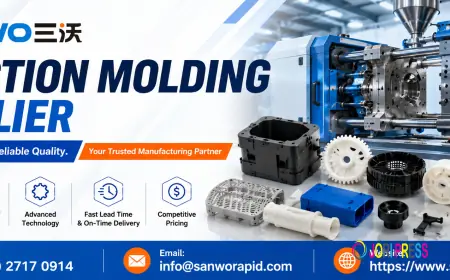































Injection Molding Supplier: How to Choose the Right Partner for Quality Manufacturing and Faster Production
Discover how to choose the right injection molding supplier for high-quality plastic parts, cost-effective production, precision tooling, reliable quality control, and faster product development. Learn about materials, manufacturing processes, supplier selection, and ways to improve production efficiency.

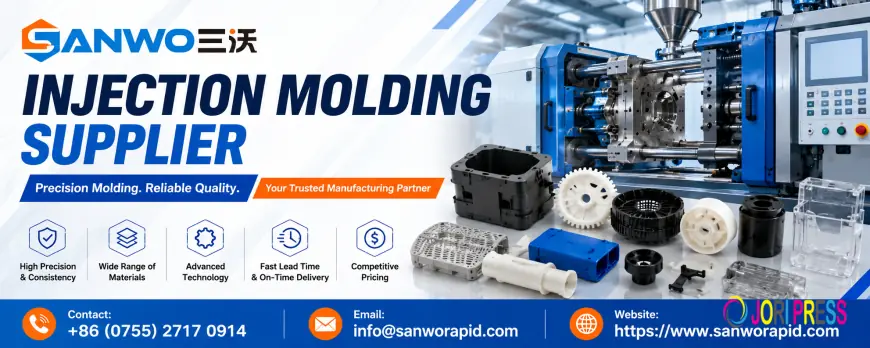
Choosing the right injection molding supplier is an important step for businesses looking to manufacture high-quality plastic components with consistent precision, reliable performance, and competitive production costs. Whether you are developing a new product, producing functional prototypes, or preparing for large-scale manufacturing, working with an experienced supplier can significantly improve your production process. A reliable manufacturing partner provides technical expertise, material recommendations, tooling solutions, and quality control to ensure that every component meets the required specifications. This guide explains what an injection molding supplier does, the benefits of professional injection molding services, important selection factors, and how to achieve better manufacturing results.
What Is an Injection Molding Supplier?
An injection molding supplier is a manufacturing company that produces plastic components by injecting molten plastic material into specially designed molds. Once the plastic cools and solidifies, the mold opens, and the finished component is removed. This process is widely used across industries because it supports accurate, repeatable, and cost-effective production.
A professional supplier typically provides several services, including:
-
Custom plastic injection molding: Manufacturing plastic components according to specific product designs.
-
Mold design and tooling: Developing molds that match the required dimensions and production requirements.
-
Material selection: Recommending suitable thermoplastics based on strength, flexibility, temperature resistance, and application.
-
Prototype development: Producing initial samples for design testing and validation.
-
Mass production: Manufacturing large quantities of identical plastic components.
-
Quality inspection: Checking dimensions, appearance, and functional performance.
Working with a capable supplier helps manufacturers move from product concepts to finished components more efficiently.
How Does the Plastic Injection Molding Process Work?
Plastic injection molding involves several carefully controlled stages. Each stage influences the quality, strength, accuracy, and appearance of the final product.
1. Product Design and Mold Development
The process begins with a 3D CAD model of the required component. Engineers evaluate the product geometry, wall thickness, draft angles, material requirements, and potential manufacturing challenges.
Mold design is equally important because it determines how molten plastic flows, fills the cavity, and cools.
2. Material Selection
Selecting the right plastic material is essential for achieving the desired product performance. Different applications require different material properties.
Common injection molding materials include:
|
Plastic Material |
Key Properties |
Common Applications |
|---|---|---|
|
ABS |
Impact resistance and durability |
Electronic housings |
|
Polypropylene (PP) |
Lightweight and chemical resistance |
Packaging and automotive parts |
|
Polyethylene (PE) |
Flexibility and moisture resistance |
Containers and industrial products |
|
Polycarbonate (PC) |
High strength and transparency |
Safety components |
|
Nylon (PA) |
Wear resistance and mechanical strength |
Gears and engineering components |
|
POM |
Dimensional stability and low friction |
Precision mechanical parts |
The ideal material depends on the component's operating environment, mechanical requirements, and budget.
3. Plastic Melting and Injection
Selected plastic pellets are fed into the injection molding machine. Heat melts the material, while a screw mechanism moves it toward the injection unit. The molten plastic is then injected into the mold cavity under controlled pressure.
4. Cooling and Solidification
After the mold cavity is filled, the plastic cools and solidifies into the required shape. Cooling time depends on material properties, wall thickness, mold design, and processing conditions.
Proper cooling helps reduce shrinkage, warping, and dimensional inconsistencies.
5. Ejection and Quality Inspection
Once the plastic component has solidified, the mold opens, and ejector pins release the finished part. The component is then inspected for dimensional accuracy, surface defects, and other quality requirements.
Key Benefits of Choosing a Professional Injection Molding Supplier
Selecting an experienced manufacturing partner offers several advantages for businesses developing plastic products.
1. Consistent Product Quality
Professional suppliers use controlled manufacturing processes and inspection procedures to maintain consistent product quality. Proper mold design, machine settings, and material handling help reduce defects across production batches.
2. Cost-Effective Large-Volume Production
Injection molding is particularly economical for medium- and high-volume manufacturing. Although initial tooling investment can be significant, the cost per component generally decreases as production quantities increase.
3. Faster Manufacturing and Delivery
An experienced supplier can improve production efficiency through optimized mold designs, suitable equipment, and streamlined manufacturing workflows. These improvements help reduce unnecessary delays.
4. Complex Product Design Capabilities
Injection molding supports the production of components with detailed geometries, integrated features, and complex shapes. This makes it suitable for applications where multiple product features need to be manufactured in a single component.
5. Material and Engineering Expertise
A knowledgeable supplier can recommend appropriate materials, identify potential design problems, and suggest improvements before production begins. This reduces the likelihood of expensive modifications later.
Important Factors to Consider When Choosing an Injection Molding Supplier
Not every manufacturer offers the same level of technical expertise, production capability, or quality assurance. Before selecting a supplier, evaluate the following factors.
1. Manufacturing Experience and Technical Expertise
Look for a supplier with experience manufacturing components similar to your product. Industry knowledge helps manufacturers understand specific requirements related to materials, tolerances, tooling, and production methods.
Ask about previous projects and the types of components they regularly manufacture.
2. Mold Design and Tooling Capabilities
Mold quality directly affects product accuracy, production efficiency, and tooling lifespan. A reliable supplier should understand mold design, gate positioning, cooling systems, and ejection mechanisms.
Ask whether the company provides in-house mold design and tooling or works with external tooling partners.
3. Material Options
Your supplier should offer suitable materials for different applications. Confirm whether they can work with engineering plastics, standard thermoplastics, and reinforced materials when required.
4. Quality Control Standards
Quality assurance is essential for maintaining consistent production results. Check whether the supplier performs:
-
Dimensional inspections.
-
Visual surface inspections.
-
Material verification.
-
Functional testing.
-
First-article inspections.
-
Batch-level quality checks.
You should also ask whether inspection reports and material certifications are available when required.
5. Production Capacity and Lead Time
Evaluate the supplier's machine capacity, tooling resources, workforce, and production scheduling. Make sure the manufacturer can support both your initial order and future production requirements.
6. Communication and Customer Support
Clear communication helps prevent misunderstandings during product development and manufacturing. Choose a supplier that provides timely technical feedback, production updates, and transparent quotations.
Injection Molding vs. Other Plastic Manufacturing Processes
Injection molding is not the only option for manufacturing plastic components. Depending on production volume, product design, and budget, other processes may also be suitable.
|
Manufacturing Process |
Main Advantage |
Best Suited For |
|---|---|---|
|
Injection Molding |
Repeatability and high-volume efficiency |
Medium- to high-volume production |
|
Vacuum Casting |
Lower tooling investment |
Small batches and prototypes |
|
CNC Machining |
High dimensional precision |
Functional plastic prototypes |
|
3D Printing |
Fast design modifications |
Early-stage product development |
|
Blow Molding |
Efficient hollow-part manufacturing |
Bottles and containers |
Choosing the right process depends on the product's complexity, required quantity, material, and production timeline.
Common Industries That Use Injection Molding Services
Plastic injection molding supports a wide range of industries because it can produce lightweight, durable, and precisely shaped components.
Automotive Industry
Automotive manufacturers use injection-molded components for dashboards, interior panels, connectors, clips, housings, and other plastic parts.
Medical Industry
Medical manufacturers use specialized injection molding processes to produce equipment housings, diagnostic components, laboratory products, and certain medical disposables. Applications may require additional regulatory and cleanliness controls.
Consumer Electronics
Electronic products contain numerous injection-molded components, including protective covers, connectors, switches, and internal housings.
Home Appliances
Injection molding is commonly used to manufacture washing machine components, refrigerator parts, appliance handles, control panels, and plastic enclosures.
Packaging Industry
Plastic caps, closures, containers, and other packaging components are frequently manufactured using injection molding because of its repeatability and production efficiency.
Common Injection Molding Defects and How to Prevent Them
Even well-established manufacturing processes can experience defects if tooling, materials, or machine parameters are not properly controlled.
|
Common Defect |
Possible Cause |
Prevention Method |
|---|---|---|
|
Short Shots |
Insufficient material or injection pressure |
Optimize filling pressure and material flow |
|
Warping |
Uneven cooling or material shrinkage |
Improve cooling system design |
|
Sink Marks |
Uneven wall thickness or insufficient packing |
Optimize wall thickness and holding pressure |
|
Flash |
Excessive injection pressure or poor mold closure |
Maintain mold condition and pressure settings |
|
Weld Lines |
Incomplete fusion of material flow fronts |
Optimize gate location and melt temperature |
|
Burn Marks |
Trapped air or excessive heat |
Improve mold venting and processing conditions |
An experienced supplier monitors these issues during production and makes adjustments to maintain product quality.
How to Reduce Injection Molding Costs Without Compromising Quality
Manufacturers can improve cost efficiency through better product design and production planning.
Consider these practical strategies:
-
Optimize wall thickness: Maintain uniform wall thickness wherever possible to reduce cooling time and material consumption.
-
Simplify product geometry: Avoid unnecessary design complexity that increases tooling costs.
-
Choose suitable materials: Select materials based on actual performance requirements rather than unnecessary specifications.
-
Optimize production quantities: Evaluate order volumes to balance tooling investment and per-part costs.
-
Improve mold design: Proper gate placement, cooling channels, and ejection systems can improve production efficiency.
-
Review designs before tooling: Early design-for-manufacturing reviews help identify costly issues before mold production begins.
These improvements can reduce manufacturing expenses while maintaining the required functionality and durability.
Why Choose SanwoRapid for Injection Molding Solutions?
Selecting a manufacturing partner that understands product development and production requirements can make a significant difference in achieving reliable results. SanwoRapid supports businesses looking for practical manufacturing solutions, including rapid prototyping and custom manufacturing services.
When evaluating a manufacturing partner, businesses should prioritize engineering support, material knowledge, production capabilities, dimensional accuracy, and consistent quality management.
A well-organized manufacturing approach helps companies validate product designs, address technical challenges, and prepare components for production. Combining appropriate prototyping and manufacturing methods can also help reduce development risks and improve overall project efficiency.
Future Trends in Plastic Injection Molding
The injection molding industry continues to evolve through improvements in automation, material technology, and manufacturing control.
Some important developments include:
Smart Manufacturing and Automation
Automated production systems help manufacturers improve repeatability, monitor machine performance, and reduce manual handling.
Sustainable Plastic Materials
Manufacturers are increasingly exploring recycled plastics, bio-based materials, and more efficient material utilization to support sustainability objectives.
Advanced Mold Design
Modern simulation software helps engineers analyze material flow, cooling behavior, and potential defects before manufacturing the actual mold.
Precision Manufacturing
Improved machine controls and measurement technologies are supporting the production of components with increasingly demanding dimensional and performance requirements.
These developments are helping manufacturers improve efficiency, product consistency, and production flexibility.
Frequently Asked Questions (FAQs)
1. What does an injection molding supplier do?
An injection molding supplier manufactures custom plastic components by injecting molten plastic into specially designed molds. Services may include mold design, material selection, prototyping, production, and quality inspection.
2. How do I choose the right injection molding supplier?
Evaluate the supplier's manufacturing experience, tooling capabilities, material options, quality control procedures, production capacity, lead times, and communication.
3. What materials are commonly used in plastic injection molding?
Common materials include ABS, polypropylene, polyethylene, polycarbonate, nylon, and POM. Material selection depends on the component's strength, flexibility, temperature resistance, and intended application.
4. Is injection molding suitable for small production runs?
Yes. Injection molding can support small production runs, although tooling costs may make it less economical than CNC machining, 3D printing, or vacuum casting for very low quantities.
5. How much does plastic injection molding cost?
Costs depend on mold complexity, tooling material, plastic selection, component size, production quantity, and finishing requirements. A supplier generally needs product specifications to provide an accurate quotation.
6. How long does injection molding take?
Lead times depend on mold design, tooling manufacturing, material availability, sampling, and production volume. Simple projects may progress faster than complex components requiring specialized tooling.
7. What is the difference between injection molding and vacuum casting?
Injection molding uses molten plastic injected into a mold under pressure, while vacuum casting uses liquid casting materials poured into a mold under vacuum. Injection molding is generally more suitable for larger production volumes, while vacuum casting is useful for prototypes and small batches.
8. Can injection molding produce complex plastic parts?
Yes. Injection molding can produce complex components with features such as ribs, bosses, snap-fit connections, and detailed surface textures when the mold and product design are properly engineered.
9. How can injection molding defects be reduced?
Defects can be reduced through proper mold design, suitable material selection, uniform wall thickness, controlled processing parameters, effective cooling, and regular quality inspections.
10. What industries benefit most from injection molding?
Automotive, medical, electronics, consumer products, household appliances, and packaging industries commonly use injection molding to manufacture plastic components.
11. Is custom injection molding suitable for product development?
Yes. Custom injection molding helps businesses manufacture components according to specific designs, dimensions, material requirements, and functional needs. Prototype testing before mass production can help identify design improvements.
12. What information should I provide when requesting an injection molding quotation?
Provide a 3D CAD file or technical drawing, material requirements, estimated order quantity, component dimensions, surface finish specifications, tolerances, and any special performance requirements.
What's Your Reaction?
 Like
0
 Dislike
0
 Love
0
 Funny
0
 Angry
0
 Sad
0
 Wow
0