



































Indoor Badminton Court Lighting and Ceiling Height Guide
Learn how ceiling height, lighting placement, wall colours and airflow affect visibility, safety and performance on an indoor badminton court.
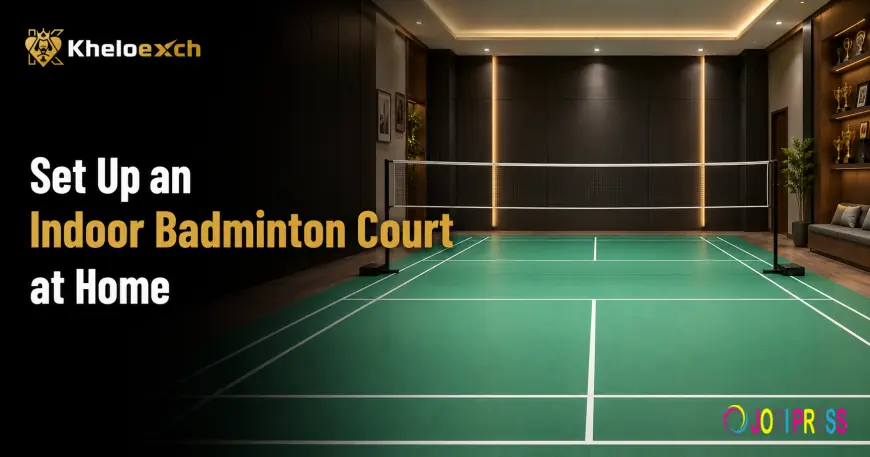
Good flooring and accurate boundary markings are essential when building an indoor badminton court, but they are not the only factors that influence gameplay. Ceiling height, lighting position, background colour and airflow can all affect how clearly players see and control the shuttlecock.
A court may have the correct length and width, yet still provide a poor playing experience if the ceiling is too low or the lights create glare. These factors should therefore be considered during the initial planning stage.
Why Is Ceiling Height Important?
Badminton players frequently use clears, lifts and defensive shots that send the shuttlecock high above the court. If the ceiling is too low, the shuttlecock may strike it and interrupt the rally.
Low beams, ceiling fans, hanging lights and other overhead objects can cause the same problem. They may also create safety risks when installing or maintaining court equipment.
A recreational indoor court should provide as much unobstructed vertical space as possible. Around 7.5 metres or more can offer a practical playing environment for many casual and training situations. Professional and international venues may require considerably greater clearance, so official competition requirements should always be checked before construction.
The height should remain consistent across the complete playing area. A sloped roof may provide enough clearance at the centre but restrict high shots near the sides.
Common Problems Caused by a Low Ceiling
A low ceiling can affect the game in several ways:
- High serves may strike the roof.
- Defensive clears may become difficult.
- Players may avoid important overhead shots.
- Hanging equipment may distract players.
- Rallies may need to be stopped repeatedly.
- Training conditions may differ from those of a proper competition venue.
A low hall can still support net practice, serving drills and casual games. However, it may not allow players to use every badminton shot freely.
How Lighting Affects Shuttlecock Visibility
A shuttlecock can travel quickly and change direction within a short distance. Players need to follow it from the opponent’s racket to the highest part of its flight and back towards the court.
Poor lighting makes this difficult. Dim areas can cause the shuttlecock to disappear temporarily, while excessive brightness may create glare when players look upward.
An effective lighting system should:
- Illuminate the complete court evenly
- Avoid dark areas near the baselines
- Limit glare above the players
- Prevent distracting shadows
- Make the shuttlecock visible against the background
- Maintain consistent brightness throughout the hall
The objective is balanced visibility, not simply installing the brightest available lights.
Where Should Court Lights Be Positioned?
Lights should not be placed directly in the most common line of sight. A player looking upward to hit a clear or smash should not be staring into a bright fixture.
Fixtures positioned along the sides of the court can often reduce direct glare. The exact arrangement will depend on the building’s size, roof design and number of courts.
Avoid installing individual lights directly above the net or centre line if they interfere with the players’ view. All fixtures should remain outside the shuttlecock’s expected flight path and be mounted securely.
A qualified lighting professional can help determine suitable positioning for a permanent sports facility.
Choose a Suitable Light Colour
Indoor sports lighting should make the court appear natural and comfortable. Extremely warm yellow lighting may affect colour perception, while harsh blue-white lighting can cause visual discomfort.
Neutral or cool-white lighting is commonly preferred for indoor sports because it provides a clear view of the playing area. More important than the colour alone is consistency. Mixing several different types of lights can create uneven patches across the court.
Lights should also reach full brightness quickly and remain stable without noticeable flickering.
Reduce Glare and Reflection
Glare can come from more than the light fixtures. Polished flooring, glass windows and shiny wall surfaces may reflect light into a player’s eyes.
To reduce reflection:
- Use a sports surface with a suitable matte finish.
- Avoid glossy paint around the playing area.
- Cover large windows with curtains or blinds.
- Keep mirrors away from the court.
- Select fixtures designed to control glare.
- Check visibility from every side of the court.
Test the lighting by standing in different service courts and looking towards common shuttlecock positions. A setup that looks comfortable from the side of the hall may feel very different from the playing area.
Wall and Background Colours Matter
The shuttlecock should remain clearly visible against the walls and ceiling. Very light or highly patterned backgrounds can make a white shuttlecock difficult to track.
Dark green, blue, grey or other muted wall colours can provide useful contrast. The background should be simple and free from large advertisements or decorations near the playing area.
If the venue uses white walls, curtains or darker panels behind both baselines may improve visibility.
Control Natural Light
Windows can reduce electricity use during the day, but direct sunlight may create bright patches and shadows across the court.
The position of sunlight changes throughout the day, which can make playing conditions inconsistent. Curtains, adjustable blinds or light-filtering panels can help control this problem.
Roof openings and skylights should also be assessed carefully. They may provide comfortable natural light at one time and distracting glare at another.
Consider Airflow and Ventilation
An indoor court needs proper ventilation, especially during long matches. However, strong airflow can move the lightweight shuttlecock away from its natural path.
Avoid directing powerful fans or air-conditioning vents across the playing area. Open doors positioned at opposite ends of the hall can also create a crosswind.
Ventilation should keep the venue comfortable without producing noticeable air movement around the court. Ceiling fans directly above the playing area are generally unsuitable because they affect shuttle flight and reduce overhead clearance.
Plan the Court as One Complete System
Lighting and ceiling clearance should not be planned separately from the remaining court features. Flooring, boundary lines, net position and surrounding safety space all contribute to the final playing environment.
Before marking or constructing the playing area, review the complete indoor badminton court dimensions and setup guide from Kheloexch. It covers court measurements, singles and doubles lines, net height, flooring and important setup considerations.
Final Inspection Checklist
Before using the court, confirm that:
- The ceiling provides enough unobstructed clearance.
- No fans or fixtures interfere with high shots.
- Lighting is even across both halves.
- Players are not looking directly into bright lights.
- Floors and walls do not create excessive reflection.
- The shuttlecock is easy to see against the background.
- Windows can be covered when sunlight becomes distracting.
- Ventilation does not create strong airflow.
- The area outside the boundaries remains clear.
Conclusion
Ceiling height and lighting can have a major impact on an indoor badminton court. Adequate vertical clearance allows players to use high serves and clears naturally, while balanced, glare-free lighting helps them track the shuttlecock throughout every rally.
A well-designed court should combine correct measurements with safe flooring, stable net equipment, suitable backgrounds and controlled airflow. Planning these elements together creates a more comfortable environment for casual players, trainees and competitive athletes.
What's Your Reaction?
 Like
0
Like
0
 Dislike
0
Dislike
0
 Love
0
Love
0
 Funny
0
Funny
0
 Angry
0
Angry
0
 Sad
0
Sad
0
 Wow
0
Wow
0