







































Incubator Buying Mistakes: What to Avoid When Choosing an Egg Incubator

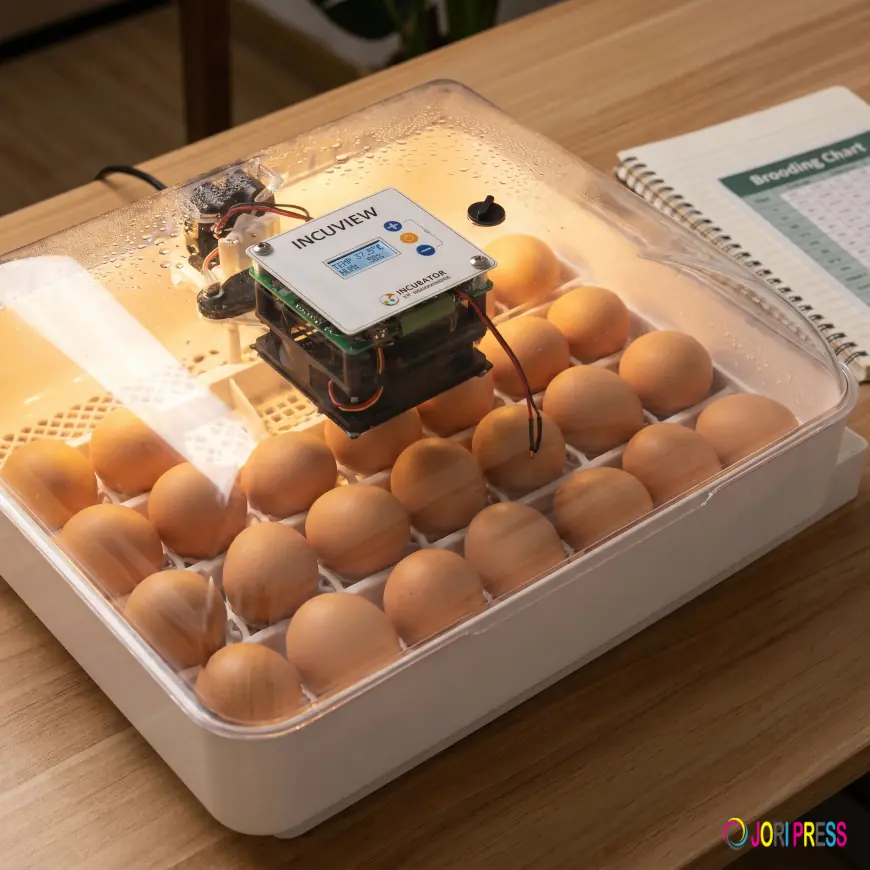
Buying an egg incubator may look simple, but many beginners make costly mistakes. These mistakes reduce hatch rates and waste money. A good incubator controls temperature, humidity, and egg turning. A bad one leads to poor results. This egg incubator buying guide explains what to avoid when buying an incubator and the most common incubator mistakes.
Why Choosing the Right Incubator Matters
An incubator creates the right environment for eggs to hatch. It controls heat, moisture, and airflow. Even small errors can affect embryo development.
Many beginners ignore this and buy the wrong machine. This leads to failed hatches and frustration. Choosing carefully improves success rates and saves time.

Common Incubator Buying Mistakes
One of the biggest incubator buying mistakes is choosing the cheapest model. Low-cost incubators often lack stable temperature control and proper humidity systems. These missing features reduce hatch success.
Another mistake is ignoring temperature accuracy. Temperature changes can damage embryos quickly. Some incubators heat unevenly, which creates hot and cold zones inside the machine.
Many buyers also forget about egg turning. Without automatic turning, eggs may not develop properly. Manual turning is easy to forget and increases failure risk.
Humidity control is another weak point. Eggs need balanced moisture levels to hatch correctly. Without it, eggs can dry out or fail late in incubation.
What to Avoid When Buying an Incubator
When deciding what to avoid when buying an incubator, there are several key points.
Avoid machines without digital temperature control. These are often unstable and unreliable. Avoid incubators without proper airflow systems because uneven heat can affect all eggs.
Also avoid buying the wrong size. Small incubators limit capacity, while oversized ones can be hard to manage for beginners. Always match the size to your needs.
Skipping research is another mistake. Many buyers do not check reviews or brand reputation. This increases the risk of buying low-quality equipment.
Other Common Incubator Mistakes
Many beginners choose advanced incubators too early. These machines have complex settings and can confuse new users. Mistakes in setup often lead to poor results.
Another mistake is ignoring ventilation. Good airflow ensures even heat distribution. Without it, some eggs may not develop properly.
Finally, some buyers focus only on price. This leads to poor-quality purchases that fail during incubation.
Smart Egg Incubator Buying Guide Tips
A good egg incubator buying guide should focus on simple rules.
Choose a model with digital temperature control. Always prefer automatic egg turning. Make sure humidity control is included. Pick a size that matches your egg quantity. Read customer reviews before buying.
These simple steps reduce risk and improve hatch success.
Final Thoughts
Avoiding common incubator mistakes is important for successful hatching. Many failures happen due to wrong buying decisions, not bad eggs.
By following this egg incubator buying guide, you understand what to avoid when buying an incubator. Focus on quality, features, and ease of use. This will help you get better hatch results and fewer problems.
What's Your Reaction?
 Like
0
Like
0
 Dislike
0
Dislike
0
 Love
0
Love
0
 Funny
0
Funny
0
 Angry
0
Angry
0
 Sad
0
Sad
0
 Wow
0
Wow
0