






































The Role of High-Performance Slitting Line Machines in Modern Manufacturing

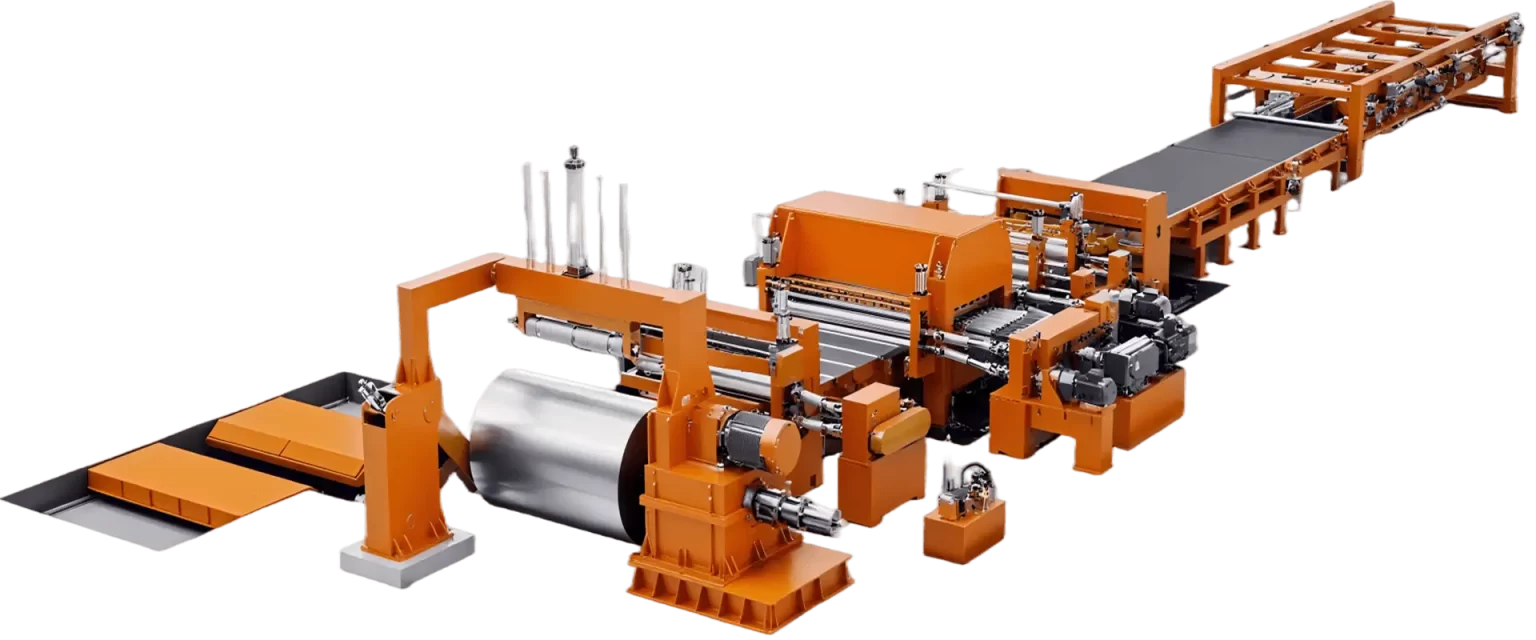
In today’s competitive industrial market, manufacturers are constantly looking for ways to improve production speed, material accuracy, and operational efficiency. One of the most important technologies supporting these goals is the slitting line machine. From automotive and construction to electronics and heavy engineering, slitting systems play a major role in modern metal processing operations.
High-quality slitting equipment helps manufacturers process metal coils into narrower strips with precision and consistency. As industries continue to demand higher productivity and tighter tolerances, the importance of advanced slitting technology continues to grow.
What Are Slitting Line Machines?
Slitting line machines are industrial systems used to cut wide metal coils into multiple narrower coils. These machines are commonly used for processing steel, aluminum, copper, stainless steel, and other metal materials. The slitting process involves feeding a large coil through rotating circular blades that cut the material into the required widths.
Modern slitting systems are designed to handle high-speed production while maintaining clean edges and dimensional accuracy. They are widely used in industries that require precision metal strips for further manufacturing applications.
Why Modern Manufacturing Depends on Advanced Slitting Technology
Manufacturing industries today require faster production cycles and better material utilization. Traditional cutting methods often create uneven edges, material waste, and slower production rates. This is where high-performance slitting line machines provide a major advantage.
These machines improve productivity by delivering:
- High-speed coil processing
- Accurate strip widths
- Reduced material waste
- Better surface quality
- Consistent production output
With automation and CNC-controlled systems, manufacturers can achieve better operational efficiency while reducing manual labor requirements.
Improving Precision and Material Quality
Precision is critical in industries such as automotive, aerospace, and appliance manufacturing. Even small variations in strip width or edge quality can affect final product performance. Advanced slitting lines are equipped with automated controls, tension systems, and precision blades to ensure accurate results.
Many manufacturers also integrate a burr removing machine into the production process to eliminate sharp edges and improve surface finish after slitting operations. This additional process helps improve safety, product quality, and downstream manufacturing performance.
The Role of Automation in Slitting Operations
Automation has transformed modern metal processing facilities. Smart control systems now allow operators to monitor speed, tension, blade positioning, and material alignment in real time. This reduces production errors and improves overall machine reliability.
Companies like imachine are developing advanced solutions that combine automation, precision engineering, and durable machine structures to meet modern industrial demands. Their systems are designed to support high-volume production environments while maintaining excellent cutting accuracy.
The use of high-performance slitting line machines also helps manufacturers reduce downtime and improve production planning. Faster setup times and automated adjustments allow factories to process different coil sizes more efficiently.
Applications Across Multiple Industries
Slitting line systems are used across a wide range of industrial sectors, including:
- Automotive manufacturing
- Construction material processing
- HVAC equipment production
- Electrical appliance manufacturing
- Steel service centers
- Metal fabrication industries
These industries rely on accurate metal strips for producing components, panels, structural parts, and precision-engineered products.
Reducing Waste and Increasing Efficiency
One of the biggest advantages of modern slitting technology is improved material utilization. Advanced systems help reduce scrap generation and improve coil yield, which directly lowers production costs.
In addition, integrating support equipment such as leveling systems and a burr removing machine helps create smoother, production-ready metal strips with minimal defects. This improves the efficiency of secondary manufacturing processes like stamping, welding, and forming.
Future of Slitting Line Technology
As manufacturing continues to evolve, the demand for smarter and more energy-efficient machinery will increase. Future slitting systems are expected to include enhanced automation, AI-based monitoring, predictive maintenance, and improved digital integration.
Manufacturers investing in advanced slitting technologies today will be better prepared to meet future production challenges and customer expectations.
Conclusion
Slitting line machines have become an essential part of modern manufacturing by improving precision, productivity, and material efficiency. With increasing industrial demand for high-quality metal processing, advanced slitting systems continue to play a critical role in production success.
By adopting high-performance slitting line machines, manufacturers can achieve faster operations, better product quality, and long-term cost savings. Combined with advanced automation and support systems, these machines are helping industries move toward smarter and more efficient manufacturing solutions.
What's Your Reaction?
 Like
0
Like
0
 Dislike
0
Dislike
0
 Love
0
Love
0
 Funny
0
Funny
0
 Angry
0
Angry
0
 Sad
0
Sad
0
 Wow
0
Wow
0