
























I Cracked a Tooth on a Piece of Popcorn Kernel. Here's What I Learned About Finding a Dentist Who Actually Shows Up When It Counts.

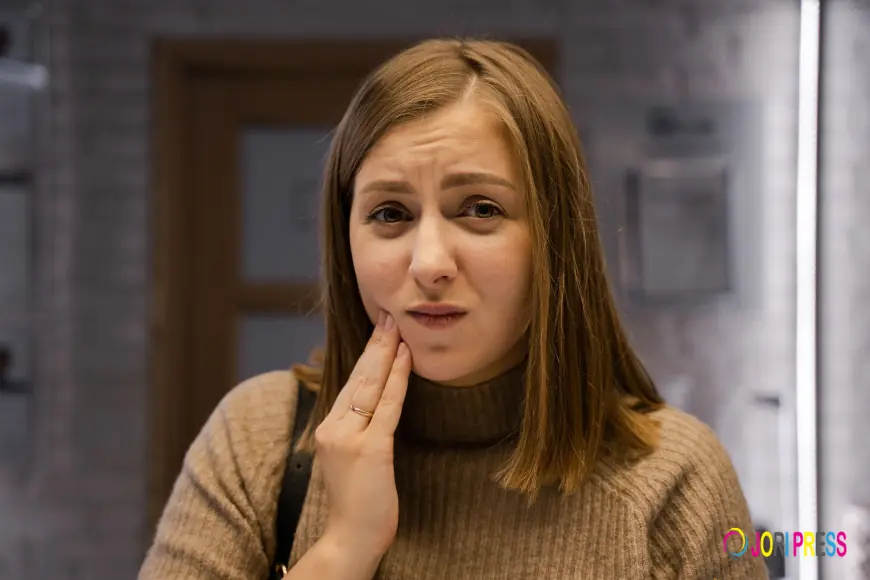
It was a Tuesday night, movie on the couch, bowl of popcorn balanced on my knee. Bit down on a kernel that hadn't popped all the way, and felt something in my back molar just give. Not pain exactly, more like a wrongness. I ran my tongue over it and felt a jagged edge where a smooth tooth used to be.
I didn't have a dentist at the time. I'd moved to Pasadena about eight months earlier and kept meaning to find one, the way you mean to update your emergency contacts or finally read the manual for your washing machine. So there I was at 9pm, googling frantically, trying to figure out if a cracked molar counts as an emergency or if I could just wait until Monday and hope for the best.
That night taught me more about choosing a local dentist in Pasadena than years of routine checkups ever had. Because when you're calm and nothing hurts, picking a dentist feels like a low stakes decision. When something's actually wrong, you find out really fast who's reliable and who isn't.
Why "Nearby" Isn't the Same as "Right For You"
My first instinct was to search for whoever was closest. That's most people's first instinct, honestly, and it's not a bad starting point. But proximity only solves one problem. It gets you there quickly. It doesn't tell you whether they'll actually see you same day, whether the staff will talk to you like a human being while you're anxious and in pain, or whether the dentist has any patience for someone who hasn't been to a checkup in longer than they'd like to admit.
I called three offices that night. One didn't answer at all, just rang through to a voicemail box that was full. One answered but told me their next available slot was ten days out, cracked tooth or not. The third one picked up on the second ring, asked me a few quick questions about pain level and whether I could still chew, and told me to come in first thing the next morning.
Guess which one I'm still going to two years later.
What a Cracked Tooth Actually Feels Like (And Why It's Sneaky)
Here's something nobody tells you: a cracked tooth doesn't always hurt right away. Mine felt fine that first night, just rough at the edge. It wasn't until the next morning, biting into toast, that a jolt of pain shot straight up into my jaw. That delay is common, apparently. The crack has to reach a certain point, sometimes exposing the nerve or letting bacteria sneak in, before your body really registers it as a problem.
This is the part that worries me about people who put off calling anyone. A small crack left alone can turn into an infection, and an infection in a tooth is not something that gets better on its own. It gets worse, often quickly, and sometimes painfully enough to land you in an actual emergency room at 2am, which is a much more expensive and much less comfortable way to solve the same problem.
If there's one thing I'd tell my popcorn-eating self from two years ago, it's this: don't wait to see if it gets better. Teeth don't really do that.
The Difference Between a Good Emergency Visit and a Bad One
I've had exactly one dental emergency and one very memorable checkup where a filling I didn't know I needed turned into a whole conversation about grinding my teeth in my sleep. So I'm not claiming to be an expert. But I do know what it felt like walking into that Pasadena office the morning after the popcorn incident.
The front desk didn't make me feel like an inconvenience for showing up without an appointment history. The dentist looked at the X-ray, explained in plain language what was cracked and why it mattered, and gave me actual options instead of just telling me what she was going to do. A crown, she said, was the right call given how the crack ran. She also told me what would happen if I ignored it, without being dramatic about it, just factual. That mattered to me. I'd rather hear the honest version than the softened one.
What struck me most, looking back, is how much of that visit came down to communication rather than the actual dental work. Plenty of dentists can fix a tooth. Not all of them can explain what's happening in a way that doesn't leave you more anxious than when you walked in.
Questions Worth Asking Before You're Desperate
The best time to figure out if a dentist is good is before you need one urgently, which is obvious advice that almost nobody actually follows. I certainly didn't. But if you're reading this with a working set of teeth and a bit of foresight, here's what I'd ask around.
Find out whether the practice keeps same day or next day slots open for emergencies, because plenty of offices book out weeks in advance and simply can't flex for anything urgent. Ask what happens if something goes wrong outside of normal hours, since a practice with an after hours line or an answering service that actually connects you to someone is worth its weight in gold at 11pm on a Saturday. And ask how they handle new patients who show up without years of dental records, because some offices treat that like a red flag instead of just a normal part of life.
A practice that answers these questions without hesitation is usually one that's used to being asked, which is a good sign in itself.
The Anxiety Nobody Talks About
I'll admit something a little embarrassing. Part of why I put off finding a dentist for those eight months wasn't just busyness. It was a low grade dread, left over from a childhood dentist who wasn't exactly gentle with an anxious kid. That kind of thing sticks around longer than you'd expect, even into your thirties.
What changed things for me wasn't a pep talk or gritting my teeth, pun intended. It was finding a practice where the staff picked up on the fact that I was tense and just adjusted, without making a big deal of it. Slower explanations, checking in mid procedure, that sort of thing. If you've got dental anxiety, it's worth mentioning it upfront when you call around. A good office will take it seriously instead of brushing past it.
What to Do the Moment Something Actually Cracks or Chips
If you're dealing with this right now, here's the practical version, stripped of the storytelling. Rinse your mouth gently with warm water. If there's swelling, a cold compress on the outside of your cheek helps more than people expect. Don't chew on that side of your mouth, obviously, and avoid anything too hot, too cold, or too hard until you've actually been seen. If a piece of the tooth broke off cleanly, keep it in a small container with a bit of milk or saliva, since dentists can sometimes use it depending on the situation.
And call somewhere. Don't wait it out over a weekend hoping it settles down, because in my experience it rarely does. If you're in the Pasadena area and dealing with a cracked tooth, a sudden abscess, or anything that feels urgent, the emergency dental page on Dental Practice Pasadena's site walks through exactly what to expect from a same day visit, which is worth a read if you're trying to figure out what you're actually walking into.
Finding Someone You'll Actually Stick With
The truth is, the best local dentist in Pasadena for you probably isn't the one with the flashiest website or the most five star reviews sitting in a screenshot somewhere. It's the one who answers the phone when it matters, explains things without talking down to you, and remembers who you are the second time you walk in. That's a lower bar than it sounds like, and yet plenty of practices don't clear it.
I got lucky, honestly. A cracked tooth on a Tuesday night forced my hand, and I stumbled into a dentist I probably would have kept putting off finding otherwise. Not everyone gets that particular kick in the pants, so if you've been meaning to find someone and just haven't gotten around to it, consider this your nudge.
Have you had a moment like mine, where a small crisis forced you to finally sort out something you'd been avoiding? It's a strange kind of silver lining, but it works.
What's Your Reaction?
 Like
0
Like
0
 Dislike
0
Dislike
0
 Love
0
Love
0
 Funny
0
Funny
0
 Angry
0
Angry
0
 Sad
0
Sad
0
 Wow
0
Wow
0