






























Hurricane Ready Roofing Tips for Florida Homeowners
Prepare your home for hurricane season with expert roofing tips for Florida homeowners. Learn how inspections, maintenance, and storm-ready roofing can help protect your property from wind and rain damage.

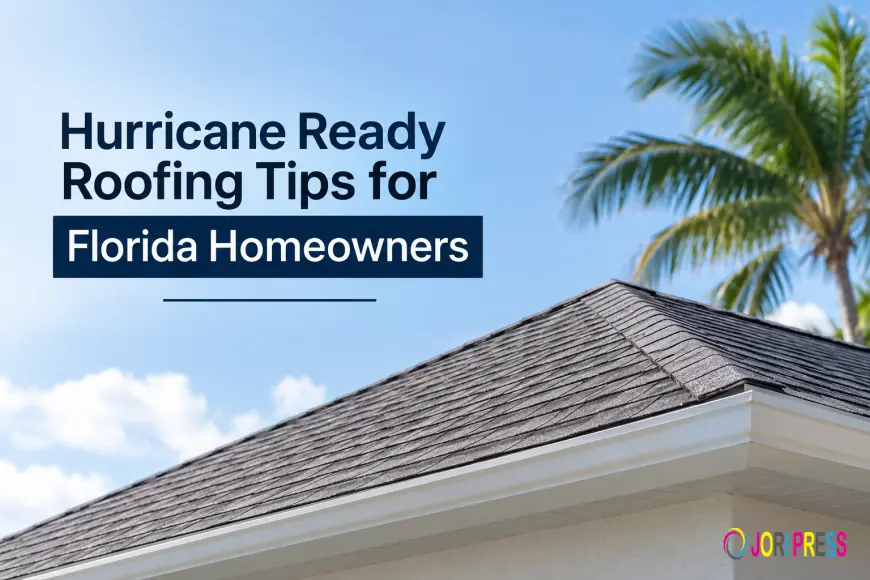
Hurricane Ready Roofing Tips for Florida Homeowners: Protect Your Home Before the Next Storm
Florida homeowners know that hurricane season brings powerful winds, heavy rain, and flying debris that can seriously damage a roof. Taking preventive steps before a storm arrives can reduce costly repairs and help keep your family safe. Whether you live in Fort Myers, Naples, Sarasota, Tampa, St. Petersburg, Cape Coral, Marco Island, Sanibel Island, Estero, Bonita Springs, Palm Coast, St. Augustine, Daytona Beach, West Palm Beach, Fort Lauderdale, Destin, Pensacola, or the Florida Keys, preparing your roof should be a top priority.
A well-maintained roof is your home's first line of defense during severe weather. This guide explains practical hurricane-ready roofing tips that every Florida homeowner should follow.
Why Hurricane Preparation Matters
Florida experiences some of the strongest hurricanes in the United States. Even a Category 1 storm can loosen shingles, damage flashing, and allow water to enter your home.
Preparing your roof before hurricane season can help:
-
Prevent roof leaks
-
Reduce structural damage
-
Extend roof lifespan
-
Lower repair costs
-
Improve home safety
-
Increase insurance claim success
Schedule a Professional Roof Inspection
A complete roof inspection helps identify weak areas before they become major problems.
A roofing professional should inspect:
-
Missing shingles
-
Loose roof tiles
-
Rusted flashing
-
Damaged ridge caps
-
Soft roof decking
-
Roof penetrations
-
Chimneys
-
Skylights
-
Roof vents
Finding these issues early is much less expensive than emergency repairs after a hurricane.
Replace Missing or Damaged Shingles
Loose shingles can easily blow away during high winds.
Look for:
-
Curling edges
-
Cracked shingles
-
Lifted shingles
-
Bald spots
-
Missing granules
Replacing damaged shingles improves wind resistance and helps prevent water intrusion.
Inspect Roof Flashing
Flashing protects areas around:
-
Chimneys
-
Roof valleys
-
Skylights
-
Plumbing vents
-
Dormers
Loose flashing allows rainwater to enter your attic during heavy storms.
Seal or replace damaged flashing before hurricane season begins.
Clean Your Gutters
Blocked gutters prevent rainwater from draining properly.
Overflowing water can cause:
-
Roof leaks
-
Fascia damage
-
Foundation problems
-
Mold growth
Remove:
-
Leaves
-
Pine needles
-
Branches
-
Dirt
-
Roof granules
Clean gutters help move water away from your roof during heavy rainfall.
Trim Nearby Trees
Tree limbs are one of the leading causes of hurricane roof damage.
Trim branches that:
-
Hang over the roof
-
Touch shingles
-
Could break during strong winds
Healthy trees are less likely to become dangerous during storms.
Secure Loose Roof Components
Inspect all rooftop equipment including:
-
Satellite dishes
-
Solar panels
-
HVAC equipment
-
Roof vents
-
Exhaust fans
Loose equipment can become airborne during hurricanes.
Check Your Attic Ventilation
Good attic ventilation helps reduce:
-
Moisture buildup
-
Heat damage
-
Mold growth
Proper airflow also helps your roofing materials last longer.
Reinforce Roof Connections
Older homes may benefit from stronger roof-to-wall connections.
Options include:
-
Hurricane straps
-
Roof clips
-
Reinforced decking
-
Ring-shank nails
These improvements help roofs withstand stronger wind speeds.
Consider Impact Resistant Roofing Materials
If you're planning a roof replacement, choose materials designed for Florida's weather.
Popular options include:
Metal Roofing
Benefits:
-
Excellent wind resistance
-
Long lifespan
-
Fire resistant
-
Low maintenance
Concrete Tile Roofing
Advantages:
-
Durable
-
Wind resistant
-
Energy efficient
-
Attractive appearance
Architectural Shingles
Features:
-
Better wind ratings
-
Improved durability
-
Affordable
-
Easy replacement
Seal Roof Penetrations
Water often enters through:
-
Plumbing vents
-
Exhaust pipes
-
Skylights
-
Electrical openings
Inspect sealants regularly and replace cracked caulking.
Inspect Your Attic After Every Storm
After severe weather, look for:
-
Wet insulation
-
Water stains
-
Mold
-
Daylight through the roof
-
Damp wood
Early detection prevents expensive structural damage.
Create a Hurricane Roof Checklist
Before every hurricane season:
✔ Schedule roof inspection
✔ Clean gutters
✔ Trim trees
✔ Repair flashing
✔ Replace damaged shingles
✔ Secure rooftop equipment
✔ Check attic
✔ Photograph your roof for insurance records
✔ Store contractor contact information
Don't Ignore Small Roof Problems
Minor damage often becomes much worse after hurricane-force winds.
Address problems like:
-
Small leaks
-
Loose shingles
-
Cracked tiles
-
Rusted flashing
Prompt repairs help prevent costly replacements.
Signs Your Roof May Have Hurricane Damage
Inspect your roof after every major storm.
Watch for:
-
Missing shingles
-
Broken roof tiles
-
Bent flashing
-
Water stains on ceilings
-
Sagging roof sections
-
Debris impact marks
-
Interior leaks
If you notice any of these issues, arrange a professional inspection as soon as it is safe to do so.
Why Preventive Roof Maintenance Pays Off
Routine maintenance offers several long-term benefits:
-
Extends roof lifespan
-
Reduces emergency repair costs
-
Improves energy efficiency
-
Protects home value
-
Minimizes water damage
-
Helps prepare for hurricane season
Final Thoughts
Hurricanes are a reality for homeowners across Fort Myers, Naples, Cape Coral, Sarasota, Tampa, St. Augustine, Palm Coast, Marco Island, Sanibel Island, Bonita Springs, Estero, Daytona Beach, West Palm Beach, Fort Lauderdale, Destin, Pensacola, and the Florida Keys. Taking preventive roofing measures before storm season can help protect your property, reduce repair costs, and improve your home's resilience against extreme weather.
For professional roof inspections, repairs, storm damage restoration, and hurricane-ready roofing solutions across Florida, Ameristar Contracting provides experienced roofing services designed to help homeowners prepare for every hurricane season.
Frequently Asked Questions
1. When should I prepare my roof for hurricane season?
The best time is during the spring, before hurricane season begins in June. Early inspections allow enough time for repairs.
2. How often should Florida roofs be inspected?
Most experts recommend a professional inspection at least once a year and after every major hurricane or tropical storm.
3. What roofing material performs best during hurricanes?
Metal roofing, concrete tile, and high-quality architectural shingles generally offer excellent wind resistance when installed correctly.
4. Should I replace a few damaged shingles before hurricane season?
Yes. Even small areas of damage can allow wind-driven rain to enter your home during a storm.
5. Can clogged gutters damage my roof during heavy rain?
Yes. Overflowing gutters can force water under roofing materials, increasing the risk of leaks and wood rot.
6. What are hurricane straps?
Hurricane straps are metal connectors that strengthen the connection between the roof and the walls, helping the roof resist high winds.
7. How can I tell if my roof has storm damage?
Look for missing shingles, cracked tiles, loose flashing, water stains inside the home, or debris impact. A professional inspection can identify hidden damage.
8. Is preventive roof maintenance worth the cost?
Yes. Regular maintenance can help extend the life of your roof, reduce repair expenses, and improve protection during severe Florida storms.
What's Your Reaction?
 Like
0
Like
0
 Dislike
0
Dislike
0
 Love
0
Love
0
 Funny
0
Funny
0
 Angry
0
Angry
0
 Sad
0
Sad
0
 Wow
0
Wow
0