



































How to Teach Your Child the Alphabet Through Stories & Play
The ultimate 2026 guide to teaching the alphabet to toddlers and preschoolers. Featuring 10+ hands-on activities, a curated booklist, and tips for using interactive learning apps. Start building your child's reading foundation now!

How to Teach Your Child the Alphabet Through Stories & Play
In 2026, the landscape of early childhood education is shifting. Parents and teachers are no longer choosing between "screen time" and "playtime"—they are merging them into a high-impact, hybrid learning experience. If you are looking to support toddlers and preschoolers as they embark on the foundational journey of literacy, you aren't just looking for a way to teach letters; you are looking to ignite a lifelong passion for reading.
Teaching the alphabet doesn't have to be a source of stress or endless drills. By moving beyond traditional, outdated flashcards and embracing a "Phygital" (Physical + Digital) approach, you can create a learning environment that is both nurturing and effective. Whether you are a parent seeking the best educational apps for kids or a teacher looking for creative literacy activities, this guide is designed for you.
How to Explore the Alphabet with Toddlers and Preschoolers
Early literacy starts long before a child holds a pencil. For toddlers and preschoolers, the alphabet is a collection of sounds, shapes, and symbols that exist in their everyday world. Exploring letters should be an organic process.
When you point out the "S" on a stop sign or the "M" in their name on a cereal box, you are teaching them that letters have meaning. In the modern era, early learning apps act as a digital extension of this exploration. When your child interacts with a high-quality interactive alphabet game, they are reinforcing the same concepts they see in the physical world. The key for parents is to be the bridge between the physical and digital—making sure that screen time is intentional, educational, and above all, fun.
How to Help Children Learn the Alphabet

Helping toddlers and preschoolers master the alphabet requires a delicate balance of patience and strategy. Literacy development typically follows a path from letter recognition (identifying the name, sound, and shape) to letter formation (writing the letter).
The most effective method in 2026 involves "multi-sensory integration." When a child uses a letter tracing app to practice the shape of a "B" while simultaneously hearing its sound, they are activating multiple neural pathways. This is why many teachers now recommend blended learning for kids—using tactile materials like sand or playdough alongside phonics-based learning apps to ensure the lesson "sticks."
What Order toTeach the Alphabet to Children
There is a common misconception that children must learn the alphabet in the standard A-Z order. In reality, experts suggest that preschool curriculum should prioritize:
-
Personal Relevance: Start with the letters in the child’s name. This creates immediate emotional buy-in.
-
Phonetic Frequency: Teach letters that appear most often in early vocabulary (like S, A, T, P, I, N).
-
Visual Distinction: Avoid teaching similar-looking letters (like b and d) side-by-side to prevent confusion.
Using a personalized learning app can help parents track this custom sequence, ensuring that the alphabet practice is tailored specifically to where your child is in their developmental journey.
Montessori Alphabet Order in Our Hybrid Curriculum
The Montessori approach emphasizes "learning by doing." In our hybrid framework, we mirror this by using concrete objects alongside digital exploration.
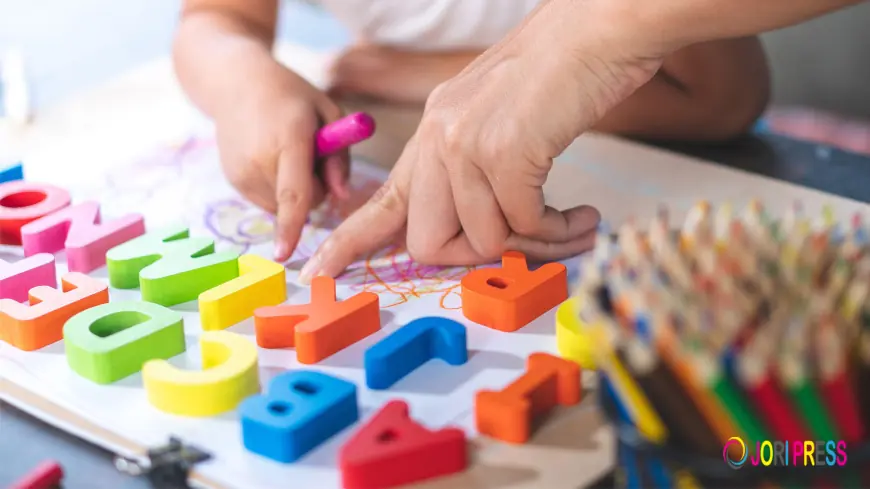
By focusing on letters that connect to the child’s everyday environment, we ensure that literacy activities for preschoolers feel relevant. Whether they are using wooden alphabet blocks or an interactive storybook app, the goal remains the same: to foster curiosity and confidence.
Moving beyond Alphabet Recognition
Once a child recognizes letters, the next step is building phonemic awareness. If your child can identify letters but struggles to blend them, it may be time to incorporate speech-to-text learning tools or gamified phonics apps. These digital resources provide the instant feedback that toddlers crave. When a child sees an animation reward after correctly identifying a sound, it reinforces positive learning behaviors, making them more likely to keep practicing.
10 Simple Alphabet Learning Activities for Preschoolers

To help your child master the alphabet, try mixing these physical activities with digital reinforcement from top-rated educational apps:
-
Beginning Sound Box: Gather household items. Pair this physical game with a phonics-based app to identify more words starting with the same sound.
-
Ordering letters of your child's name: Use magnetic letters, then transition to a letter sequencing app to reinforce the order.
-
Watercolor name surprise: A classic, mess-free tactile activity for toddlers and preschoolers.
-
Alphabet hopscotch: Draw letters outside; use a kids learning app to "unlock" the next letter after a successful hop.
-
Watercolor name tracing: Focus on fine motor skills and letter shape recognition.
-
Salt tray letter writing: The ultimate sensory experience. Follow up with a digital tracing tool to ensure proper stroke order.
-
Jumping jack name spelling: A physical way to teach spelling—perfect for high-energy learners!
-
Chalk letter writing: Use the driveway as a canvas. This reinforces learning in the "real world."
-
Alphabet cards dance: Play music and have kids dance to the letter you call out.
-
Water letter painting: Use a brush and water on the fence to "write" letters that disappear—the magic keeps them engaged!
Why Digital Learning Tools Are a Game-Changer in 2026
When parents search for kids learning apps, they often worry about quality. In 2026, the best tools are Adaptive Tutors.
-
Personalization: Unlike a static book, a smart learning app adjusts to your child’s pace. If they master 'S' but struggle with 'G', the app knows exactly what to repeat.
-
Gamified Phonetics: By turning phonics into a quest or a puzzle, apps remove the "work" from learning. This is crucial for preschoolers who need high engagement levels.
-
Screen Time Balance: Using educational apps for preschoolers in short, focused 15-minute bursts is far more effective than long, passive sessions.
Final Thoughts: Your Child’s Journey
You are your child’s first and most important teacher. By combining the physical, tactile world with the smart, interactive power of 2026 digital tools, you are giving them the ultimate head start.
The goal of teaching the alphabet is to turn the "work" of literacy into the "joy" of reading. By using these hands-on literacy activities and integrating the best kids' learning apps, you create a hybrid environment where your child can thrive at their own speed.
Ready to make alphabet mastery effortless? Don't just teach the alphabet—experience it.
Download the Zape Learning App Today and start your child's personalized, story-based learning journey. This app adapts to your child’s speed, ensuring they build confidence one letter at a time.
What's Your Reaction?
 Like
0
Like
0
 Dislike
0
Dislike
0
 Love
0
Love
0
 Funny
0
Funny
0
 Angry
0
Angry
0
 Sad
0
Sad
0
 Wow
0
Wow
0