






































How to Prevent Dry Socket: What to Do After a Tooth Extraction
Knowing how to prevent dry socket can make the recovery period after a tooth extraction much easier. Simple aftercare choices can help protect the extraction site while it heals.
A tooth extraction does not end when the tooth is removed. The days that follow are an important part of the healing process, especially because a blood clot needs to form and remain in the extraction socket.
If you're wondering how to prevent dry socket, the key is to avoid anything that could disturb that clot while your mouth begins to heal. A few simple changes to your routine can help protect the extraction site and make recovery more comfortable.
Why the Blood Clot Matters
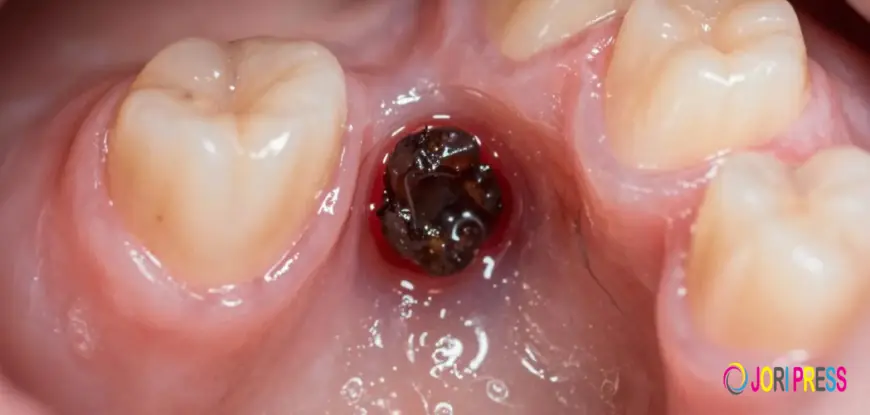
After an extraction, a blood clot naturally develops inside the empty socket. It acts as a protective layer over the underlying bone and nerve endings while new tissue forms.
When the clot becomes dislodged, dissolves too early, or fails to develop properly, the socket can become exposed. This condition is commonly known as dry socket, or alveolar osteitis.
Because the clot plays such an important role in healing, most aftercare recommendations are designed around protecting it.
7 Ways to Help Prevent Dry Socket
1. Avoid Straws
Using a straw creates suction inside the mouth. That pressure can interfere with the blood clot, particularly during the early stages of healing.
For that reason, drink normally from a cup and follow the specific instructions provided by your dentist about when it is safe to use a straw again.
2. Don't Smoke or Vape
Smoking is an important risk factor following tooth extraction. The sucking action can disturb the healing area, while nicotine can also interfere with the body's healing process.
If possible, avoid smoking and vaping during the recovery period and follow your dentist's recommendations for when you can safely resume.
3. Be Gentle When Rinsing
Rinsing too aggressively can disturb the extraction site. During the first day, avoid vigorous rinsing and spitting.
Once your dentist says rinsing is appropriate, gentle warm salt-water rinses may help keep the mouth clean without putting unnecessary pressure on the healing socket.
4. Choose Soft Foods
Your extraction site needs time to settle, so softer foods are generally easier to manage during the first few days.
Foods such as yogurt, mashed potatoes, scrambled eggs, and appropriately cooled soup can be easier choices. Smoothies may also work when eaten with a spoon rather than through a straw.
Try to chew away from the extraction area whenever possible.
5. Follow Gauze Instructions
Gauze helps control bleeding and gives the initial clot an opportunity to develop.
Your dentist may ask you to maintain steady pressure on the gauze for a specific amount of time after the procedure. Follow those instructions rather than repeatedly removing or repositioning the gauze.
6. Take It Easy for a Few Days
Strenuous physical activity can make recovery more difficult immediately after an extraction.
Give your body time to recover and avoid heavy exercise during the initial healing period unless your dentist gives you different instructions.
7. Keep Your Mouth Clean
Good oral hygiene remains important, but the extraction site needs to be treated carefully.
Continue brushing your teeth while avoiding direct irritation of the socket. Keeping the surrounding mouth clean can help reduce the buildup of bacteria without disturbing the healing tissue.
What Does Dry Socket Feel Like?
Normal discomfort following an extraction should generally become easier as the days pass. Dry socket often follows a different pattern.
Pain may become stronger rather than gradually improving, and it can sometimes spread toward the ear, jaw, or eye on the same side. Other possible signs include an unpleasant taste, persistent bad breath, or an extraction socket that appears unusually empty.
If pain becomes significantly worse a few days after the extraction, contact your dentist rather than assuming it is simply part of normal healing.
Is Dry Socket More Common After Wisdom Tooth Removal?
Wisdom tooth extractions can have a higher risk of dry socket because they may involve deeper or more complex surgical procedures.
That does not mean every wisdom tooth extraction will result in dry socket. Proper aftercare still matters, and your dentist can give you instructions based on the specific extraction and your recovery.
What If You Think You Have Dry Socket?
Looking at the extraction area may give you an idea that something is wrong, but visual inspection alone cannot confirm dry socket.
A dentist can examine the area and determine whether the symptoms are consistent with dry socket or another issue. Treatment may involve cleaning the socket, placing a medicated dressing, and recommending appropriate pain relief.
Home care may provide temporary comfort, but it should not replace a professional evaluation when symptoms are getting worse.
Final Takeaway
Understanding how to prevent dry socket mainly comes down to protecting the blood clot during the early healing period. Avoid suction from straws and smoking, choose gentle foods, don't rinse aggressively, limit strenuous activity, and follow the aftercare instructions provided by your dentist.
Most importantly, pay attention to how your symptoms change. If pain begins getting worse instead of better several days after an extraction, getting in touch with your dentist can help identify the problem and get appropriate treatment started.
What's Your Reaction?
 Like
0
Like
0
 Dislike
0
Dislike
0
 Love
0
Love
0
 Funny
0
Funny
0
 Angry
0
Angry
0
 Sad
0
Sad
0
 Wow
0
Wow
0