








































How to Prevent and Manage Pressure Ulcers Effectively?
Understanding the causes, stages, symptoms, and management strategies helps reduce complications and promotes long-term healing.

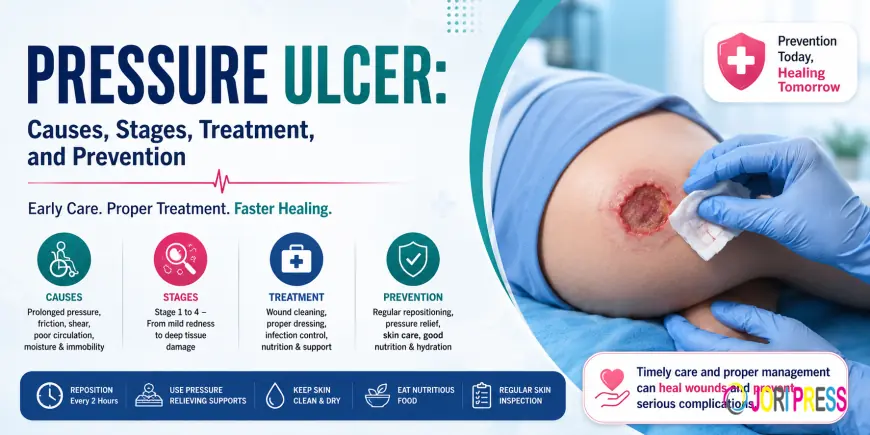
Pressure ulcers, also known as pressure injuries or bedsores, are localized injuries to the skin and underlying tissues caused by prolonged pressure, friction, or shear. They commonly affect individuals with limited mobility, including those confined to a bed or wheelchair. Without timely intervention, a pressure ulcer can progress from mild skin discoloration to deep tissue damage, leading to pain, infection, and delayed wound healing.
Proper pressure ulcer treatment, consistent pressure ulcer care, and preventive measures are essential for improving recovery and maintaining healthy skin. Understanding the causes, stages, symptoms, and management strategies helps reduce complications and promotes long-term healing.
What Is a Pressure Ulcer?
A pressure ulcer develops when continuous pressure reduces blood flow to a particular area of the body. Without adequate oxygen and nutrients, the skin and surrounding tissues begin to break down. Common pressure points include the heels, hips, tailbone, elbows, shoulders, and ankles.
People with limited mobility, spinal cord injuries, advanced age, diabetes, or poor circulation are at higher risk of developing pressure ulcers.
Common Causes of Pressure Ulcers
Several factors contribute to the development of a pressure ulcer, including:
- Prolonged pressure on the skin
- Friction from repeated movement
- Shear forces caused by sliding in bed or chairs
- Limited mobility
- Poor blood circulation
- Diabetes
- Malnutrition
- Dehydration
- Excess moisture from sweating or incontinence
- Reduced sensation caused by nerve damage
Managing these risk factors is one of the most effective ways to prevent pressure injuries.
Pressure Ulcer Stages
Pressure ulcers progress through different stages based on the severity of tissue damage.
Stage 1
The skin remains intact but shows persistent redness or discoloration. The affected area may feel warm, firm, or painful.
Stage 2
The skin breaks open, forming a shallow wound or blister. Early pressure ulcer treatment at this stage improves healing outcomes.
Stage 3
The wound extends deeper into the fatty tissue beneath the skin. Proper wound care becomes increasingly important to prevent infection.
Stage 4
Extensive tissue damage affects muscles, tendons, or bones. Stage 4 pressure ulcers require comprehensive pressure ulcer management and advanced wound care.
Symptoms of Pressure Ulcers
Common symptoms include:
- Persistent redness
- Skin discoloration
- Swelling
- Pain or tenderness
- Open sores
- Drainage
- Unpleasant odor
- Warm skin
- Delayed wound healing
- Black or dead tissue in severe cases
Early detection allows prompt treatment before complications develop.
Why Early Pressure Ulcer Treatment Matters
Immediate pressure ulcer treatment reduces the risk of infection and deeper tissue damage. Delayed treatment may result in chronic wounds that require longer recovery periods.
An effective treatment plan focuses on:
- Relieving pressure
- Cleaning the wound
- Protecting the wound with an appropriate wound dressing
- Supporting healthy tissue growth
- Preventing infection
- Monitoring healing progress
Pressure Ulcer Care Best Practices
Consistent pressure ulcer care is essential throughout the healing process.
Daily care includes:
- Inspecting the skin regularly
- Cleaning wounds gently
- Changing wound dressing as recommended
- Keeping skin clean and dry
- Repositioning every two hours
- Using pressure-relieving mattresses or cushions
- Protecting vulnerable skin areas
Following these practices creates the ideal environment for successful wound healing.
Importance of Wound Dressing
Selecting the correct wound dressing helps:
- Maintain moisture balance
- Protect against bacteria
- Absorb wound drainage
- Reduce contamination
- Promote healthy tissue regeneration
- Improve patient comfort
The appropriate dressing depends on the wound's stage and condition.
Nutrition and Pressure Ulcer Healing
Nutrition plays a significant role in pressure ulcer healing.
Important nutrients include:
- Protein
- Vitamin C
- Vitamin A
- Zinc
- Iron
- Healthy fats
- Adequate water intake
Proper nutrition supports collagen production, strengthens immunity, and accelerates tissue repair.
Pressure Ulcer Prevention
Preventing pressure ulcers is easier than treating advanced wounds.
Effective prevention includes:
- Frequent repositioning
- Pressure-relieving mattresses
- Daily skin inspection
- Good hygiene
- Maintaining healthy nutrition
- Controlling diabetes
- Staying hydrated
- Wearing properly fitted clothing
- Reducing friction and shear
- Early treatment of skin redness
These preventive measures significantly reduce the likelihood of pressure injuries.
Advanced Pressure Ulcer Management
Some wounds require advanced pressure ulcer management techniques, including:
- Professional wound assessment
- Specialized wound dressing
- Infection management
- Pressure redistribution
- Routine wound monitoring
- Nutritional support
- Long-term follow-up care
Advanced wound care helps improve recovery while reducing complications.
When to Seek Medical Care
Immediate medical attention is recommended if a pressure ulcer develops:
- Increasing redness
- Severe pain
- Heavy drainage
- Foul odor
- Fever
- Black tissue
- Rapid enlargement
- Delayed healing
Early intervention improves treatment outcomes and reduces the risk of severe infection.
Long-Term Skin Care
After recovery, ongoing preventive care remains important.
Patients should continue:
- Daily skin inspection
- Regular repositioning
- Proper nutrition
- Good hygiene
- Pressure relief
- Blood sugar management if diabetic
- Routine medical evaluations
Long-term care helps prevent future pressure ulcers and supports healthy skin.
Conclusion
A pressure ulcer requires prompt attention, consistent pressure ulcer care, and appropriate pressure ulcer treatment to prevent complications and promote healthy wound healing. Early recognition of symptoms, regular repositioning, proper wound dressing, balanced nutrition, and ongoing skin assessment all contribute to successful recovery. By following preventive strategies and maintaining a structured wound care routine, individuals can reduce the risk of pressure injuries and improve their overall quality of life.
What's Your Reaction?
 Like
0
Like
0
 Dislike
0
Dislike
0
 Love
0
Love
0
 Funny
0
Funny
0
 Angry
0
Angry
0
 Sad
0
Sad
0
 Wow
0
Wow
0