







































How to Maintain Hand Tools for Long-Term Performance
A complete guide to maintaining hand tools with easy cleaning, storage, and lubrication tips to improve performance, reliability, and long-term durability.
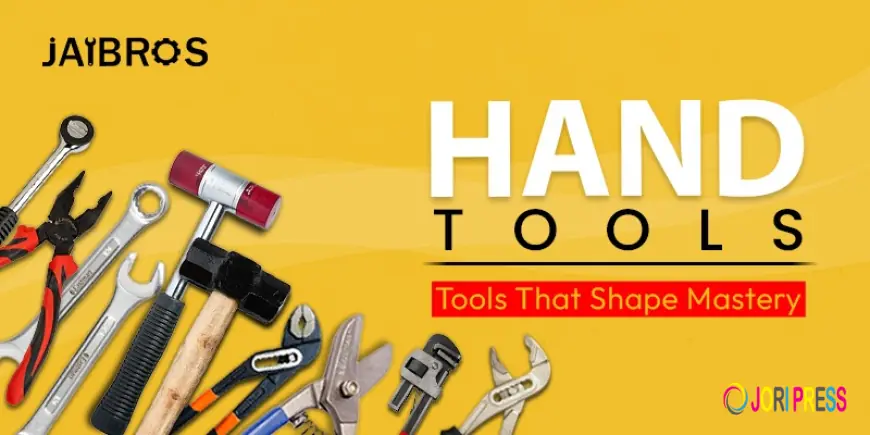
Maintenance is what is going to prolong the life of your hand tool equipment. No matter whether you are a professional, mechanic or hobbyist, correct maintenance of your hand tools will go a long way in making sure that you are able to achieve improved safety, accuracy and efficiency. Though it may be true that most people just focus on how much their hand tools cost them when purchasing them, it should be noted that performance is dependent on how well you maintain them rather than how much they cost. As long as you purchase your hand tools from a reputable hand tool online store or supplier, you won’t need any repair works at all.
Clean Your Tools After Every Use
Clean tools right after work and that will be one of the easiest practices to cultivate but have one of the most significant influences on performance. It is possible for dust, dirt, moisture, and metal particles to accumulate over time and lower productivity as well as lead to corrosion of tools. A couple of minutes to clean tools will save them from getting damaged.
Key Points:
-
Wipe every tool with a clean, dry cloth.
-
Remove grease using a suitable cleaning solution.
-
Use a soft brush to clean hard-to-reach areas.
-
Dry tools completely before storing them.
-
Never leave tools exposed to moisture for long periods.
Store Tools in a Safe and Dry Place
Even good quality tools may decay rapidly when stored improperly. Proper storage will prevent the deterioration of tools through rusting, accidental damage, and even excessive wear and tear. It is also time-saving since all the tools are accessible at any given time.
Key Points:
-
Store tools in a toolbox or cabinet.
-
Keep storage areas dry and well-ventilated.
-
Use wall racks for frequently used equipment.
-
Protect sharp edges with covers.
-
Organize your hand tool kit properly after every job.
Lubricate Moving Parts Regularly
Manual devices may also contain joints, pivots, or parts which require lubricants. The lack of lubricant causes friction, making it hard to operate the device. It also accelerates wear and tear. Lubrication guarantees smooth operation of the moving parts and prevents corrosion.
Key Points:
-
Apply light machine oil to moving joints.
-
Remove excess oil after lubrication.
-
Lubricate tools based on usage frequency.
-
Check adjustable mechanisms for smooth movement.
-
Avoid using excessive lubricant that attracts dust.
Inspect Tools Before and After Every Job
Regular inspections help identify small problems before they become expensive repairs. Loose handles, damaged grips, worn cutting edges, or rust spots should never be ignored. A few minutes spent checking tools improves workplace safety and ensures reliable performance throughout every project.
Key Points:
-
Look for cracks in handles.
-
Tighten loose nuts and screws.
-
Replace damaged grips immediately.
-
Check cutting edges for wear.
-
Remove rust as soon as it appears.
This practice becomes even more important when working alongside a CNC tool, where precision and consistency are essential for achieving accurate machining results.
Use Every Tool for Its Intended Purpose
Using the wrong tool may seem convenient, but it often causes permanent damage. For example, using pliers as a hammer or applying excessive force to adjustable tools shortens their lifespan. Selecting the correct equipment for every task improves both safety and efficiency.
Key Points:
-
Choose the right tool for every application.
-
Never exceed the recommended load.
-
Avoid modifying tools unnecessarily.
-
Follow the manufacturer's instructions.
-
Replace worn-out components instead of forcing damaged tools to work.
Create a Regular Maintenance Routine
The maintenance schedule will ensure that the tools are kept in great working order all through the year. The aim is not to allow any problem to arise but to prevent it from occurring in the first place.
Key Points:
-
Clean tools after every use.
-
Inspect them weekly.
-
Lubricate moving parts every month.
-
Remove rust immediately.
-
Record maintenance for frequently used tools.
Professionals operating a cnc machine often follow scheduled maintenance because even small issues can affect productivity. The same approach works equally well for manual workshop equipment.
Choose Quality Tools for Better Long-Term Value
Maintenance requires good choice of equipment. Comparison of hand tools cost is a sensible measure to adopt but it can be complemented with durability, material and construction criteria while buying the equipment. Buying equipment from a reputable hand tool online store enables you to look at the technicalities before making your purchase. Durability of the hand tool together with good maintenance guarantees that the equipment will work well for years to come. Same goes for the cleanliness of each CNC tool.
Key Points:
-
Focus on quality instead of only price.
-
Read product specifications carefully.
-
Compare customer reviews before purchasing.
-
Select tools suitable for your work requirements.
-
Invest in products designed for long-term use.
Conclusion
Performing maintenance on hand tools is the easiest way to increase their life expectancy and efficiency. Cleaning, storing properly, lubricating, and checking the tools on a regular basis helps prevent damages as well as retain their precision and safety. This reduces the cost of replacing them while ensuring that they serve effectively for every day’s use. No matter whether you are an expert or a novice, by applying these maintenance tricks, you can make the most out of your equipment. Those seeking reliable industrial tools and solutions for workshops should explore the extensive range of offerings available at jaibros.
FAQs
1. How often should I clean my hand tools?
You should clean them after every use to remove dirt, grease, and moisture that can lead to corrosion.
2. What is the best way to prevent rust on tools?
Store them in a dry place, keep them clean, and apply a light coat of protective oil regularly.
3. Why is lubrication important for tool maintenance?
Lubrication reduces friction, prevents wear on moving parts, and helps tools operate smoothly.
4. How do I know when a tool should be replaced?
Replace tools if they have severe rust, cracked handles, broken parts, or damage that affects safety and performance.
5. Does regular maintenance really improve tool life?
Yes. Consistent cleaning, inspection, lubrication, and proper storage significantly extend tool lifespan while maintaining performance.
What's Your Reaction?
 Like
0
Like
0
 Dislike
0
Dislike
0
 Love
0
Love
0
 Funny
0
Funny
0
 Angry
0
Angry
0
 Sad
0
Sad
0
 Wow
0
Wow
0