


































How to Identify Genuine Scopus Journals and Avoid Predatory Publishers in India?
Learn how to identify genuine Scopus journals in India, verify indexing status, and avoid predatory publishers with practical tips for researchers seeking reliable publication platforms.
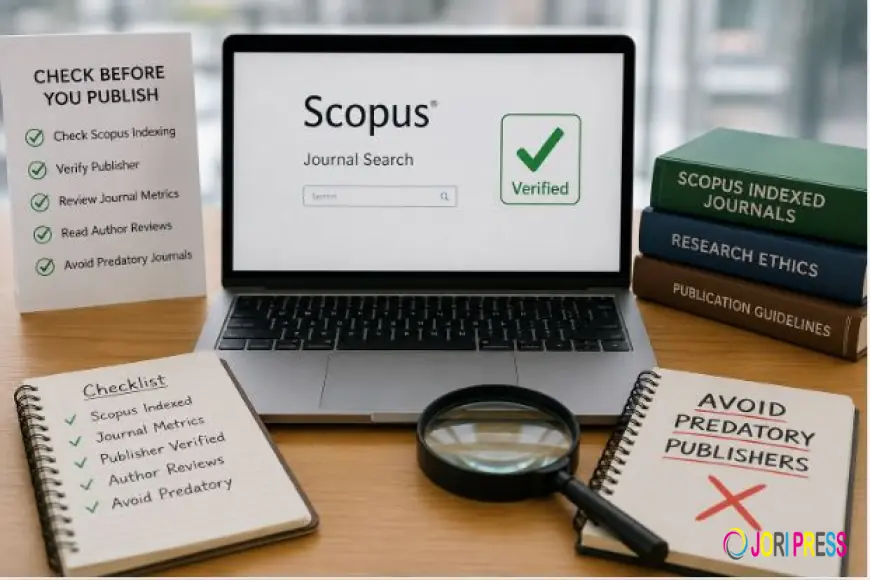
Publishing in a recognized academic journal is a crucial step for researchers, PhD scholars, and academicians seeking professional growth and wider research visibility. In India, Scopus-indexed journals are highly valued for academic recognition, career development, and institutional requirements. However, the increasing demand for Scopus publications has also created opportunities for predatory publishers and fake journals to deceive authors. These unreliable platforms often make false indexing claims and compromise research quality. Therefore, learning how to verify genuine Scopus journals and identify trustworthy publishers is essential to protect academic credibility and ensure successful research publication.
For the latest information on Scopus-indexed journals, visit: allconferencealert.com/journal
What Are Scopus Journals and Why Are They Important?
Scopus is one of the world’s largest abstract and citation databases that indexes high-quality academic journals, conference proceedings, and research publications across various disciplines. Journals included in Scopus undergo evaluation based on factors such as editorial quality, publication ethics, citation performance, and peer-review standards.
For Indian researchers, publishing in a genuine Scopus-indexed journal can provide several benefits:
Increased visibility of research work.
Recognition among the global academic community.
Better opportunities for collaboration.
Support for PhD and academic career requirements.
Improved research credibility.
How to Verify Whether a Journal Is Truly Indexed in Scopus?
Verifying a journal’s Scopus indexing status is an essential step before submitting research work. Researchers should always check the official Scopus source list to confirm the journal title, ISSN, publisher details, subject area, and coverage period. It is also important to review the journal’s current status, as some titles may be discontinued or no longer covered. Comparing information from the journal website, Scopus database, and publisher records helps identify fake identities, incorrect ISSNs, and misleading indexing claims.
What Indian PhD Scholars Should Consider Before Choosing a Scopus Journal?
Selecting the right Scopus journal is an important decision for Indian PhD scholars and researchers. Before submitting a manuscript, authors should evaluate whether the journal’s scope matches their research area and consider factors such as quartile ranking, acceptance process, publication timeline, and article processing charges. It is also essential to check university guidelines and institutional requirements. Choosing a suitable journal not only improves publication success but also adds long-term academic value and strengthens research credibility.
Steps to Take If You Suspect a Journal Is Predatory
When researchers suspect that a journal may be predatory, taking careful verification steps is essential before submitting any manuscript. Authors should confirm journal details through official databases and avoid sharing research work until the publication’s authenticity is established. Seeking guidance from supervisors, experienced researchers, or institutional experts can help identify potential risks. If misleading claims or unethical publishing practices are discovered, researchers should consider reporting such activities to protect the academic community and maintain research integrity.
Selecting the right Scopus journal requires thorough evaluation rather than relying on quick publication offers or attractive promises. Authentic journals focus on maintaining research quality, transparent peer-review processes, and ethical publishing standards. Indian researchers can safeguard their academic reputation and ensure meaningful research impact by carefully verifying a journal’s indexing status, publisher credibility, and overall publishing practices before submitting their manuscripts. Making an informed choice helps researchers achieve reliable publications and long-term academic growth.
What's Your Reaction?
 Like
0
Like
0
 Dislike
0
Dislike
0
 Love
0
Love
0
 Funny
0
Funny
0
 Angry
0
Angry
0
 Sad
0
Sad
0
 Wow
0
Wow
0