








































How to Identify a Low-Quality CNC Tool Before Buying
Learn how to identify a low-quality CNC tool by checking material, dimensions, coating, cutting edges, compatibility, and supplier reliability before buying.
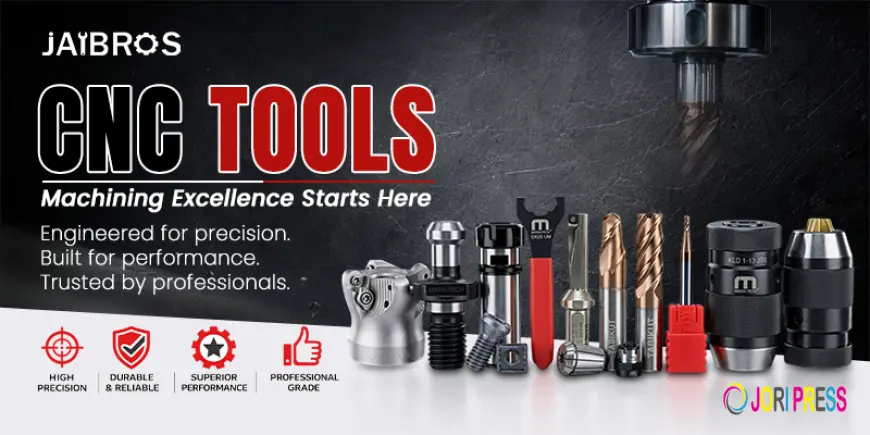
How to Spot a Low-Quality CNC Tool Before You Buy
Choosing the right cutting product is important for maintaining machining accuracy, productivity, and tool life. A poor-quality product may look affordable, but it can lead to faster wear, poor surface finish, dimensional errors, and increased production costs.
With many CNC tools online and local suppliers available, buyers should know how to identify quality before making a purchase.
1. Check the Material Quality
Material is one of the most important factors when evaluating a CNC tool. Different machining applications require different materials and grades.
For example, carbide is preferred for applications requiring high hardness and wear resistance. A quality carbide drill can provide reliable performance when manufactured from the correct carbide grade.
Always check whether the supplier provides information about material grade, hardness, and recommended applications.
2. Inspect the Cutting Edge
A quality cutting edge should be sharp, consistent, and free from visible cracks or chips. Uneven edges can increase cutting forces, vibration, and tool wear.
Before buying, check product images carefully and, when possible, request detailed specifications or samples from the supplier.
3. Check Dimensions and Geometry
Proper dimensions are essential for accurate machining. Check the diameter, overall length, flute design, and other specifications against your machine requirements.
For inspection, a digital caliper vernier can help verify external dimensions and lengths. Consistent geometry is particularly important for CNC machining because even small variations can affect the finished component.
4. Look at the Coating and Surface Finish
Some cutting products use specialized coatings to improve wear resistance and reduce friction. However, simply having a coating does not guarantee good quality.
Check whether the coating is applied evenly and whether the supplier clearly mentions the coating type and its intended application.
Rough surfaces, scratches, discoloration, or inconsistent coating can be warning signs that require further investigation.
5. Don't Choose Only by Price
An extremely low price can be attractive, but it should not be the only factor in your purchasing decision. A cheaper product may require frequent replacement and can increase downtime.
When comparing the best CNC tools, consider tool life, machining performance, replacement costs, and supplier reliability rather than focusing only on the initial price.
6. Check CNC Machine Compatibility
Different types of CNC machine have different requirements. Before purchasing, verify spindle speed, tool holder compatibility, machine capacity, workpiece material, and recommended cutting parameters.
A product that works well for one machining application may not be suitable for another.
For example, a thread mill is designed for thread milling, while a carbide drill is intended for drilling operations. Selecting an application-specific product can improve machining performance.
7. Research the Supplier
The supplier's reputation is another important factor. Whether you are searching for CNC tools near me or purchasing from an online supplier, check product specifications, company information, customer feedback, and technical support.
Reliable suppliers generally provide detailed product descriptions and clear specifications. Be cautious when a seller provides little technical information or makes unrealistic performance claims.
Warning Signs of a Low-Quality Product
Before buying, watch for:
-
Missing material specifications
-
Poor-quality product images
-
Uneven cutting edges
-
Inconsistent dimensions
-
Unclear coating information
-
Extremely low pricing
-
No technical support
-
Incomplete product descriptions
-
No clear return or replacement policy
Several of these signs together should encourage you to investigate the product and supplier more carefully.
Conclusion
Identifying quality before purchasing can help manufacturers avoid unnecessary tool replacement, machining errors, and production downtime. Buyers should evaluate material, geometry, dimensions, coating, compatibility, and supplier reputation before making a decision.
Jaibros provides a range of machining and measurement solutions, including drilling and threading products, carbide tools, and precision measuring equipment. With a focus on quality and reliable industrial solutions, Jaibros helps manufacturers select products suited to different machining requirements.
What's Your Reaction?
 Like
0
Like
0
 Dislike
0
Dislike
0
 Love
0
Love
0
 Funny
0
Funny
0
 Angry
0
Angry
0
 Sad
0
Sad
0
 Wow
0
Wow
0