


































How to Choose an Indica Strain: A Guide to Flavour, Potency, and Genetics
Choosing an indica strain involves evaluating flavour profiles, THC and CBD potency, genetics, and product quality. Understanding these factors helps consumers compare varieties and make informed, responsible decisions.

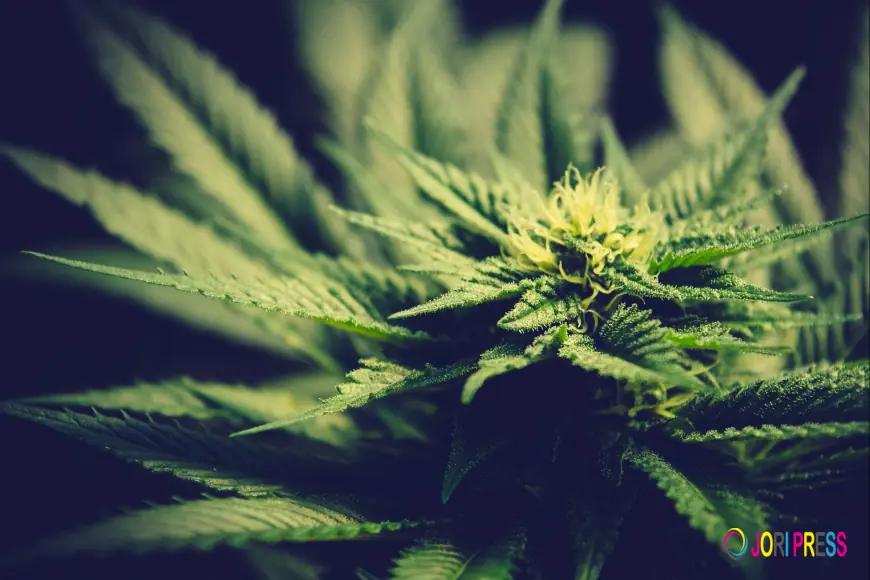
Choosing the right indica cannabis strain involves more than picking a popular name. Flavour, potency, genetics, and personal preferences all influence the overall experience. Whether you are a beginner or an experienced cannabis enthusiast, understanding these factors can help you make a more informed choice. This guide explores what to consider when comparing indica strains and how to evaluate their characteristics responsibly.
1. Understand the Flavour Profile
Flavour is one of the first characteristics cannabis enthusiasts notice when comparing indica strains. Different varieties can offer distinctive aromas and taste profiles, ranging from sweet and fruity to earthy, spicy, and pungent.
Some indica varieties feature berry, grape, or vanilla notes, while others are recognised for their pine, herbal, or classic kush-like aromas. These differences are influenced partly by terpenes, aromatic compounds found in cannabis and many other plants.
For example, myrcene is often associated with earthy and musky aromas, while limonene is known for citrus notes. Linalool can contribute floral characteristics, and caryophyllene is associated with spicy, peppery aromas.
When comparing strains, consider whether you prefer sweet, fruity flavours or deeper, earthy profiles. Remember that aroma can vary depending on cultivation, curing, storage, and the individual product.
2. Check THC Potency and CBD Content
Potency is another important consideration when evaluating indica strains. THC (tetrahydrocannabinol) is the primary intoxicating compound in cannabis, while CBD (cannabidiol) is a non-intoxicating cannabinoid that can influence the overall effects of certain cannabis products.
Products with higher THC concentrations may produce more intense intoxicating effects, but THC percentage alone does not reliably predict how a person will respond. Individual tolerance, consumption method, product composition, and previous experience can all influence the outcome.
Beginners should be particularly cautious with high-THC products because they may cause anxiety, dizziness, impaired coordination, or an uncomfortable experience. Checking the product label for THC and CBD information can provide a clearer understanding of its composition.
It is also important to remember that indica classification does not guarantee a particular strength or effect.
3. Explore the Genetics Behind Each Strain
Cannabis genetics help explain why different strains have different characteristics. Traditional indica varieties are associated historically with regions of Central and South Asia, while modern commercial strains frequently have complex hybrid ancestry.
Today, many products labelled indica are indica-dominant hybrids rather than genetically pure indica plants. Breeders cross varieties to develop particular combinations of aromas, cannabinoid concentrations, plant characteristics, and other traits.
When researching a strain, look for reliable information about its parent varieties, genetic background, and available laboratory testing. Reputable product information may also describe its terpene profile and cannabinoid composition.
However, strain names and indica or sativa labels are not always consistent between producers. These categories alone cannot reliably predict a product's chemical composition or effects.
4. Consider Your Preferences and Experience
Your personal preferences should guide how you evaluate different strains. Consider whether aroma, flavour, cannabinoid content, or genetic background matters most to you.
If you are new to cannabis, prioritise clear product information and lower-THC options rather than choosing solely by popularity or advertised potency. Experienced consumers should also avoid assuming that familiar strain names will always deliver identical experiences.
Avoid driving or operating machinery after using intoxicating cannabis. Cannabis use also carries particular risks for adolescents, pregnant individuals, and people vulnerable to certain mental health conditions.
5. Look for Quality and Reliable Information
Product quality is just as important as strain selection. Look for transparent labelling, appropriate storage, and independent laboratory testing where available. Testing can help verify cannabinoid content and identify certain contaminants.
Avoid relying entirely on online reviews, marketing claims, or strain descriptions that promise specific medical benefits. Individual experiences vary, and cannabis should not replace professional medical advice or prescribed treatment.
Conclusion
Choosing an indica strain requires considering flavour, potency, genetics, and product quality together. Understanding terpene profiles, checking cannabinoid information, and researching genetic backgrounds can help you compare available options more thoughtfully. Rather than relying on strain names or THC percentages alone, prioritise reliable information, personal safety, and responsible decision-making when evaluating cannabis products.
What's Your Reaction?
 Like
0
Like
0
 Dislike
0
Dislike
0
 Love
0
Love
0
 Funny
0
Funny
0
 Angry
0
Angry
0
 Sad
0
Sad
0
 Wow
0
Wow
0