





































How to Build an SAP Risk Management Framework for Subcontractor Compliance After ECC
Learn how SAP Risk Management helps EPC companies strengthen subcontractor compliance, reduce risks, and improve governance after SAP S/4HANA migration.

Subcontractor compliance is one of the most challenging responsibilities for engineering, procurement, and construction (EPC) companies. Managing multiple contractors across project locations requires continuous oversight of statutory documentation, contractual commitments, financial exposure, and workplace safety.
In traditional SAP ECC environments, subcontractor information may be distributed across procurement, finance, project systems, and external documents. This fragmentation can make it difficult to identify compliance failures before they affect project execution.
As organizations transition toward SAP S/4HANA, they have an opportunity to redesign these processes rather than replicate existing limitations.
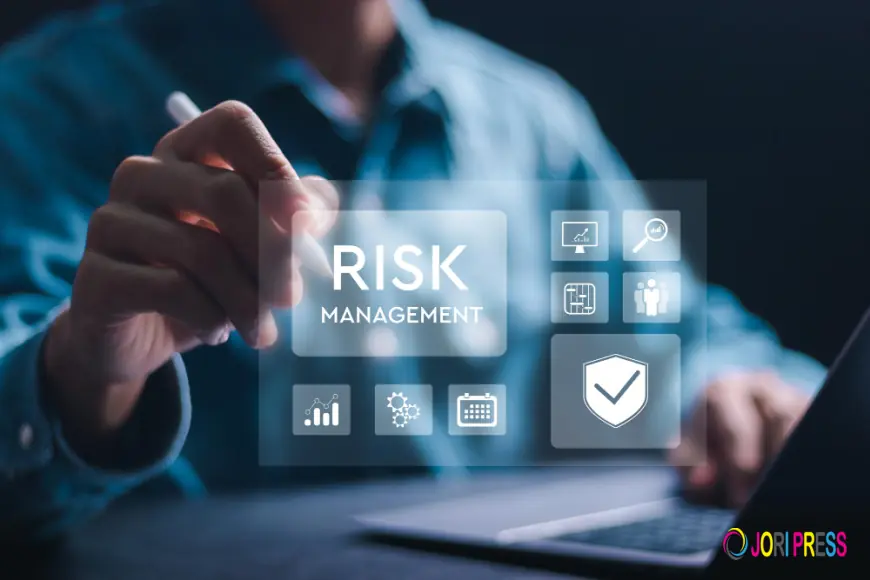
Building an effective SAP Risk Management framework after ECC requires structured risk assessments, reliable subcontractor information, clearly defined responsibilities, and integrated compliance monitoring.
For Indian EPC companies, the objective should be to establish a governance framework that identifies emerging risks, supports timely intervention, and strengthens accountability throughout the subcontractor lifecycle.
Why SAP Risk Management Matters After ECC
SAP ECC has supported enterprise operations for many years, including procurement, finance, inventory, and project management.
However, organizations often develop additional manual processes to manage subcontractor documentation and compliance requirements.
These processes may depend on spreadsheets, emails, and disconnected reporting systems.
During SAP S/4HANA migration, businesses can evaluate whether existing controls provide sufficient visibility into subcontractor risks.
SAP Risk Management supports enterprise risk identification, assessment, response planning, and monitoring.
It helps organizations document significant risks, assign ownership, and evaluate mitigation activities.
However, dedicated risk management capabilities require appropriate SAP applications and configuration. Migrating to SAP S/4HANA does not automatically introduce every governance, risk, and compliance function.
Step 1: Identify Critical Subcontractor Compliance Risks
The first step is identifying the risks associated with subcontractor engagement.
EPC contractors work with civil construction companies, electrical contractors, fabrication specialists, equipment installers, and other service providers.
Each category may involve different regulatory and contractual requirements.
Organizations should evaluate risks involving:
-
Expired licences and statutory registrations.
-
Inadequate insurance coverage.
-
Labour-related compliance deficiencies.
-
Unresolved safety observations.
-
Delayed contractual milestones.
-
Outstanding advances and financial exposure.
Risk categories should reflect applicable regulations, project conditions, and contractual obligations.
A standardized classification framework helps management compare exposure across multiple subcontractors and projects.
Step 2: Establish Reliable Subcontractor Master Data
Effective risk monitoring depends on accurate subcontractor information.
Duplicate vendor records, inconsistent identifiers, and outdated documentation can weaken compliance reporting.
During SAP S/4HANA migration, organizations should review subcontractor master data and establish clear ownership.
Important information may include registration details, contractual relationships, applicable certifications, insurance validity, and project assignments.
The required fields should reflect actual business and compliance needs.
Reliable master data makes it easier to connect subcontractor information with procurement transactions and project activities.
Organizations should also establish procedures for maintaining records after migration.
Step 3: Connect Risk Assessments With Operational Information
Subcontractor risks often become more significant when considered alongside financial and project information.
For example, an expired insurance policy may require urgent attention when the subcontractor is performing safety-sensitive work.
Similarly, a contractor experiencing financial difficulties may create greater exposure when substantial advance payments remain outstanding.
Integrating relevant information helps organizations assess these relationships.
SAP-supported procurement, finance, and project applications can provide operational context for enterprise risk assessments.
However, automated monitoring requires suitable interfaces, configured workflows, and appropriate complementary applications.
The objective is to connect meaningful risk indicators with management decisions rather than simply consolidate more data.
Step 4: Define Compliance Ownership and Approval Responsibilities
Technology cannot replace clearly assigned responsibilities.
An effective subcontractor compliance framework should identify who verifies documents, evaluates risks, approves exceptions, and monitors corrective actions.
Procurement teams may manage supplier qualification, while project teams assess operational consequences.
Finance departments evaluate payment exposure, and compliance specialists interpret applicable regulatory requirements.
Approval procedures should establish escalation thresholds for significant exceptions.
For example, a critical statutory deficiency may require management review before affected work proceeds.
Documented responsibilities reduce confusion and strengthen accountability.
Step 5: Establish Continuous Risk Monitoring
Periodic compliance reviews remain valuable, but subcontractor conditions can change between scheduled assessments.
Organizations should establish monitoring frequencies according to contractor criticality and potential exposure.
High-risk subcontractors may require more frequent verification.
Useful indicators include overdue document renewals, unresolved safety findings, repeated quality failures, and significant milestone delays.
SAP Risk Management can support monitoring of identified risks and mitigation activities.
Automated notifications and transactional restrictions depend on the capabilities of the connected applications.
Management should regularly review whether monitoring procedures identify meaningful issues early enough for corrective action.
Step 6: Strengthen Compliance Controls During SAP S/4HANA Migration
An SAP S/4HANA migration provides an opportunity to improve data governance, reporting, and business processes.
However, poorly planned migration activities can create new compliance weaknesses.
Organizations should assess whether historical subcontractor records remain accessible and whether important approval procedures continue operating correctly.
Testing should cover:
-
Supplier master data accuracy.
-
Compliance document accessibility.
-
Procurement approval workflows.
-
Financial authorization controls.
-
Critical integration interfaces.
-
Risk reporting and escalation procedures.
Historical records may require migration, archiving, or controlled legacy access depending on applicable retention obligations.
Business stakeholders should validate critical controls before production deployment.
Step 7: Use SAP Consulting Services to Design the Framework
Building a reliable governance framework requires knowledge of enterprise processes, SAP architecture, and compliance requirements.
SAP consulting services can support risk assessments, process mapping, data preparation, integration planning, and system testing.
Consultants should work with procurement, finance, project management, and compliance teams to identify existing weaknesses.
Implementation planning should distinguish enterprise risk governance from transactional control monitoring.
This prevents organizations from expecting a single application to perform every compliance activity.
A well-designed framework aligns technology with practical operational responsibilities.
Step 8: Measure Compliance and Risk Management Effectiveness
An effective framework should produce measurable improvements.
Organizations should evaluate whether significant risks are identified earlier and whether corrective actions reduce exposure.
Useful performance indicators include unresolved high-risk findings, overdue mitigation activities, repeated subcontractor violations, and supplier-related project disruptions.
Management should also measure the time required to escalate critical issues.
These indicators help determine whether compliance governance is improving beyond basic checklist completion.
Regular reviews allow organizations to refine risk classifications and monitoring procedures.
How Geschäft Formulae Supports Post-ECC Risk Management
Geschäft Formulae provides SAP implementation, migration, integration, and consulting services for Indian enterprises.
For EPC organizations planning modernization, the focus should extend beyond technical migration to include procurement governance, subcontractor information, financial controls, and operational reporting.
Geschäft Formulae can support businesses in assessing existing SAP environments, planning SAP S/4HANA migration, and designing integrations that improve visibility across enterprise processes.
Its SAP consulting services can help organizations align technology decisions with practical business requirements.
The goal is to establish a dependable operational foundation that supports stronger risk governance and more consistent subcontractor oversight.
Businesses exploring SAP modernization can visit Geschäft Formulae to learn more about its solutions and services.
Conclusion
Building an SAP Risk Management framework after ECC requires more than transferring existing processes into a new ERP environment.
Indian EPC companies should use the transition to strengthen subcontractor qualification, data governance, risk assessments, compliance monitoring, and management accountability.
A successful SAP S/4HANA migration can provide a stronger operational foundation, while appropriate governance applications and integrations support structured risk management.
With effective planning and experienced SAP consulting services, organizations can reduce documentation gaps, improve risk visibility, and protect project execution.
FAQ
1. How does SAP Risk Management support subcontractor compliance after ECC?
SAP Risk Management supports structured identification, assessment, monitoring, and mitigation of subcontractor-related risks. When connected with relevant business information, it helps organizations evaluate compliance exposure and assign corrective responsibilities.
2. Does SAP S/4HANA migration automatically improve subcontractor compliance?
No. Migration creates opportunities to improve data quality, reporting, and workflows, but effective compliance monitoring requires appropriate applications, configuration, integration, and clearly defined governance procedures.
3. What subcontractor compliance risks should EPC companies prioritize?
EPC companies should prioritize risks involving statutory documentation, insurance coverage, workplace safety, contractual performance, financial exposure, and critical project dependencies. Requirements vary according to project activities and applicable regulations.
4. Why are SAP consulting services important for post-ECC risk management?
SAP consulting services help organizations assess existing controls, plan integrations, improve data governance, test critical processes, and align technology implementation with business requirements.
5. How can EPC companies measure the effectiveness of their SAP Risk Management framework?
Organizations can track unresolved high-risk findings, overdue corrective actions, recurring compliance violations, subcontractor-related disruptions, and risk escalation times. These indicators help evaluate whether governance improvements reduce operational and financial exposure.
What's Your Reaction?
 Like
0
 Dislike
0
 Love
0
 Funny
0
 Angry
0
 Sad
0
 Wow
0