







































How Smart Building Analytics Can Reduce Energy Costs in Commercial Buildings

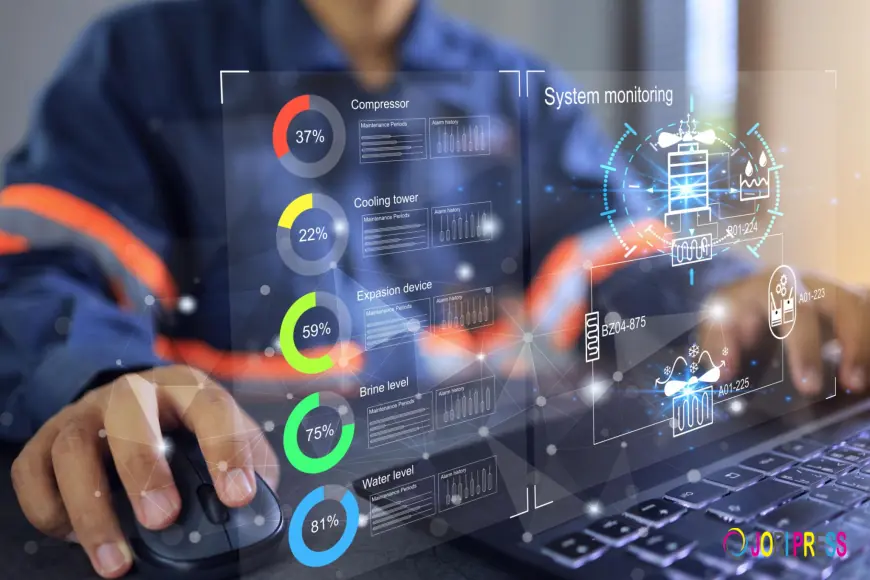
Modern commercial buildings generate enormous amounts of operational data every day. From HVAC systems and chillers to lighting, energy meters, and Building Management Systems (BMS), valuable information is constantly being produced. The challenge for many building owners and facility managers is not collecting data—it is turning that data into actionable insights.
This is where smart building analytics plays a critical role.
By combining building controls, monitoring systems, energy dashboards, and performance analytics, organizations can identify inefficiencies, improve operational performance, and make informed decisions that support long-term sustainability goals.
Why Energy Efficiency Has Become a Priority
Commercial buildings are under increasing pressure to optimize operating costs while maintaining occupant comfort and meeting sustainability objectives. Developers, facility managers, and asset owners are looking for practical ways to improve building performance without major capital expenditure.
Traditional building operations often rely on fixed schedules and manual interventions. Over time, this can lead to inefficient equipment operation, unnecessary energy consumption, unstable system performance, and higher operating costs.
Smart building analytics provides visibility into how building systems are actually performing and helps organizations make data-driven improvements.
What Is Smart Building Analytics?
Smart building analytics refers to the use of operational data from building systems to monitor performance, identify inefficiencies, and support optimization initiatives.
These analytics can be integrated with:
- Building Management Systems (BMS)
- HVAC control systems
- Chiller plants
- Smart meters
- IoT monitoring devices
- Energy dashboards
- Digital engineering platforms
The goal is simple: transform building data into meaningful insights that help improve efficiency and operational reliability.
How Analytics Helps Improve Building Performance
1. Better Visibility Into Energy Consumption
Many commercial buildings struggle with limited visibility into where energy is being consumed.
Through smart metering and centralized dashboards, facility teams can monitor energy usage across different systems and areas of the building. This enables faster identification of abnormal consumption patterns and opportunities for improvement.
When building operators understand how energy is being used, they can prioritize corrective actions more effectively.
2. HVAC and Chiller Plant Optimization
HVAC systems are often among the largest energy consumers in commercial facilities.
Analytics-driven optimization helps facility teams evaluate:
- Equipment performance
- Load balancing
- System sequencing
- Control logic effectiveness
- Operating schedules
Instead of relying on assumptions, decisions can be based on actual performance data. This helps improve operational efficiency while maintaining occupant comfort.
3. Early Detection of Operational Issues
Small performance issues often go unnoticed until they become expensive problems.
Through trend analysis and continuous monitoring, analytics can help identify:
- Inefficient operating sequences
- Control overrides
- Sensor anomalies
- Airflow challenges
- Equipment performance deviations
Detecting these issues early allows teams to take corrective action before energy waste increases or system reliability is affected.
4. Data-Driven Decision Making
Building owners and facility managers frequently face questions such as:
- Should a system be upgraded?
- Is a retrofit necessary?
- Can existing equipment be optimized?
Analytics provides objective performance data that supports better investment decisions. Rather than replacing systems unnecessarily, organizations can focus on improvements that deliver measurable value.
This aligns with a practical, ROI-focused approach to building optimization.
Supporting Sustainability Goals
Energy efficiency is not only about reducing operating costs. It is also a key component of broader sustainability initiatives.
Organizations pursuing green building certifications, ESG objectives, or sustainability programs require accurate performance information to support decision-making.
Smart building analytics contributes by:
- Improving operational efficiency
- Supporting energy monitoring initiatives
- Providing performance insights
- Enabling continuous improvement strategies
- Supporting sustainability and environmental goals
Combined with energy modeling, simulation, and sustainability consulting, analytics becomes an important tool for long-term building performance management.
The Future of Commercial Building Operations
As digital transformation continues across the construction and infrastructure sectors, building owners are increasingly adopting smarter operational strategies.
Technologies such as IoT monitoring, energy dashboards, predictive analytics, and digital engineering solutions are helping organizations move from reactive maintenance toward proactive performance management.
The result is better visibility, improved system reliability, and more informed operational decisions.
Conclusion
Smart building analytics is no longer limited to large-scale developments or complex infrastructure projects. Commercial buildings of all sizes can benefit from improved visibility, data-driven decision-making, and optimized system performance.
By leveraging controls optimization, smart metering, IoT-based monitoring, energy dashboards, and performance analytics, organizations can create more efficient and sustainable buildings while improving operational outcomes.
Conserve Solutions supports organizations across Saudi Arabia with multidisciplinary engineering, sustainability, digital transformation, controls & automation, and energy optimization services. Through practical, data-driven approaches, Conserve Solutions helps clients improve building performance, enhance operational efficiency, and support long-term sustainability objectives.
What's Your Reaction?
 Like
0
Like
0
 Dislike
0
Dislike
0
 Love
0
Love
0
 Funny
0
Funny
0
 Angry
0
Angry
0
 Sad
0
Sad
0
 Wow
0
Wow
0