


































How Local Businesses Can Turn Online Searches Into More Calls and Customer Enquiries
When someone searches for a nearby service, they are often looking for more than general information. They may need a contractor, marketing agency, repair specialist, restaurant, or professional service provider and want to find a reliable business without spending hours comparing options.
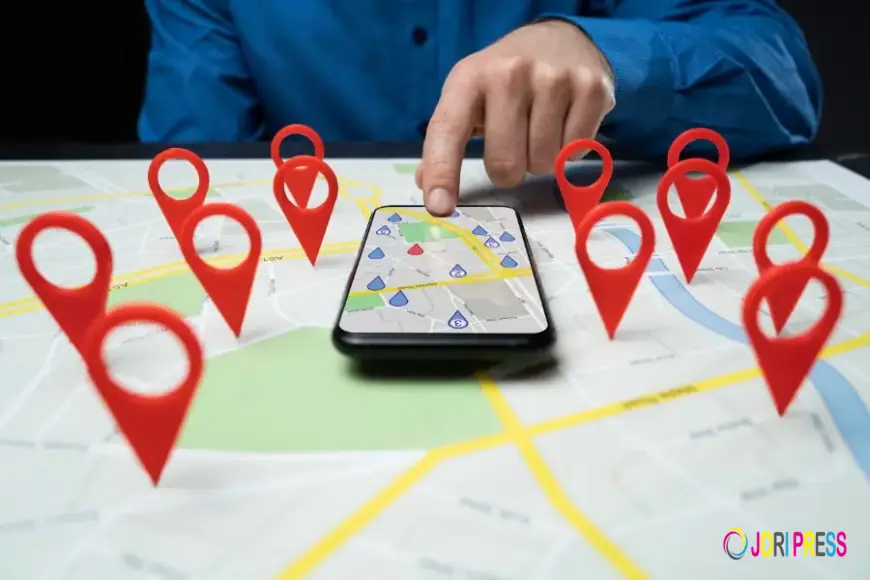
When someone searches for a nearby service, they are often looking for more than general information. They may need a contractor, marketing agency, repair specialist, restaurant, or professional service provider and want to find a reliable business without spending hours comparing options.
For local businesses, appearing in search results is an important first step. However, visibility alone does not guarantee new customers. A business may receive website visits, profile views, and search impressions without generating enough calls or enquiries.
The real opportunity lies in connecting local search visibility with a smooth customer journey. From the moment someone discovers a business to the point where they make contact, every interaction should build confidence and make the next step clear.
Here are practical ways local businesses can turn online searches into meaningful customer enquiries.
1. Understand What Local Customers Are Looking For
Local search behaviour is often driven by immediate needs. Someone searching for an emergency plumber has different expectations from someone researching a company for a future renovation project.
Understanding search intent helps businesses create more relevant pages and improve the information presented to potential customers.
Common local search patterns include:
-
Service-based searches: People looking for a specific service, such as plumbing, landscaping, or website development.
-
Location-based searches: Customers including a city or neighbourhood in their search.
-
Near-me searches: People looking for businesses or services close to their current location.
-
Comparison searches: Customers comparing providers, prices, reviews, and service quality.
-
Brand searches: People searching for a business they have already heard about.
A business should consider these different search patterns when planning its website content and local marketing strategy.
For example, a company serving London, Ontario, may need dedicated information about its core services, service areas, and the problems it solves for customers in the region.
2. Optimise Your Google Business Profile for Customer Actions
A Google Business Profile can influence how potential customers discover and evaluate a local business.
It provides important information directly within Google Search and Maps, allowing people to review business details before visiting the website.
An effective profile should include:
-
The correct business name and primary category
-
Accurate address or service-area information
-
Updated phone number and website link
-
Relevant business hours
-
Detailed service descriptions
-
High-quality and authentic business photographs
-
Regular updates through relevant posts
-
Genuine customer reviews and responses
Businesses should also make sure that the information on their profile matches their website.
A complete profile helps customers understand what the business offers and how to contact it. However, simply filling in every available field does not guarantee better rankings. Relevance, distance, prominence, and other factors influence local search visibility.
3. Create Location Pages That Give Customers Useful Information
Businesses serving multiple cities or communities should make it easy for customers to understand where services are available.
Location-specific landing pages can help achieve this when each page provides meaningful information about the relevant area.
For example, a business serving London, St. Thomas, Woodstock, and Strathroy in Ontario could create dedicated pages explaining its services in each location.
A useful location page should include:
-
A clear description of services available in that area
-
Relevant local customer needs or considerations
-
Service availability and coverage information
-
Relevant project examples, where available
-
Contact details and a clear enquiry option
-
Links to related service pages
Avoid creating multiple pages by simply replacing one city name with another. Search engines and visitors both benefit from original, useful content.
Businesses can strengthen their local presence by working with specialists offering Local SEO services in London, Ontario.
4. Make Customer Reviews Part of Your Marketing Process
Reviews play an important role when people compare local service providers.
A potential customer may discover several businesses offering similar services. In that situation, review quality, recency, and the way a business responds can influence their decision.
Businesses should develop a consistent process for requesting honest feedback after a completed transaction or service.
A practical review management approach includes:
-
Ask customers for feedback after a positive service experience.
-
Share a direct link that makes leaving a review convenient.
-
Respond professionally to positive and negative feedback.
-
Address genuine concerns instead of using generic replies.
-
Monitor recurring feedback to identify service improvements.
Businesses should never purchase fake reviews or offer incentives in exchange for positive ratings. Reviews should represent genuine customer experiences and comply with the relevant platform's policies.
Responding thoughtfully also shows potential customers that the business takes feedback seriously.
5. Match Website Content With Local Search Intent
A common problem with local business websites is that they describe services too broadly.
A page might mention several services without explaining what customers receive, who the service is intended for, or which areas are covered.
This creates uncertainty for people who are ready to contact a provider.
Instead, each important service should have a dedicated page with information that answers customer questions.
For example, a digital marketing company could create separate pages for SEO, website development, local SEO, and AI search optimisation.
Each page should explain the service, its potential benefits, the process involved, and how a customer can get started.
Relevant educational content can also support these pages by answering common questions and providing additional context.
For businesses that need stronger organic search foundations, professional SEO services in London, Ontario can help improve website structure, content relevance, and search visibility.
6. Improve Mobile Experience and Make Contact Easy
Many local searches happen when people are using their smartphones. If a website is difficult to navigate on a mobile device, potential customers may leave before making contact.
A mobile-friendly website should make essential information easy to find.
Important improvements include:
-
Displaying the phone number prominently
-
Providing clickable call and email links
-
Keeping contact forms short and simple
-
Using readable fonts and appropriately sized buttons
-
Avoiding intrusive pop-ups
-
Making service and location information easy to access
-
Ensuring pages load efficiently on mobile connections
Consider the experience of someone searching for a local service while travelling or managing a busy schedule. They may not want to navigate several pages just to find a phone number.
The easier it is to understand the offer and contact the business, the fewer unnecessary barriers stand between discovery and enquiry.
7. Use Local Business Listings Consistently
Business directories and relevant industry platforms can help customers discover service providers.
They also provide additional places where people can verify business information.
However, listing a business on hundreds of unrelated directories is not necessarily an effective strategy.
Prioritise platforms that are relevant to your industry, location, and audience.
Check that important business details remain consistent, including:
-
Business name
-
Address or service-area details
-
Phone number
-
Website URL
-
Main business category
-
Service descriptions
If a business changes its phone number, address, or operating hours, update its important listings as well as its website and Google Business Profile.
Consistent information reduces confusion and supports a more reliable online presence.
8. Add Clear Calls to Action Across Important Pages
A visitor should not have to guess what to do after reading a service page.
Every important landing page should provide a clear next step based on the customer's likely needs.
Examples include:
-
Request a Free Consultation
-
Get a Project Estimate
-
Call Our Team
-
Book a Service
-
Send an Enquiry
The call to action should be relevant to the service being promoted.
For instance, a web development page could encourage visitors to request a project consultation, while a home repair business might prioritise direct phone enquiries.
Avoid placing too many competing calls to action on the same page. A clear primary action supported by relevant secondary options generally creates a more focused experience.
9. Track Which Local Marketing Activities Generate Enquiries
Businesses need to understand whether their local search efforts are generating actual opportunities.
Ranking improvements and website traffic can be useful indicators, but they do not tell the complete story.
Tracking should focus on customer actions as well as visibility.
Useful metrics include:
| Metric | What It Helps Measure |
|---|---|
| Google Business Profile calls | Phone interactions from the profile |
| Website clicks | Visits generated through the profile |
| Organic traffic | Visitors arriving through search engines |
| Contact form submissions | Direct website enquiries |
| Phone call conversions | Calls generated by marketing activity |
| Conversion rate | Percentage of visitors completing a desired action |
| Qualified leads | Enquiries that match the business's target customers |
Google Analytics 4 and Google Search Console can help businesses understand website traffic and search performance. Call tracking and properly configured conversion events can provide additional insight into lead generation.
It is important to distinguish between clicks, enquiries, and qualified leads. A high number of website visits does not necessarily mean that a business is attracting the right audience.
10. Build a Local SEO Strategy That Supports Long-Term Growth
Local search optimisation should not be treated as a one-time activity.
Competitors change their websites, customers leave new reviews, business information gets updated, and search behaviour evolves.
A consistent strategy helps businesses maintain their online presence and identify new opportunities.
A practical ongoing approach may include:
-
Reviewing Google Business Profile information regularly
-
Publishing useful website content
-
Updating important service and location pages
-
Monitoring customer reviews
-
Checking website performance and technical issues
-
Reviewing local keyword visibility
-
Analysing calls, forms, and qualified enquiries
-
Improving pages that receive traffic but generate few conversions
Businesses should also review their competitors to understand how they present services, communicate value, and address customer concerns.
The objective is not to copy competing websites but to identify opportunities to provide clearer information and a better customer experience.
Final Thoughts
Local search visibility is valuable, but its real business impact depends on what happens after someone discovers your company.
A well-maintained Google Business Profile, useful location pages, authentic reviews, relevant service content, and an accessible mobile website can help customers move from searching to making contact.
Businesses should measure success through meaningful outcomes rather than rankings and traffic alone. By combining local search optimisation with conversion-focused website improvements, companies can build a stronger online presence and create more opportunities to attract qualified customers.
What's Your Reaction?
 Like
0
 Dislike
0
 Love
0
 Funny
0
 Angry
0
 Sad
0
 Wow
0