






























How Does CollabNexus Help Brands Get Influencers for Their Promotions?
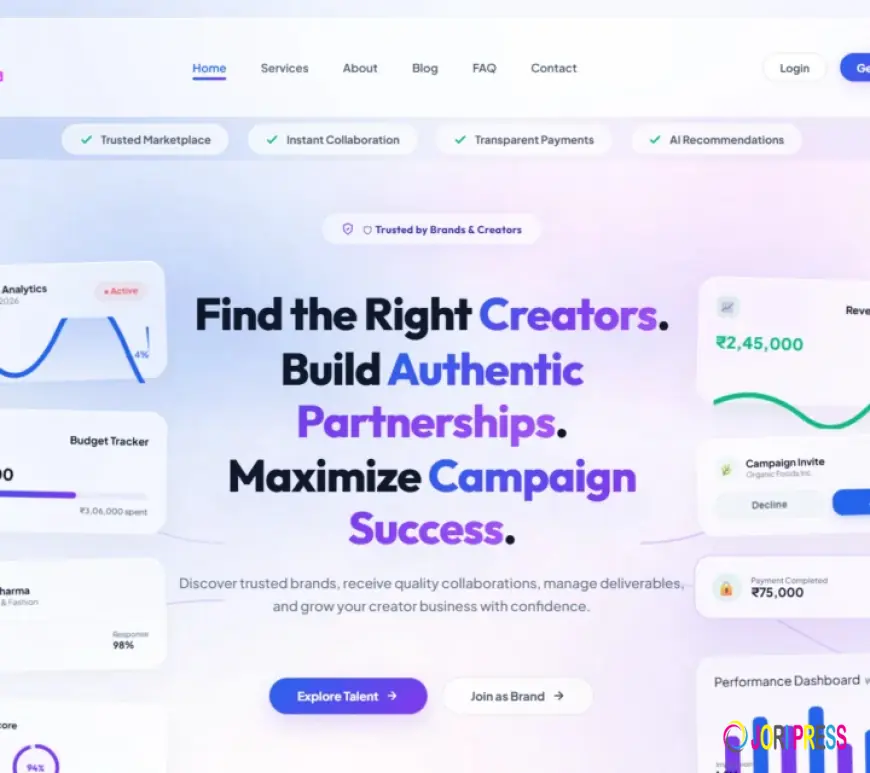
Influencer Marketing → this has been an integral part of modern-day digital marketing. From billion-dollar behemoths to fledgling startups, brands are teaming with creators for increased visibility, product demonstrations, niche audience targeting and enhanced engagement across potential customers. But one big challenge still exists, identifying the right influencers for a campaign.
Manually searching social media profiles can consume a lot of time. Brands should evaluate an influencers niche, audience type/brand fit, brand engagement rate, quality of content being posted, geography and follower count before partnering.
CollabNexus is a tool already simplifying this process by getting brands with influencers and creators for consideration on your media campaign. Instead of wasting hours perusing through several channels, brands can utilize a specialized influencer marketing platform to find creators and generated collaboration opportunities all in one place.
Why Do Brands Need Influencers for Promotions?
Brands can reach a wider audience with traditional advertising, but influencer marketing takes promotion to the next level with a more personalized approach. Some creators have communities already built around their specific interests and thus their recommendations become relevant to their follower ship.
Like if a fashion influencer can market clothing brands to an audience who is interested in fashion, and a fitness creator can promote workout products to health-conscious followers.
Here are some general things brands can do with influencer marketing:
● Increase brand awareness
● Promote new products
● Reach specific audiences
● Generate social media engagement
● Create high-quality content
● Drive traffic to websites
● Support product launches
● Build social proof
● Generate leads and potential sales
The trick is to select creators whose audiences and subject matter align with the campaign.
What Challenges Do Brands Face When Finding Influencers?
It is not just a question of finding accounts with thousands or millions of followers. A successful partnership is about proper selection.
Some common challenges include:
Finding Relevant Creators
One challenge that brands may face is finding creators who are within their specific industry or niche. A creator can have millions of followers but is still not ideal if the majority of their audience would be uninterested in your company's products.
Evaluating Engagement
But a high follower count does not always mean you give greater influence. Other important factors can be engagement, audience interaction, content quality and authenticity.
Managing Outreach
Getting tenure with influencers directly on social media can eat your time as well, especially when working with a multitude of creators for one-and-done campaign.
Finding the Right Influencer Category
Different Campaigns Need Different Creators Nano or micro influencers might be best for a local business, but macro or mega influencers would fit right in if launching a national product.
Given these demands, a platform-based approach can help simplify these tasks.
How Does CollabNexus Help Brands Find Influencers?
CollabNexus offers brands a separate space to find creators and explore promotional collaborations. Below are a few of the key ways it can help for influencer campaigns!
1. Helps Discover Relevant Influencers
When executing an influencer campaign, the very first step is finding creators who fit the need of a brand.
Also, if brands need to search for influencers to align with their campaigns on certain key criteria rather than simply relying on random social media searches. It helps narrow down your focus to creators working in relevant niches and, therefore, audiences that may be interested in whatever product or service the company is trying to sell.
To demonstrate, a beauty company can look for beauty and lifestyle creators whereas a food brand can search for food bloggers and creators.
2. Connects Brands With Different Creator Categories
But not every influencer serves the same marketing role, and their sizes vary significantly.
Influencers come in different sizes, and each category can serve a different marketing purpose.
Nano Influencers
Nano influencers have a smaller community but are very niche. Brands craving for personal recommendation and niche audiences can benefit from them.
Micro Influencers
Micro influencers often have good relationships with their followers and the ability to provide targeted reach. This works best for niche campaigns.
Mid-Tier Influencers
These creators strike a balance between audience size and engagement, making them ideal for brands seeking wider reach without jumping directly into celebrity-tier campaigns.
Macro Influencers
With the ability to reach large audiences and earn brand awareness, macro influencers are your best bet if you have some extra budget.
Mega Influencers and Celebrities
Famous creators and celebrities can provide significant exposure as well for large scale campaigns, which makes it easier to shave off segments of a product or brand.
More creator categories provide businesses with flexibility in crafting their influencer strategy.
3. Helps Brands Focus on Audience Relevance
When it comes to picking the best influencer, more is not always better.
In terms of relevance to your audience, it is generally likely to be the other way around. The first question we should ask is whether a creator has the type of followers, which are the brand's target customers.
A skin-care company should focus on creators with audiences interested in beauty and skincare, rather than blindly selecting creators based solely on their millions of followers.
Instead of simply pushing communication with a generally relevant offer, an audience-first approach helps make promotional campaigns more meaningful and thereby contributes to increasing engagement.
4. Simplifies Brand-Influencer Connections
Once you find appropriate creators, brands must create communication and talk about campaign needs.
CollabNexus works with brands and creators to discover collaboration opportunities. Doing this can eliminate the need for brands to rely entirely on individual social search and outreach.
Centralized control also streamlines
5. Supports Different Types of Promotional Content
Influencer campaigns can be so much more than a product plug.
Brands work with creators on a project by project basis - here are ways you may partner together based on the needs of the campaign.
○ Instagram Reels
○ Social media posts
○ Stories
○ Product reviews
○ Unboxing videos
○ Tutorials
○ Product demonstrations
○ Lifestyle content
○ User-generated content
○ Promotional videos
Brands can choose content formats based on their goals for the campaign and collaborate only with creators who are comfortable creating that form of content.
6. Makes Niche Influencer Marketing Easier
Highly niche creators are arguably most effective when it comes to brands selling unique products.
A creator with a small, niche audience can drive more valuable engagement than a generalist influencer with millions of followers.
Such as tech brands work with technology creators, fitness companies partner to collaborate with fitness influencers and travel businesses partnered collaborate with travel creator.
This enables brands to go beyond mass reach and to concentrate more on audience segments that are most likely interested in what they promote.
7. Saves Time During Influencer Research
If you search for creators manually, this might involve several steps. Marketing teams might have to scour social platforms, open profiles, assess content, look at engagement numbers, reach out to creators and follow up repeatedly.
This process is even more complex when a brand has multiple campaigns on the go at one time.
Once you know which influencer platform works best, the process of discovering influencers as well as the manual research will also be reduced. This way, teams have more time to create campaign concepts while spending much less time searching for creators.
8. Helps Brands Build Long-Term Partnerships
One of the key aspects to keep in mind, is influencer marketing can be utilized right up till October 2023 or beyond and it does not have to be just a one-time promotion.
If they produce strong content that resonates well with the relevant audience, a brand will then start building a longer-term partnership.
Continuous collaboration allows creators to get familiar and comfortable with the product, values, and messaging of the brand.
A creator is already familiar with the brand they are promoting from their long-term relationship which means promotional content can be perceived more naturally by audiences.
9. Supports Different Campaign Goals
No two influencer campaigns serve the same purpose. Brands should know exactly what they want before getting in touch with creators.
Common objectives include:
Brand Awareness
Helps new audiences discover a brand or product
Product Promotion
Influencers can demonstrate products, describe their uses or talk about their personal experiences.
Content Creation
Brands can partner with creators to create native content that fuels their social and digital marketing endeavors.
Engagement
Encouraging the discussions, comments, shares and interactions around a campaign that creators can do.
Product Launches
They can build buzz over a new product before it launches. Or, they can help support an influencer campaign when the product is newly released.
This objective helps brands determine the right creator to work with and which format of content is ideal.
Best Practices for Brands Working With Influencers
Influencer discovery is just one phase in a winning campaign. Brands should also define a formal and professional onboarding process.
Here are some useful practices:
○ Focus on how relevant your audience is, rather than the sheer number of followers.
○ Inspect the quality and consistency of its creator.
○ Evaluate the extent of engagement before entering into any partnership.
○ Clearly communicate campaign objectives.
○ Define content requirements and deadlines.
○ Give creators appropriate creative freedom.
○ Maintain professional communication.
○ Track campaign performance.
○ Build relationships with successful creators.
As someone who knows their audience best, giving creators some creative wiggle room can make their sponsored content feel more organic.
How Brands Can Get Started
Brands should always lay out a simple campaign plan before they start looking for influencers.
Consider the following:
1. Define the objective: Is it to create awareness, engage, sell or produce content?
2. Identify the target audience: Know to whom a campaign should be reached.
3. Select relevant niches: Search for content creators — whose works align with the product or service.
4. Choose the creator category: Search for content creators — whose works align with the product or service.
5. Decide the content format: Choose whether your campaign needs Reels, posts, Stories, reviews, tutorials, or any other format.
6. Establish deliverables: You have to specify what the influencer will give you.
7. Measure results: Choose Some Meaningful Metrics to track like reach, engagement, clicks or leads or conversions.
If these requirements are set, brands can find relevant creators through CollabNexus and exploit business models with them.
Conclusion
Panoramic impact of finding the perfect influencer for a promotional campaign Indeed, as more brands venture into creator partnerships, it can be difficult for even the most seasoned marketers to manually identify creators with strong engagement and to customize their outreach– especially if they are running multiple campaigns with different priorities.
CollabNexus, a platform designed to streamline how brands find influencers, creators connect with brands and explore collaborative opportunities. By leveraging various creator categories and niche-centric collaborations, brands can execute more targeted campaigns that are in line with their key audiences and marketing goals.
In the end, influencer marketing is more than just raw follower numbers. It's about engaging the right creator, getting in front of the right audience and creating genuine content that works towards a brand's goals. However, when an appropriate plan and a suitable platform are employed, influencer partnerships could be a beneficial and long-term marketing possibility for brands.
What's Your Reaction?
 Like
0
Like
0
 Dislike
0
Dislike
0
 Love
0
Love
0
 Funny
0
Funny
0
 Angry
0
Angry
0
 Sad
0
Sad
0
 Wow
0
Wow
0