




































How Do You Know If an ESA Letter Contains the Right Information?
Learn how to check whether an ESA letter includes the essential information, professional details, and key elements needed for housing and other valid purposes.

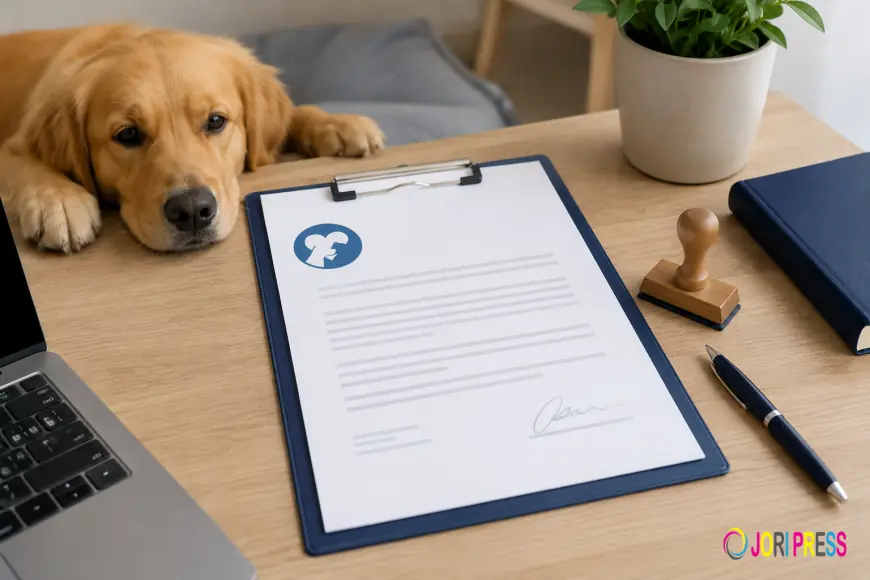
An emotional support animal letter is one of the most important documents a pet owner with a mental or emotional health condition can have. It gives your animal companion legal recognition as a source of therapeutic support, and it can make the difference between a smooth housing experience and a frustrating dispute with a landlord. But not every letter that claims to be an ESA letter actually holds up.
Many people search for an ESA letter sample online just to compare their own document and check whether it looks legitimate. This article explains what a proper ESA letter should include and how you can confirm yours meets the standard.
Why the Details in an ESA Letter Matter
An ESA letter is not just a note that says "this person has an emotional support animal." It is a clinical document written by a licensed mental health professional, and it carries legal weight under fair housing rules.
If the letter is missing key details, incorrectly formatted, or written by someone who is not properly licensed, it can be rejected by a landlord or housing provider. This is why understanding the required content is so important before you rely on the letter for housing accommodation purposes.
Core Elements Every ESA Letter Should Include
The Professional's Licensing Information
A legitimate ESA letter must be written and signed by a licensed mental health professional such as a therapist, psychologist, psychiatrist, or licensed clinical social worker. The letter should state the type of license held, the license number, the state where the license was issued, and the date the license was granted.
Without this information, a housing provider has no way to verify that the letter came from a qualified source.
A Statement of the Client Relationship
The letter should clearly state that the mental health professional has evaluated the individual and is currently treating them, or has treated them for a sufficient period to make an informed clinical judgment.
Some letters are flagged as invalid because they come from a provider who only had a single brief phone consultation with no real assessment involved.
Confirmation of a Qualifying Condition
The letter needs to confirm that the individual has a diagnosed mental or emotional condition that is recognized in the Diagnostic and Statistical Manual of Mental Disorders.
The specific diagnosis does not always need to be named directly for privacy reasons, but the letter must confirm that a qualifying condition exists.
The Therapeutic Need for the Animal
This is the heart of the letter. It must explain that the presence of the animal is necessary to help alleviate one or more symptoms of the person's condition. A generic statement without any explanation of therapeutic benefit is often not enough to satisfy strict housing providers.
Letterhead and Contact Details
A proper ESA letter should be printed on official letterhead that includes the practice name, address, and phone number. This adds a layer of professionalism and verifiability that a plain typed note cannot offer.
Date and Signature
Every letter needs a current date and an original signature from the mental health professional. Many housing providers only accept letters that are less than one year old, so an outdated letter may need to be renewed even if everything else about it is accurate.
Comparing Your Letter Against a Trusted Template
If you already have a letter in hand, the easiest way to confirm it is properly written is to compare it side by side with a template from a trusted source. A good reference document will show you the expected structure, tone, and placement of each required element.
When you compare, pay attention to whether your letter follows a similar layout, includes each of the sections mentioned above, and reads as a formal clinical document rather than a casual note.
Common Red Flags to Watch For
There are a few warning signs that suggest an ESA letter may not be valid.
-
The letter was issued instantly online without any real evaluation process
-
There is no license number or state of licensure listed
-
The letter promises a specific breed or number of animals without addressing individual need
-
The document uses vague or overly generic language that could apply to anyone
-
There is no clear renewal date or the letter is more than twelve months old
If you notice any of these issues, it is worth reaching out to a licensed provider to have the letter corrected or reissued.
Working With a Trusted Provider
Because so many low quality services exist online, choosing a reputable and properly licensed provider matters a great deal. My ESA Therapist connects individuals with licensed mental health professionals who conduct real evaluations and produce letters that include every element housing providers expect to see.
Working with an established provider reduces the chance that your letter will be questioned or denied later on.
What to Do If Your Letter Is Rejected
If a landlord or housing provider rejects your ESA letter, ask them specifically what element was missing or considered insufficient. In many cases, the issue can be resolved by requesting an updated letter from your mental health professional that adds the missing information.
It is far better to correct these details proactively than to wait until you are in the middle of a housing dispute.
Final Thoughts
An ESA letter is only as strong as the information it contains. Before relying on your letter for a housing accommodation request, take the time to review it carefully. Confirm that it includes proper licensing details, a clear clinical relationship, a stated diagnosis, an explanation of therapeutic need, correct letterhead, and a current signature and date.
Comparing your document against a trusted reference can help you spot gaps quickly, and working with a qualified provider can help ensure your letter is accurate and complete from the start. Taking these steps protects both you and your emotional support animal from unnecessary complications down the road.
What's Your Reaction?
 Like
0
Like
0
 Dislike
0
Dislike
0
 Love
0
Love
0
 Funny
0
Funny
0
 Angry
0
Angry
0
 Sad
0
Sad
0
 Wow
0
Wow
0