






































How Do Shipping Container Modifications Impact Sustainability and Waste Reduction?

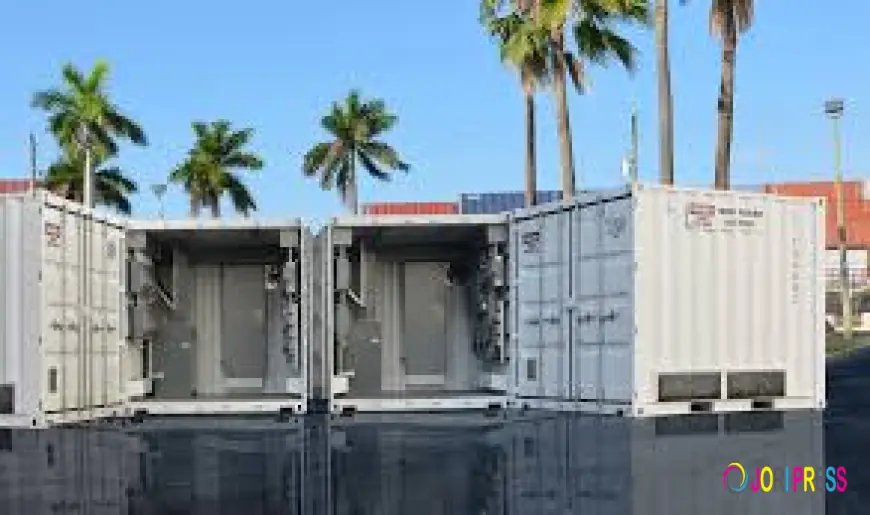
Old steel boxes travel oceans every day. After years of use, many sit idle. Piles grow fast. Scrap yards fill up. A smarter path exists. Shipping container modifications turn these boxes into useful spaces. People turn them into offices, homes, labs, and shops. This reuse cuts waste and saves raw materials. It also supports greener building habits. Let’s explore how simple changes to containers help the planet and reduce trash.
Giving Old Steel a New Life
Steel takes huge amounts of energy to make. Mining, melting, and shaping leave a heavy mark on land and air. Reusing a container skips most of this work. Crews keep the frame and walls. They change only what matters.
This reuse keeps tons of steel out of landfills. It also lowers demand for new metal. Less mining means less harm to soil and water. One reused container can save thousands of pounds of steel from scrap.
Less Waste During Construction
Traditional builds create piles of trash. Wood cuts, broken bricks, and extra cement end up tossed away. Container builds work with a fixed shell. Waste drops fast.
Key waste cuts include:
l Fewer raw materials
l Limited site debris
l Short build time
Crews plan cuts with care. Each change has a purpose. Less mess means cleaner sites and fewer haul-offs.
Smaller Carbon Footprint
Shorter builds use less power. Fewer machines run. Fewer trucks roll in and out. This drop lowers fuel use and air pollution.
Containers also ship by nature. Moving them to a site uses paths already in place. No need for special loads or custom frames. This simple move saves fuel and time.
Smart Insulation and Energy Use
Mod builders add insulation to walls and roofs. This keeps heat in during cold months. It keeps heat out during warm months. Rooms stay comfy with less power.
Many projects add solar panels or low-use lights. These upgrades cut power needs. Lower use means lower emissions over time.
Flexible Spaces Reduce Future Waste
Needs change. Buildings often fail to adapt. Owners tear them down and start fresh. Containers adapt with ease.
A unit used for storage today can serve as a workspace tomorrow. Office container modifications show this strength. Desks, windows, and wiring fit inside the same shell. When needs shift, crews update the space instead of tossing it.
This flexibility reduces future waste. One box serves many lives.
Water Use Gets a Boost
Many container projects include rain catch systems. Roofs collect water for cleaning or plant care. Low-flow sinks and toilets also fit well in small spaces.
Water smart features cut strain on city systems. Less draw helps during dry spells. Small steps add up fast.
Supports Circular Economy Thinking
A circular system keeps materials in use. Containers fit this idea well. They start as cargo boxes. Later, they turn into buildings. After years, steel is recycled again.
This loop keeps the value high and waste low. Shipping container modifications support this cycle by design. Each stage adds purpose without heavy loss.
Office Spaces with a Green Edge
Workspaces often waste energy. Large offices sit half empty. Container offices stay compact. Teams use space with care.
Office container modifications help firms cut build waste and power use. These offices move if needed. No teardown required. Less waste follows each move.
Benefits include:
l Lower build impact
l Easy relocation
l Reduced energy use
Green choices also boost brand image. Clients notice care for the planet.
Final Thought
Reuse beats replace. Modified containers show how simple choices cut waste and save resources. Steel stays in use. Energy use drops. Trash piles shrink. Office container modifications prove green ideas can feel practical and smart. Each reused box keeps the planet a bit cleaner and the future a bit brighter.
What's Your Reaction?
 Like
0
Like
0
 Dislike
0
Dislike
0
 Love
0
Love
0
 Funny
0
Funny
0
 Angry
0
Angry
0
 Sad
0
Sad
0
 Wow
0
Wow
0