





































How Does a Cashew Nuts Company in India Process Raw Cashews?
Learn how a cashew nuts company in India processes raw cashews, from cleaning and shelling to grading, quality checks, and safe packaging.

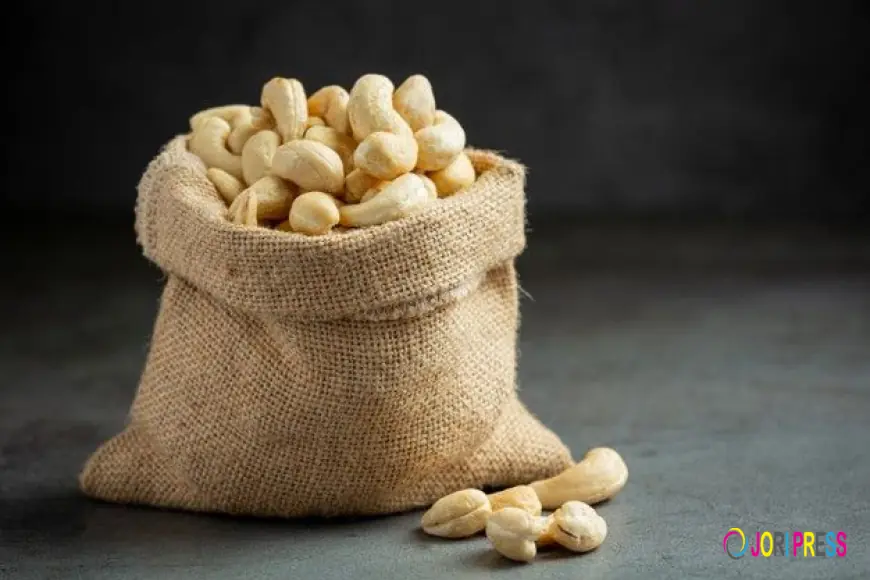
Cashew nuts are widely used in Indian households, confectionery, bakeries, snack manufacturing, and the food processing industry. However, before cashews reach consumers as ready-to-eat kernels, they pass through several carefully controlled stages, including raw nut inspection, steaming or roasting, shelling, drying, peeling, grading, and packaging. Understanding these steps helps buyers evaluate product quality, food safety, and processing standards.
A Cashew Nuts Company in India plays an important role in transforming harvested raw cashew nuts into edible kernels suitable for domestic consumption and international markets. The quality of the finished product depends on raw material selection, processing techniques, moisture control, hygiene, and proper storage.
This guide explains how raw cashews are processed, how different kernel grades are produced, what quality checks matter, and what buyers should understand when evaluating cashew processors and suppliers.
What Is Cashew Nut Processing?
Cashew nut processing is the process of separating edible cashew kernels from their hard outer shells and preparing them for consumption or further food manufacturing.
Cashew nuts grow attached to cashew apples. After harvesting, the nuts are separated, dried, and collected for processing. The raw nut contains a hard shell surrounding the kernel, along with cashew nut shell liquid (CNSL), which can irritate the skin and requires appropriate handling.
A professional cashew processing operation must therefore use suitable equipment, trained workers, and established safety procedures to extract kernels without unnecessary breakage or contamination.
The main processing stages include:
-
Raw cashew inspection and cleaning
-
Drying and conditioning
-
Steam cooking or roasting
-
Shelling and kernel extraction
-
Kernel drying
-
Removal of the thin testa, or skin
-
Grading and quality inspection
-
Packaging and storage
The exact method may vary depending on the processing facility, equipment, raw nut characteristics, and intended product.
Step-by-Step: How a Cashew Nuts Company in India Processes Raw Cashews
1. Raw Cashew Nut Procurement and Inspection
The process begins with sourcing raw cashew nuts from farms, aggregators, or other suppliers. Depending on the processor's requirements, raw nuts may come from Indian cashew-growing regions or international sources.
Before processing, the nuts are inspected for visible defects, excessive moisture, foreign materials, insect damage, and signs of mould or deterioration.
Processors may also assess parameters such as nut count, outturn, and kernel recovery potential. These measurements help estimate how much usable kernel can be obtained from a given quantity of raw nuts.
A reliable Cashew Nuts Company in India needs a consistent raw material inspection process because poor-quality inputs can affect yield, appearance, flavour, and food safety.
2. Cleaning and Drying the Raw Nuts
After inspection, raw cashew nuts are cleaned to remove stones, dirt, leaves, and other unwanted materials.
The nuts may then be dried to bring their moisture content to a suitable level for storage and subsequent processing. Proper drying helps reduce deterioration during storage and supports more consistent shelling.
However, excessive drying can make the nuts brittle, while insufficient drying may create processing and storage problems. Processors must therefore follow suitable moisture specifications rather than relying on appearance alone.
3. Steam Cooking or Roasting
Cashew shells are hard and difficult to open without preparation. To make shell removal easier, processors commonly use steam treatment or controlled roasting methods.
Steam cooking helps soften the shell structure and facilitates kernel extraction. It can also help manage the shell liquid during subsequent operations when suitable equipment and handling procedures are used.
Some processing systems use roasting or other controlled heat-treatment techniques. The method selected depends on the facility's technology, production requirements, and safety procedures.
This stage requires particular care because cashew nut shell liquid can cause irritation and burns. Workers must use appropriate protective equipment, ventilation, and machinery designed for the process.
4. Shelling and Kernel Extraction
Once the nuts have been conditioned, they move to the shelling stage. This operation separates the edible kernel from the outer shell.
Shelling may be performed manually, mechanically, or through a combination of both methods. Mechanical shellers can improve processing speed, while manual assistance may be used where precision is required.
The objective is to extract kernels while minimising breakage. Whole kernels generally have different commercial applications and price considerations compared with split or broken kernels.
The outer shell and shell liquid must be managed separately from edible kernels to prevent contamination and support safe by-product handling.
5. Kernel Drying
After shelling, the kernels may retain a thin outer skin called the testa. Controlled drying helps loosen this skin, making the subsequent peeling process easier.
Drying also helps bring the kernels to suitable moisture conditions for further handling and storage. The exact time and temperature depend on the equipment, kernel characteristics, and processing specifications.
Insufficient drying can make peeling difficult. Excessive heat, on the other hand, may affect colour, texture, or flavour.
For this reason, processors need to monitor drying conditions and verify that kernels meet the required quality specifications before moving to the next stage.
6. Peeling and Skin Removal
Once the kernels have been dried and conditioned, the thin brown testa is removed. Depending on the facility, peeling may involve manual work, mechanical equipment, or both.
The objective is to obtain clean kernels without damaging their surfaces. Peeling also requires careful handling because cashews can break when they are too dry or subjected to excessive pressure.
Any kernels with visible defects, discolouration, or damage are separated for further assessment. Effective peeling and sorting contribute to a more uniform final product.
7. Grading and Sorting Cashew Kernels
Grading is one of the most important stages in cashew processing. Kernels are separated according to characteristics such as size, shape, colour, and whether they remain whole or are broken.
Common commercial grade designations include W180, W210, W240, W320, and W450. The letter W stands for whole, while the number generally indicates the approximate number of kernels per pound under the relevant grading convention. Larger whole kernels therefore generally have lower grade numbers.
Processors may also separate products into categories such as:
-
Whole kernels: Intact kernels used in premium retail packs, gifting, and selected food applications.
-
Splits: Kernels divided into two principal pieces.
-
Butts and pieces: Broken portions used in various food preparations.
-
Small pieces: Suitable for applications such as bakery fillings, confectionery, sauces, and ingredient mixes, depending on specification.
The exact grades and tolerances depend on the applicable commercial standard and buyer requirements. Grading helps buyers select products according to their intended use rather than relying on appearance alone.
8. Quality Testing and Food Safety Checks
Before packaging, cashew kernels should undergo appropriate quality and food safety checks. These may include visual inspection, moisture measurement, checks for foreign matter, and testing against applicable microbiological or chemical specifications.
Depending on the product, destination market, and risk assessment, additional testing may be required for contaminants, pesticide residues, or other regulated parameters.
Processors should also maintain suitable hygiene practices, pest-control procedures, equipment-cleaning schedules, traceability records, and systems for identifying non-conforming products.
Certifications can provide useful evidence of a company's quality management practices, but buyers should verify their scope, validity, and relevance rather than assuming every supplier holds the same certifications.
9. Packaging and Storage
Once the kernels pass the required checks, they are packed in suitable food-grade packaging. Commercial requirements vary according to whether cashews are intended for retail shelves, wholesale distribution, food manufacturing, or export.
Packaging should help protect kernels from moisture, oxygen, physical damage, and contamination. Depending on the application, processors may use sealed pouches, vacuum packaging, or other protective packaging systems.
Finished products should be stored in clean, dry conditions away from excessive heat, direct sunlight, pests, and strong odours. Stock rotation and batch identification help maintain traceability and reduce the risk of selling deteriorated products.
Shelf life depends on the product's moisture, fat oxidation, packaging, and storage conditions. It should be established and supported by appropriate product data rather than assumed to be identical for all cashew products.
What Determines the Quality of Processed Cashews?
Several factors influence the quality of finished cashew kernels:
Raw material quality: Well-maintained raw nuts provide a better starting point for consistent processing.
Processing control: Appropriate heat treatment, shelling, drying, and peeling reduce avoidable damage.
Kernel appearance: Uniform colour, size, and shape can indicate effective sorting, although appearance alone does not establish food safety.
Moisture and freshness: Appropriate moisture levels and protective storage help maintain texture and reduce deterioration.
Hygiene and traceability: Documented quality checks and batch records support product safety and accountability.
Packaging suitability: Packaging must be appropriate for the product's intended shelf life and distribution conditions.
For buyers comparing the Best Cashew Brands in India or different Cashew Kernel Brands, these factors offer a more practical basis for evaluation than marketing claims alone.
How to Evaluate Cashew Nuts Companies and Kernel Brands in India
Selecting a supplier requires more than comparing product photographs or quoted prices. Buyers should consider the company's processing capabilities, product specifications, quality documentation, and ability to meet delivery requirements.
Use this checklist when assessing a supplier:
-
Verify product specifications: Confirm the kernel grade, size, colour, moisture requirements, and acceptable defect levels.
-
Ask about quality controls: Understand how the supplier inspects raw materials, monitors processing, and checks finished products.
-
Review food safety documentation: Request relevant licences, certifications, test reports, and traceability information where applicable.
-
Check packaging options: Confirm whether the supplier offers packaging appropriate for retail, wholesale, or industrial use.
-
Request representative samples: Evaluate the actual product against the agreed specification before placing a large order.
-
Compare the complete offer: Consider quality, consistency, packaging, delivery timelines, and commercial terms—not just the lowest price.
Valency Agro can be considered as part of a broader supplier evaluation when researching cashew products and food ingredient sourcing. Buyers should assess the company's current product range, specifications, and documentation directly before making procurement decisions.
The same approach applies when comparing established and emerging Cashew Kernel Brands. A transparent specification and consistent product quality are more useful indicators than an unsupported claim of being the best.
Why Is Cashew Processing Important for India's Food Industry?
Cashew processing supports a supply chain that connects growers, raw nut suppliers, processors, packaging operations, distributors, retailers, and food manufacturers.
Different kernel grades serve different needs. Whole kernels may be sold as snacks or used in premium products, while broken kernels can be suitable for sweets, bakery products, sauces, and other processed foods.
Efficient processing can improve usable kernel recovery, reduce avoidable breakage, and support better utilisation of raw materials. Appropriate handling of shells and cashew nut shell liquid is also important because these materials require separate management and may have industrial uses.
For a Cashew Nuts Company in India, consistent processing and documented quality control help meet the expectations of domestic buyers and international customers.
Valency Agro operates in the broader agro-commodity sector, making it relevant to buyers researching Indian food ingredient suppliers. As with any potential supplier, buyers should verify the specific cashew products and services currently available before relying on them for a particular requirement.
Conclusion
Processing raw cashews involves much more than removing a hard shell. It requires careful sourcing, cleaning, conditioning, shelling, drying, peeling, grading, quality inspection, and protective packaging.
Each stage influences the appearance, usability, safety, and shelf life of the finished kernels. Understanding these steps helps consumers, wholesalers, retailers, and food manufacturers make better-informed purchasing decisions.
When comparing a Cashew Nuts Company in India, focus on documented quality controls, accurate grading, appropriate packaging, traceability, and consistent supply. Whether you are researching the Best Cashew Brands in India or comparing Cashew Kernel Brands for commercial use, these practical criteria provide a sound starting point.
Valency Agro can be included in that research process, with final purchasing decisions based on verified product information, samples, and relevant quality documentation.
Frequently Asked Questions
1. How are raw cashew nuts processed in India?
Raw cashews are inspected, cleaned, dried, conditioned through steam cooking or another suitable treatment, and shelled to extract the kernels. The kernels are then dried, peeled, graded, checked for quality, and packaged under suitable storage conditions.
2. How long does it take to process raw cashew nuts?
The processing time varies according to raw nut moisture, the treatment method, equipment capacity, drying requirements, and the scale of the operation. A complete production cycle can involve multiple stages and may take considerably longer than the shelling operation alone.
3. Which cashew grade is commonly used for retail and food manufacturing?
W320 is a widely traded whole-kernel grade, while W180 and W240 are larger whole-kernel grades. Broken cashew pieces may be preferred for bakery products, sweets, sauces, and other food manufacturing applications. The most suitable grade depends on the recipe, appearance requirements, and budget.
4. How can buyers identify a reliable Cashew Nuts Company in India?
Buyers should review product specifications, processing and hygiene controls, relevant certifications, test reports, traceability systems, packaging suitability, and delivery consistency. Requesting samples and verifying documentation before placing bulk orders can help reduce procurement risks.
5. How should processed cashew kernels be stored to maintain freshness?
Store cashew kernels in clean, dry, airtight or otherwise suitably protective packaging, away from heat, moisture, sunlight, and strong odours. Follow the manufacturer's storage instructions and use the stated shelf life. Commercial buyers should also maintain suitable stock rotation and inspect products for signs of deterioration.
What's Your Reaction?
 Like
0
Like
0
 Dislike
0
Dislike
0
 Love
0
Love
0
 Funny
0
Funny
0
 Angry
0
Angry
0
 Sad
0
Sad
0
 Wow
0
Wow
0