






































How Can You Make Wildlife Photos More Eye-Catching? Beginner Tips for Better Color, Light, and Composition
An eye-catching wildlife photo does more than show an animal. It uses color, light, movement, and composition to draw the viewer’s attention.
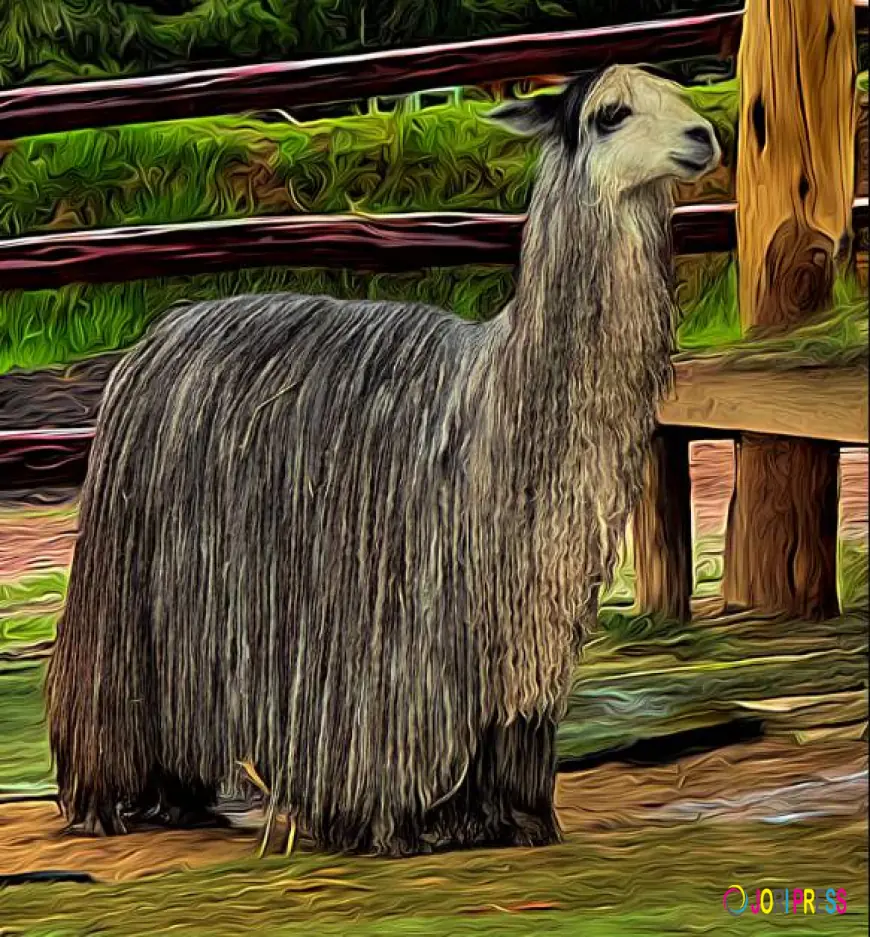
An eye-catching wildlife photo does more than show an animal. It uses color, light, movement, and composition to draw the viewer’s attention. For anyone exploring wildlife photography tips beginners, these visual elements offer a useful starting point. They also show how an animal photograph can become a work of fine art.
Why Do Some Wildlife Photos Catch Your Attention More Than Others?
The animal may be the main subject, but the way it appears in the image makes a difference. Color, contrast, lines, and space all shape what viewers notice.
An engaging animal image often draws attention through:
● Color: Creates mood and contrast.
● Light: Brings out shapes and details.
● Movement: Gives the image a sense of energy.
● Composition: Directs attention toward the animal.
These elements provide a starting point for understanding wildlife photography tips from an artistic perspective.
How Can Light Bring More Character to Animal Photography?
Light changes how an animal and its surroundings appear. It can bring out details, highlight shapes, and influence the mood of an image. Artists also use light to shape the way viewers experience a photograph. When combined with color and space, it can give an animal image a different visual character.
How Does Color Change the Mood of a Wildlife Photo?
Color plays an important role in how an animal image feels. Strong contrasts can make the subject stand out. Balanced tones can create a calmer mood. Digital image development also gives artists room to explore color in new ways. They can adjust and reinterpret the original image to create a distinct artistic effect.
How Can Composition Make an Animal the Focus of Your Image?
Composition means arranging the visual elements within an image. It guides the viewer’s attention and shapes how the scene is experienced.
A few elements can make a difference:
● The animal’s position in the image
● The space around the subject
● Lines and shapes that guide the eye
● The relationship between the animal and its surroundings
Together, these elements give an image a clearer visual structure.
How Can Abstraction Turn an Animal Photograph Into Art?
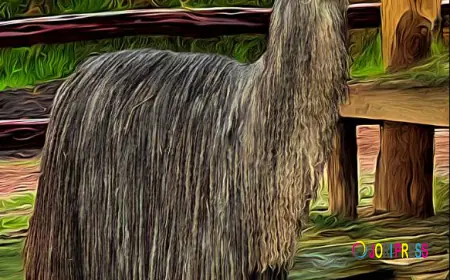
Abstraction means changing how a subject is presented through color, shape, detail, and arrangement. Techspressionism brings technology into artistic expression. An animal photograph can become the starting point for digital changes that explore its shape, movement, and visual character. This approach allows the artist to move beyond a straightforward animal portrait and create a more personal interpretation.
What Can Beginners Learn From Howard Harris's Approach to Animal Imagery?
Howard Harris combines photography, design, and technology to create animal-themed fine art. His work explores color, light, movement, lines, depth, and viewing angles.
His Animals collection features subjects such as:
● Cheetahs
● Monkeys
● Hawks
● Snakes
● Fish
● Lobsters
Each artwork presents an individual interpretation of its subject. This offers another perspective on wildlife photography tips for beginners: an animal photograph can be a starting point for creative expression.
How Does Dimensional Artwork Change the Way You Experience Animal Photography?
Some photographic artworks combine an image infused into a polymer-coated aluminum surface with a separate printed acrylic overlay. Standoffs hold the overlay above the aluminum, creating space between the two image-bearing surfaces.
This layered design adds depth. It also changes how light interacts with the artwork as viewers look at it from different positions.
The best way to hang heavy metal art depends on its construction. A 36 × 30-inch dimensional piece weighs approximately 20–25 pounds. A French cleat is supplied and recommended for stable mounting. The attached wire-and-ring system is intended as a short-term option because of the artwork's weight.
Other formats use different hanging systems:
● Direct-to-aluminum prints: Have a three-quarter-inch black aluminum frame attached to the back and come with a wire-and-ring system.
● Framed Giclée prints: Use a solid wood frame and a supplied hanging wire.
Knowing the artwork's format is an important part of choosing the best way to hang heavy metal art. The hanging system should match the construction and weight of the piece.
Final Words
Learning to notice color, light, composition, movement, and depth can change how beginners approach animal photography. These wildlife photography tips for beginners offer a starting point for seeing beyond the subject and exploring the creative details that make an animal image memorable.
What's Your Reaction?
 Like
0
 Dislike
0
 Love
0
 Funny
0
 Angry
0
 Sad
0
 Wow
0