


































How Can Additives Help Improve Fluid Transportation?
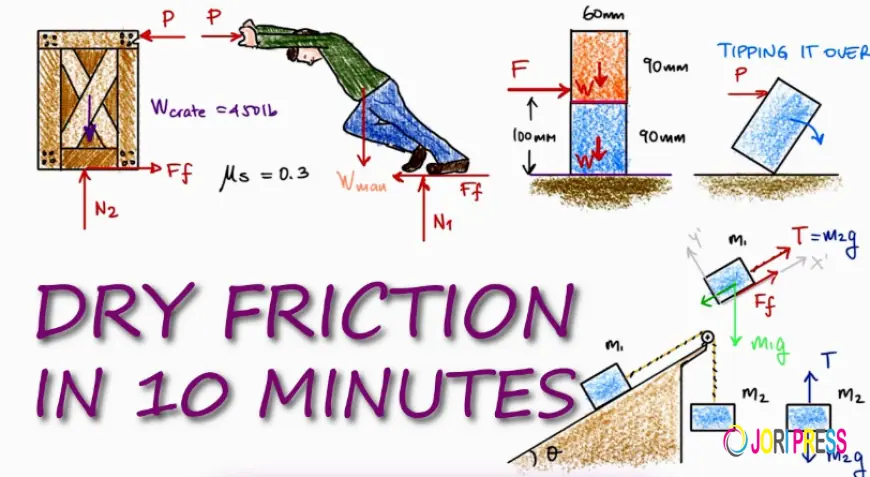
Fluid transportation plays an important role in many industrial operations, particularly in oil and gas production, chemical processing, and pipeline systems. Moving fluids efficiently through pipes can reduce energy consumption, pressure losses, and operating challenges. Products such as FRXD Dry Friction Reducer can help improve fluid flow by reducing resistance within transportation systems. Understanding how additives work can help businesses select suitable solutions for improving pipeline performance and maintaining consistent operations.
Understanding Fluid Transportation Challenges
Fluids do not always move through pipelines smoothly. Friction develops when a fluid comes into contact with the inner surface of a pipe. This resistance can increase the pressure required to maintain a desired flow rate. Long pipelines, narrow passages, high-viscosity fluids, and complex operating conditions can make the problem more significant.
Increased friction can require pumps and other equipment to work harder. This may increase energy consumption and place additional stress on equipment. In some applications, controlling friction is therefore an important part of improving transportation efficiency.
Additives are designed to address specific characteristics of a fluid or transportation system. Depending on their formulation, they can modify flow behavior, reduce friction, control unwanted reactions, or improve overall fluid performance.
How Friction Reducers Work
Friction reducers are additives used to lower resistance between a moving fluid and the pipeline environment. When friction is reduced, the system may require less pressure to move the same amount of fluid. This can support smoother transportation and improve operational efficiency.
Some friction-reducing additives work by influencing the interaction between fluid molecules and the pipe surface. Others can alter flow characteristics under specific operating conditions. The effectiveness of an additive depends on factors such as fluid composition, temperature, pressure, flow rate, and pipeline design.
Dry friction reducers can offer practical handling advantages in applications where a concentrated additive is preferred. Their use can also simplify transportation and storage compared with certain liquid formulations.
Reducing Pressure Requirements
One of the key benefits of friction-reducing additives is their potential to lower pressure losses during transportation. As fluid travels through a pipeline, energy is gradually lost because of friction. This loss must be overcome through pumping or pressure management.
Reducing friction can help maintain the desired flow rate without requiring the same level of pressure. In suitable applications, this may contribute to lower energy requirements and more efficient equipment operation.
However, additives should be selected based on actual system conditions. A product that performs well in one pipeline may not provide the same results in another. Laboratory testing and field evaluation can help determine whether a specific additive is appropriate.
Supporting Higher Flow Rates
Pipeline operators may sometimes need to increase fluid throughput without making major changes to existing infrastructure. Friction-reducing additives can be one option for supporting this objective.
When resistance inside a pipeline is reduced, more fluid may be transported using available pressure capacity. This can help operators make better use of existing equipment and pipeline infrastructure.
Higher flow rates can be particularly important in operations where production volumes change over time. Instead of immediately investing in larger pipelines or additional pumping equipment, operators can evaluate chemical treatment as one part of their optimization strategy.
Improving Pumping Efficiency
Pumps provide the energy required to move fluids through many transportation systems. Excessive friction can increase the workload placed on these machines. Continuous operation under demanding conditions may contribute to increased energy use and equipment wear.
By reducing flow resistance, friction-reducing additives can help create more favorable pumping conditions. This may allow pumping systems to operate more efficiently while maintaining the required fluid movement.
Proper monitoring remains important. Operators should evaluate pressure, flow rate, temperature, and other relevant indicators before and after introducing an additive. These measurements can help determine whether the treatment is providing meaningful operational benefits.
Benefits for Oil and Gas Applications
The oil and gas industry frequently transports fluids over significant distances. Crude oil, produced water, fracturing fluids, and other specialized fluids can present different transportation challenges.
Friction reducers are commonly considered in applications where pressure management and flow efficiency are important. Their effectiveness can depend on the properties of the fluid and the characteristics of the pipeline or well system.
For example, fluids used during hydraulic fracturing may need to move at high rates and pressures. Friction-reducing additives can help manage resistance during pumping, potentially supporting more efficient fluid delivery.
Improving Operational Consistency
Additives can also contribute to more consistent transportation performance. Changes in temperature, fluid composition, and operating conditions can influence viscosity and flow behavior. A properly selected additive can help manage some of these variations.
Consistent performance is valuable because unexpected pressure changes or flow restrictions can interrupt industrial processes. Preventing unnecessary transportation problems can support better scheduling and reduce operational disruptions.
Still, additives should not be viewed as a universal solution. Pipeline design, pump selection, maintenance, fluid quality, and operating procedures all influence transportation performance.
Choosing the Right Additive
Selecting an additive requires careful consideration of the application. Operators should evaluate the type of fluid being transported, pipeline material, operating temperature, pressure, flow rate, and treatment concentration.
Compatibility is also important. An additive should work effectively with the fluid and other chemicals already present in the system. Poor compatibility can reduce performance or create unwanted operational issues.
Testing can provide useful information before large-scale implementation. Small-scale laboratory evaluations can help identify suitable concentrations and assess how the additive behaves under expected conditions.
Monitoring Results After Application
Once an additive is introduced, performance should be measured rather than assumed. Operators can compare pressure requirements, flow rates, pump performance, and energy consumption before and after treatment.
Monitoring can also reveal whether the treatment concentration needs adjustment. Changes in fluid properties or operating conditions may affect additive performance over time.
Regular evaluation allows businesses to make informed decisions about chemical treatment and avoid unnecessary product use.
Conclusion
Additives can play an important role in improving fluid transportation by reducing friction, managing pressure losses, supporting higher flow rates, and improving pumping efficiency. Products such as FRXD Dry Friction Reducer may provide useful solutions for applications where controlling flow resistance is a priority. However, successful results depend on proper product selection, compatibility testing, correct application, and ongoing performance monitoring. By combining suitable additives with effective pipeline design and maintenance practices, industrial operators can work toward more efficient and reliable fluid transportation.
What's Your Reaction?
 Like
0
Like
0
 Dislike
0
Dislike
0
 Love
0
Love
0
 Funny
0
Funny
0
 Angry
0
Angry
0
 Sad
0
Sad
0
 Wow
0
Wow
0