


































How 3D Laser Scanning Eliminates Costly Errors in Building Renovation Projects

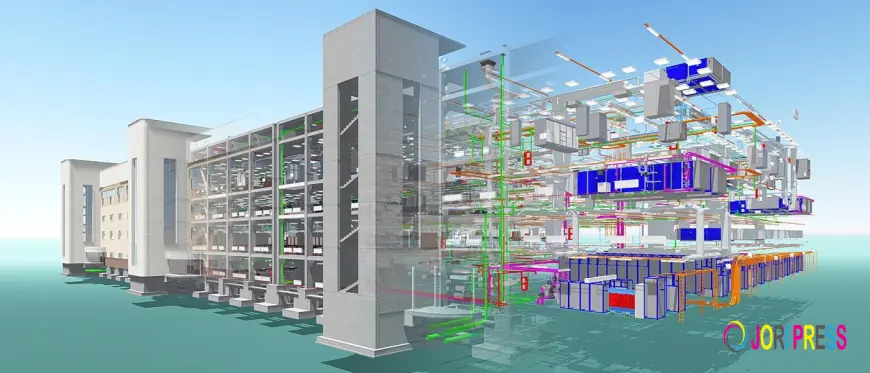
Building renovation projects often begin with a challenge that can affect every phase of the project: inaccurate or outdated information about existing conditions. When drawings no longer reflect the actual structure or when measurements are collected manually, project teams risk encountering errors that lead to delays, rework, and increased costs.
This is where 3D laser scanning has become an essential technology for renovation and retrofit projects. By capturing highly accurate site data, project stakeholders can make informed decisions based on the actual conditions of a building rather than assumptions or outdated documentation.
The Challenge of Renovating Existing Buildings
Unlike new construction projects, renovation projects require teams to work within existing structures. Over time, buildings may undergo modifications that are not reflected in available drawings. Mechanical systems may have been altered, walls may have shifted, or structural elements may differ from original plans.
Without reliable information, architects, engineers, contractors, and facility managers may face unexpected issues during design and construction phases. These challenges often result in design revisions, construction conflicts, and costly project delays.
Accurate existing-condition data is therefore critical for successful renovation planning.
What Is 3D Laser Scanning?
3D laser scanning is a reality capture technology that collects millions of precise measurements from a physical environment. The captured data creates a detailed digital representation of the site, commonly known as a point cloud.
The point cloud provides a highly accurate record of existing conditions and serves as the foundation for engineering, architectural, and BIM workflows.
For renovation projects, this means project teams can work with dependable site information before design development begins.
Improving Accuracy Through Reality Capture
One of the most significant advantages of 3D laser scanning is the ability to capture complex building environments with a high level of detail.
Traditional measurement methods may require multiple site visits and manual documentation. In contrast, laser scanning captures extensive information efficiently, creating a comprehensive digital record of the structure.
This accurate representation helps reduce the possibility of measurement discrepancies and design assumptions that can lead to errors later in the project lifecycle.
Supporting Reliable As-Built Documentation
Many renovation projects depend on accurate as-built documentation. However, existing drawings are often incomplete or outdated.
3D laser scanning enables the creation of current as-built documentation based on actual site conditions. Architects, engineers, and project teams can use this information to develop renovation plans with greater confidence.
Accurate as-built data helps improve coordination among stakeholders and minimizes the risk of design conflicts during project execution.
Enabling Effective Scan-to-BIM Workflows
Building Information Modeling (BIM) plays an important role in modern renovation projects. Laser scanning provides the accurate point cloud data needed to support Scan-to-BIM processes.
By converting captured site data into BIM models, project teams gain a reliable digital representation of the existing facility. These models can support planning, design coordination, engineering analysis, and project management activities.
Having a dependable BIM model based on real-world conditions helps reduce uncertainty throughout the renovation process.
Reducing Rework and Project Delays
Construction rework is often caused by unexpected site conditions discovered after work has already begun. When design decisions are based on incomplete information, revisions become more likely.
With accurate digital site data available from the beginning, project teams can identify potential challenges earlier in the planning stage. This improved visibility supports better coordination between architectural, structural, and MEP disciplines.
As a result, teams can reduce avoidable rework and improve project efficiency.
Benefits for Multiple Stakeholders
3D laser scanning provides value across the entire renovation project team:
Architects
Access accurate building information for renovation and redesign planning.
Engineers
Utilize precise site data to support engineering assessments and coordination.
Contractors
Improve construction planning and reduce uncertainties during execution.
BIM Professionals
Develop reliable models using accurate point cloud data.
Facility Managers
Maintain comprehensive digital records of existing assets and facilities.
The Future of Renovation Projects
As renovation, retrofit, and facility modernization projects continue to grow, the demand for accurate site information will become increasingly important. Digital workflows that begin with reality capture help project teams make better decisions and improve collaboration across all project stages.
3D laser scanning provides the foundation for these workflows by delivering accurate site data that supports documentation, design, and BIM development.
Conclusion
Successful building renovation projects depend on accurate information. By capturing precise existing-condition data, 3D laser scanning helps reduce errors, improve documentation quality, support Scan-to-BIM workflows, and enhance project coordination.
Organizations seeking reliable reality capture, point cloud processing, and Scan-to-BIM solutions can benefit from the expertise offered by Conserve Technical Services LLC. With advanced 3D laser scanning capabilities, project teams can gain the accurate building information needed to support efficient renovation and modernization projects.
What's Your Reaction?
 Like
0
Like
0
 Dislike
0
Dislike
0
 Love
0
Love
0
 Funny
0
Funny
0
 Angry
0
Angry
0
 Sad
0
Sad
0
 Wow
0
Wow
0